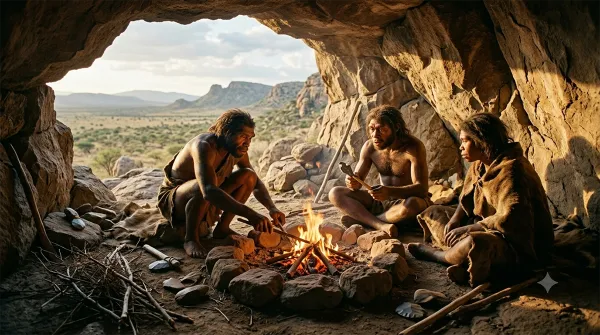
c. 1,000,000 BCHistory
The Discovery of Fire: How Humans Tamed the Flame
Before cities, before farming, before language as we know it, one species learned to hold lightning in its hands. Everything changed.
All turning moments, from ancient history to the latest breakthroughs, plotted in order
When Civilization First Learned to Dream
Before cities, before farming, before language as we know it, one species learned to hold lightning in its hands. Everything changed.
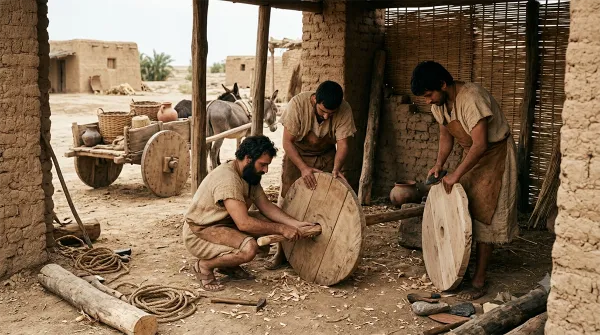
A simple disc of wood seems obvious now. But for most of human existence it didn't exist and once it appeared, nothing could move the same way again.
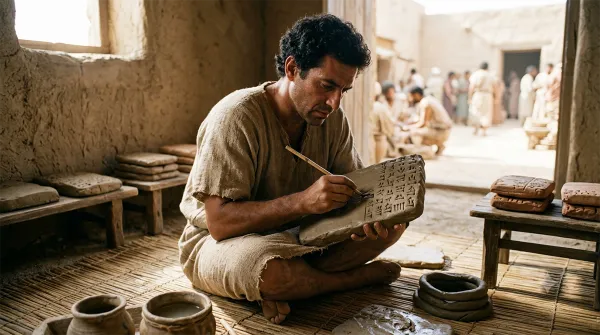
Memory fades. Voices die. But around 3200 BC, someone pressed signs into clay and suddenly human thought could survive its speaker.
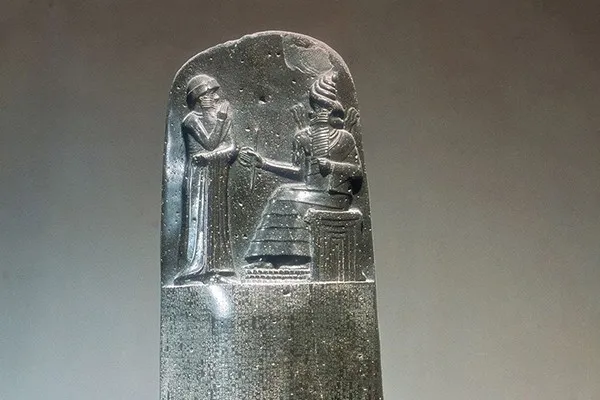
c. 1754 BCE. A Babylonian king carved 282 laws into a stone pillar for all to see. It was one of the first times a society said: the rules apply to everyone.
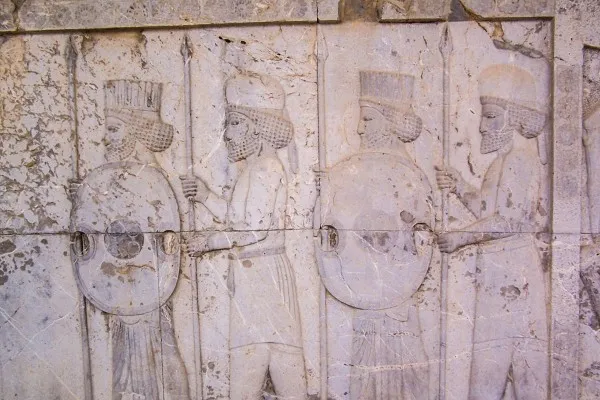
c. 550 BCE. A Persian noble named Cyrus conquered the greatest empire of the age in a single campaign, and chose mercy over massacre. An empire was born.
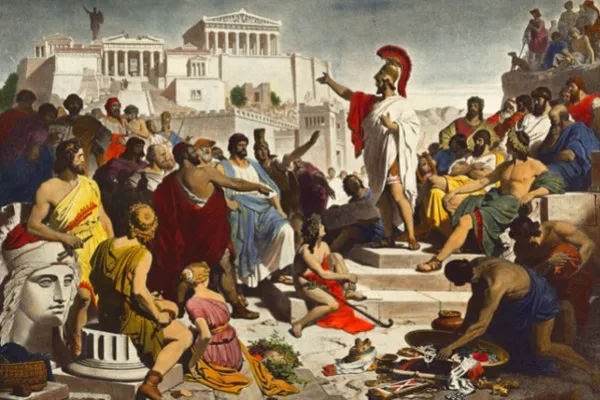
508 BCE. A clever reformer named Cleisthenes restructured Athens not by birth or wealth, but by where people lived. The word 'democracy' was about to be invented.
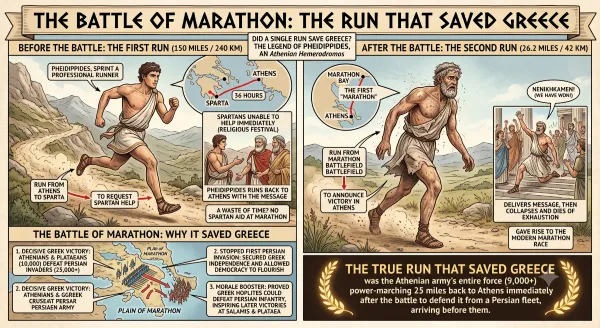
A small citizen army of Athenians met the might of Persia on a coastal plain and proved that free men could break an empire.
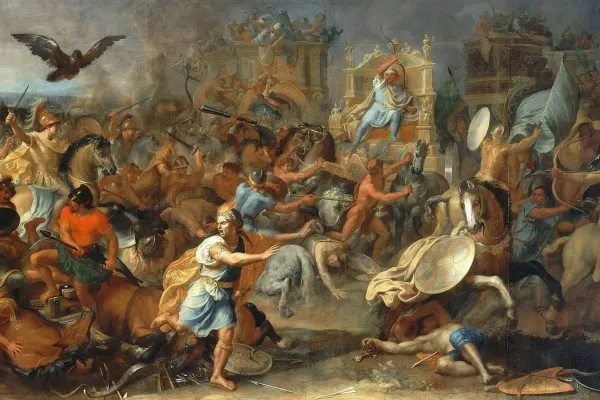
480 BCE. Three hundred Spartans held a mountain pass against an army of millions. They lost, but their stand became the most famous last stand in history.
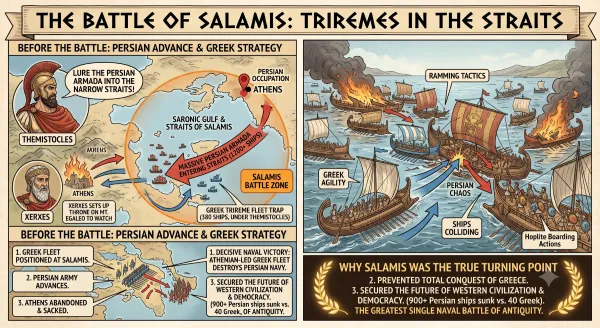
Trapped and outnumbered, the Greeks lured the Persian fleet into a narrow strait and destroyed it with a trap of their own making.
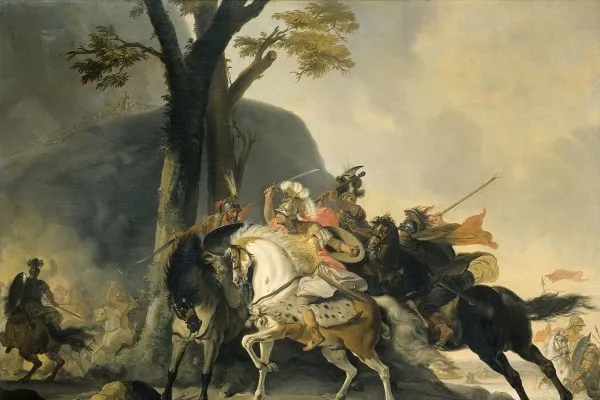
334 BCE. A 22-year-old king led 35,000 men across the Hellespont into Persia. He would not return for a decade, and the known world would never be the same.
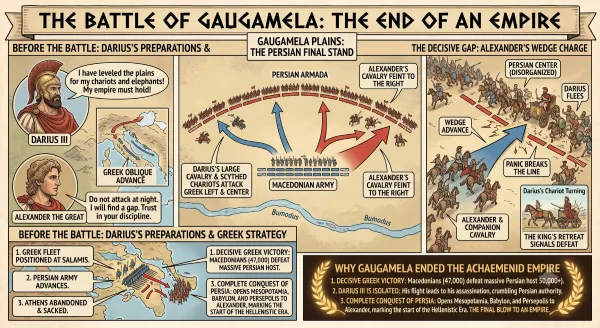
A 20-year-old Macedonian king faced the largest army the world had seen and with a single cavalry charge, ended Persia forever.
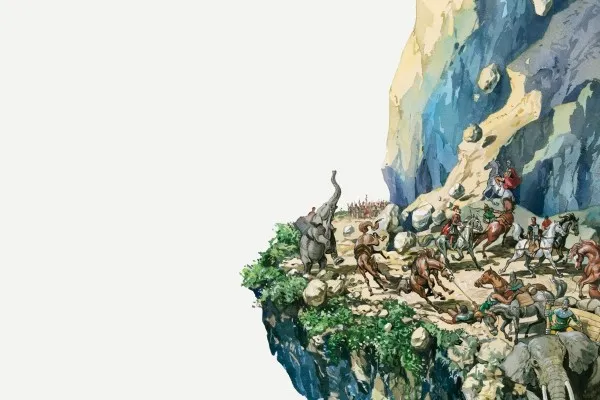
218 BCE. A Carthaginian general led war elephants over the frozen Alps to strike Rome from behind. It remains the most audacious military march in history.
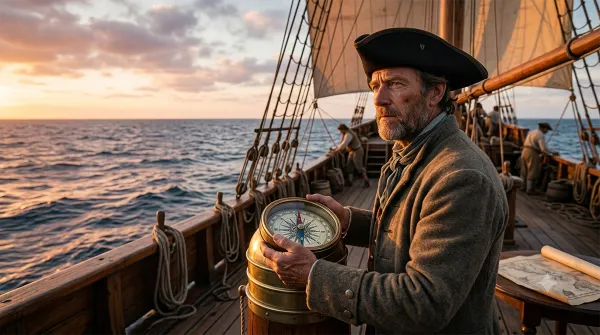
For most of history, travelers trusted the sun, the stars, and prayer. Then a floating lodestone needle pointed north and the world became mapable.
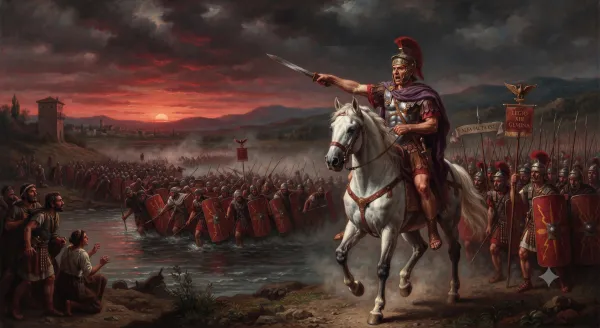
When Julius Caesar led his legions across a small Italian river, he committed treason and started a civil war that ended the Roman Republic.
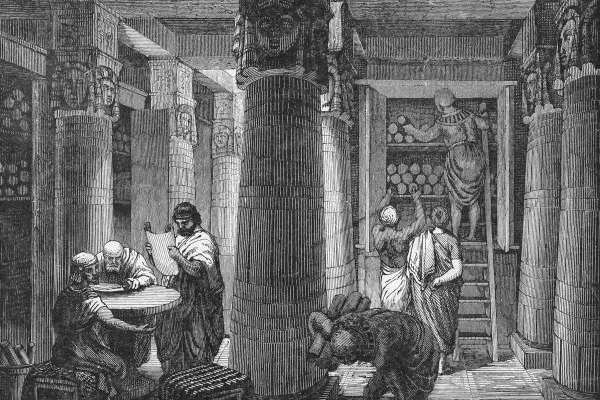
For centuries, the greatest library on Earth held the collected knowledge of humanity. Then fire, war, and time erased most of it forever.
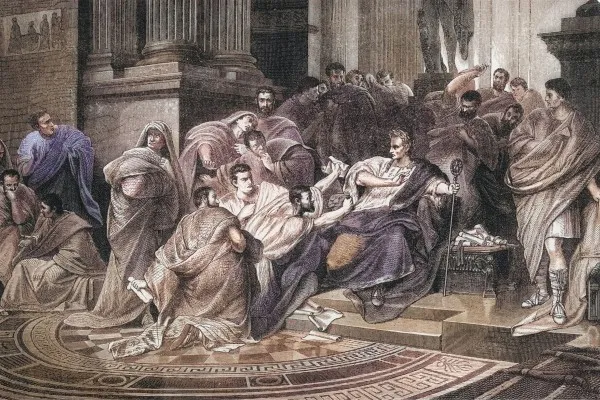
March 15, 44 BCE. The most powerful man in Rome walked into the Senate expecting tribute. He left dead on the floor, stabbed 23 times by men he called friends.
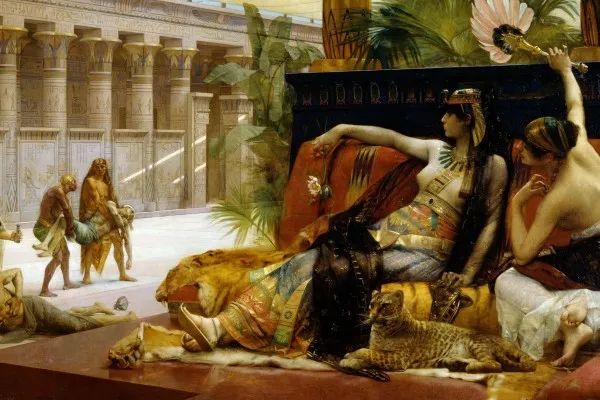
30 BCE. The last pharaoh of Egypt, defeated and alone, chose how she would die. Her decision ended 3,000 years of pharaohs and turned her into a legend.

In the 1960s, experts warned that billions would starve. Then a quiet alliance of science and seed changed the math on hunger.
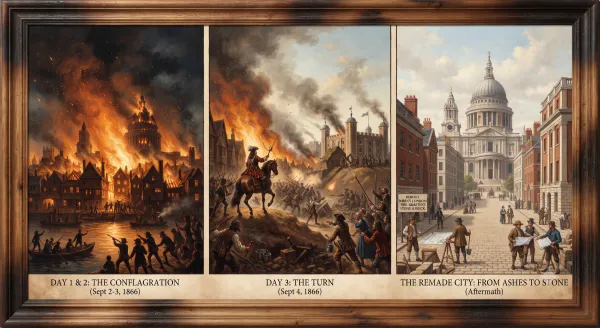
A bakery oven on Pudding Lane sparked a blaze that swallowed medieval London and cleared the way for the city we know.
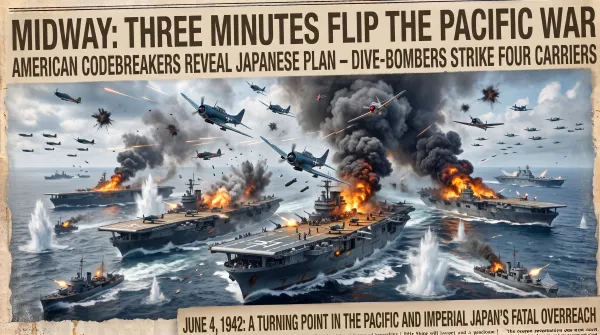
Because American codebreakers knew the plan, three minutes of dive-bomber strikes sank four Japanese carriers and flipped the Pacific War.
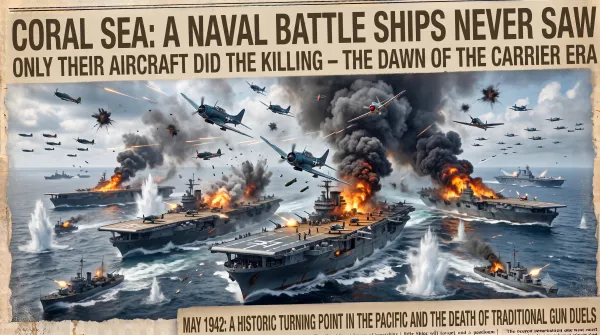
In May 1942, two fleets fought a naval battle in which the ships never saw each other only their aircraft did the killing.
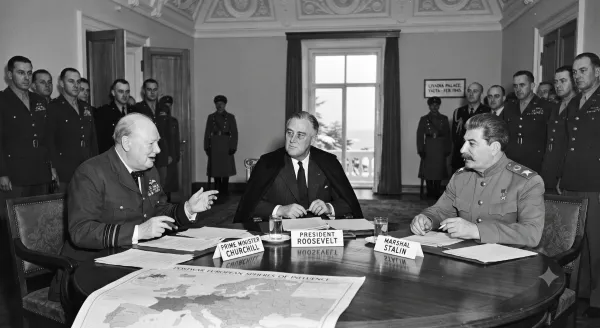
In a Crimean palace, the 'Big Three' carved up the coming peace and planted the seeds of the Cold War.
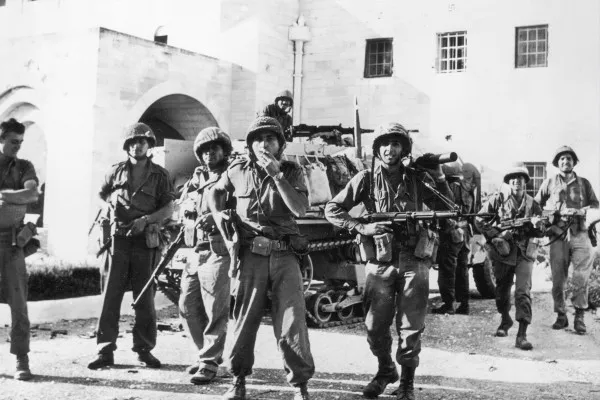
June 1967. In less than a week, Israel fought three Arab armies and redrew the Middle East. The map has not been the same since.
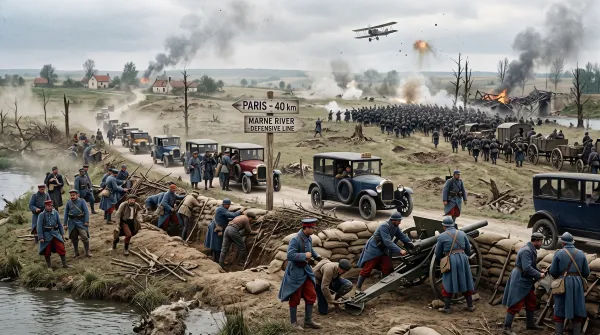
A week of desperately improvised defense in September 1914 halted the German dash for Paris and ruined the Schlieffen Plan for a quick victory.
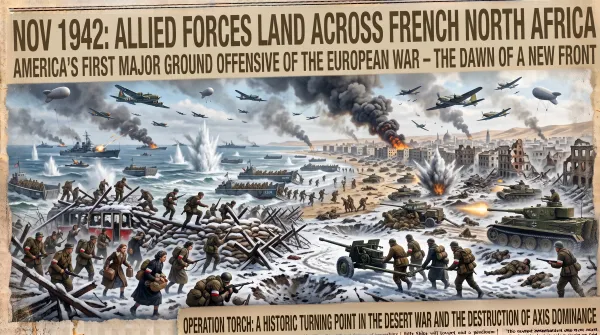
In November 1942, Allied forces landed across French North Africa America's first major ground offensive of the European war.
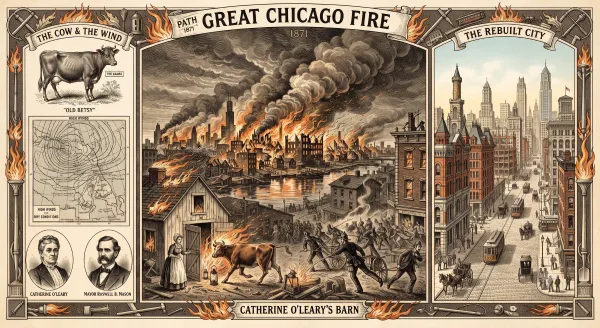
In two days, a fire erased a booming frontier city and legend blamed a cow, while Chicago blamed its own wooden sprawl.
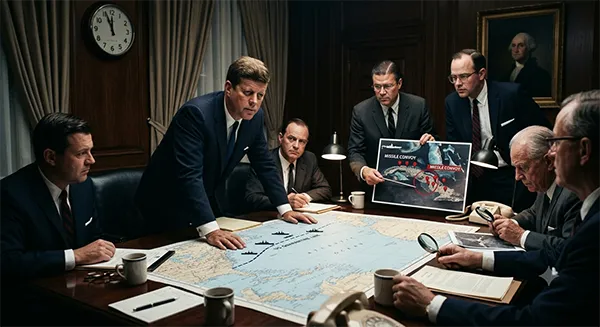
October 1962. Two letters arrived from Moscow. One threatened war. One offered peace. Kennedy chose which one to answer.
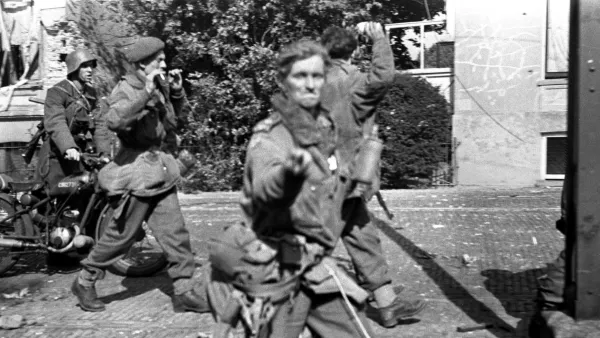
An audacious plan to end the war by Christmas collapsed at a single bridge in Arnhem a gamble that fell just short.
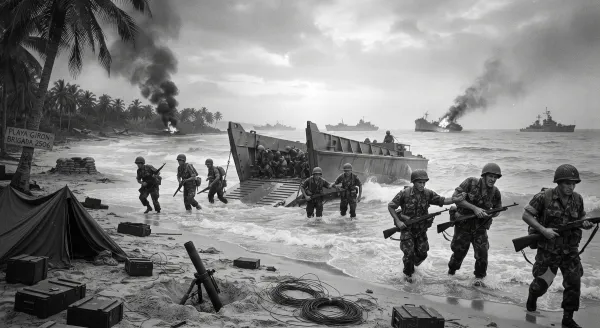
A CIA-trained exile force landed on Cuba to topple Castro and collapsed in 72 hours, humiliating a superpower.
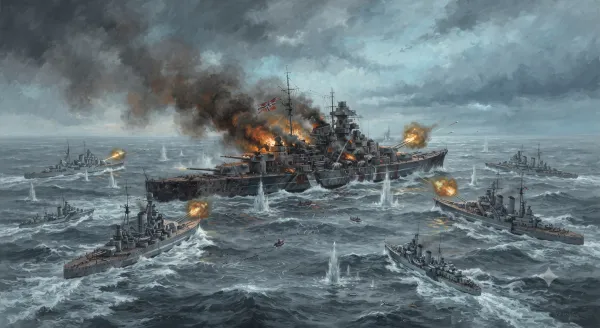
The pride of the German navy sank a battleship and slipped into the Atlantic then the world's navies hunted it without rest until it went down.
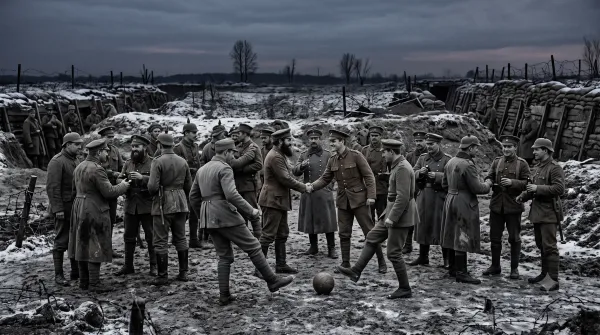
On Christmas Eve 1914, enemy soldiers climbed out of the trenches, shook hands in No Man's Land, and kicked a football across the frozen mud of Flanders.
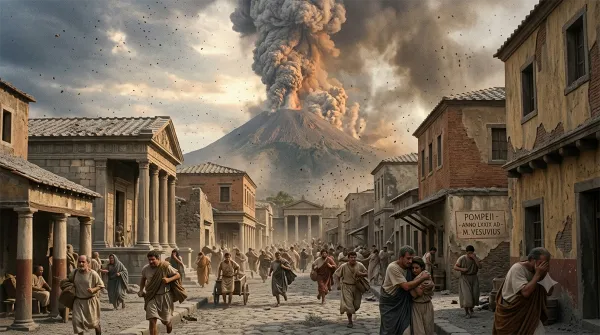
August 79 AD. Mount Vesuvius erupted without warning and buried two Roman towns under meters of ash, preserving a snapshot of ordinary life for nearly two thousand years.
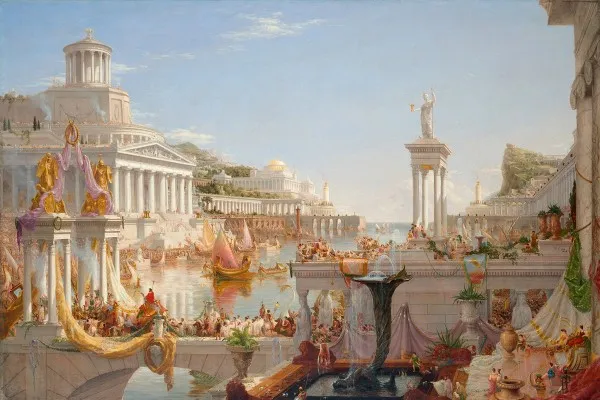
September 4, 476 CE. A Germanic warrior deposed the last Roman emperor in the West. The empire that ruled the known world for centuries ended not with a bang, but with a quiet surrender.
Faith, Plague, and the Rebirth of Wonder
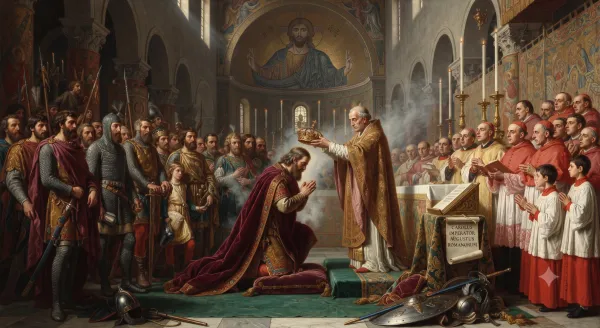
On Christmas Day in Rome, a Frankish king was crowned Emperor by the pope reviving the idea of a Western Roman Empire.
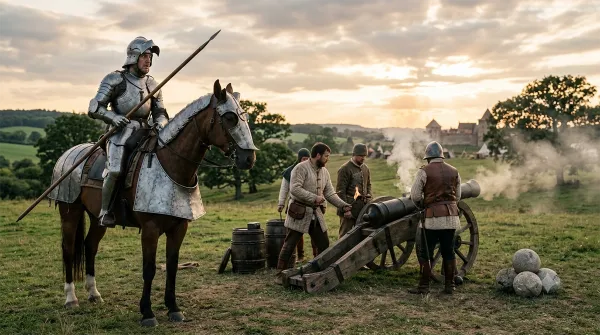
A Chinese alchemist hunting for eternal life mixed saltpetre, sulfur, and charcoal. He found something far more powerful and far more destructive.
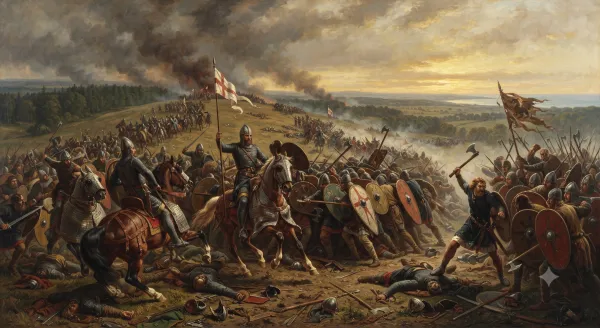
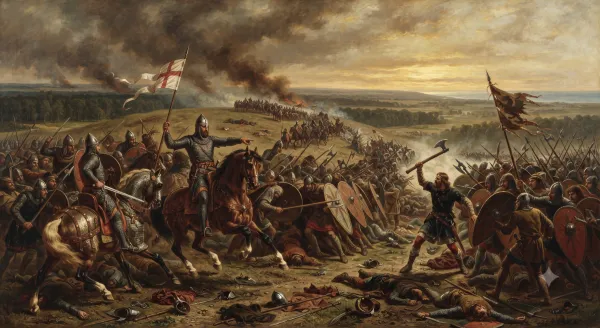
On a hill in Sussex, an arrow and a broken shield wall decided who would rule England for the next 300 years.
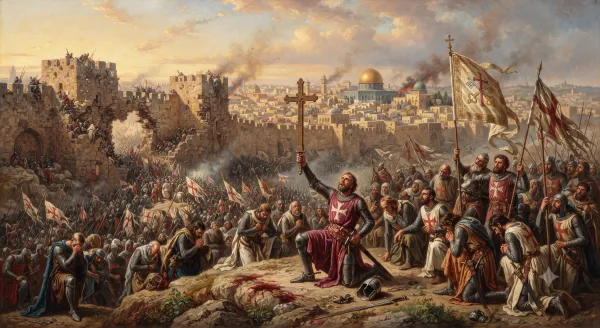
Thousands answered a pope's call to reclaim the Holy Land and after years of blood, took Jerusalem in a frenzy.
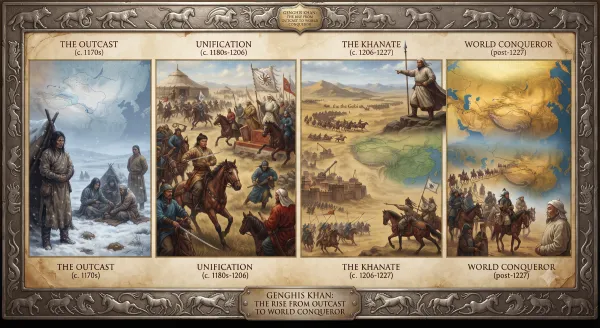
A orphaned steppe boy united the warring nomad tribes and forged the largest contiguous empire the world has ever known.
In a meadow by the Thames, rebellious barons forced a tyrant to sign a document that became the seed of liberty.
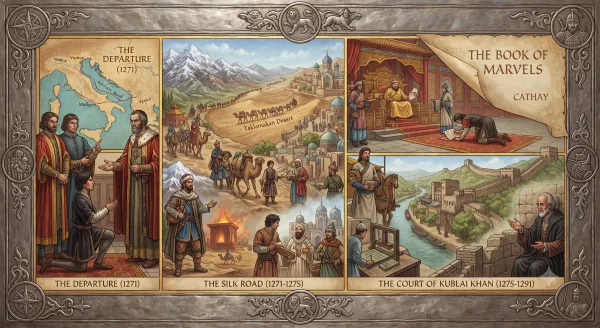
A Venetian teenager traveled to the court of Kublai Khan and returned with tales that would fire Europe's imagination for centuries.
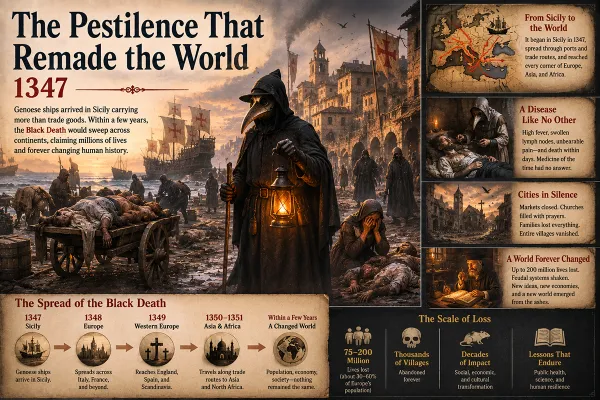
1347. Genoese ships arrived in Sicily carrying more than trade goods. Within a few years, a bubonic plague had killed perhaps half of Europe's population and ended the world as the Middle Ages knew it.
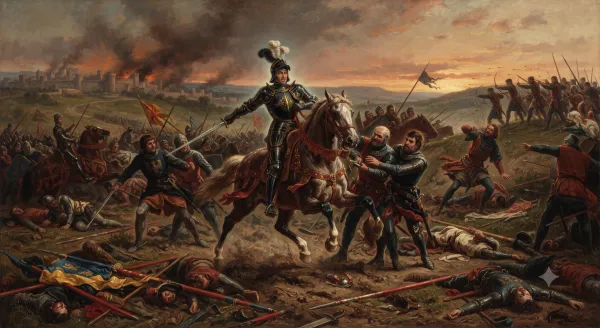
A 26-year-old English prince routed a French army many times his size and captured the king of France.
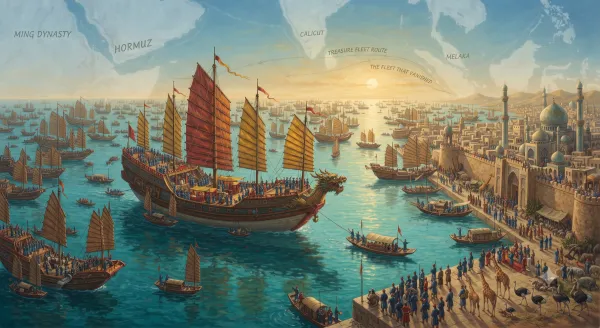
Decades before Europe's explorers, a Chinese admiral sailed giant treasure ships across the oceans then the voyages were forbidden and forgotten.
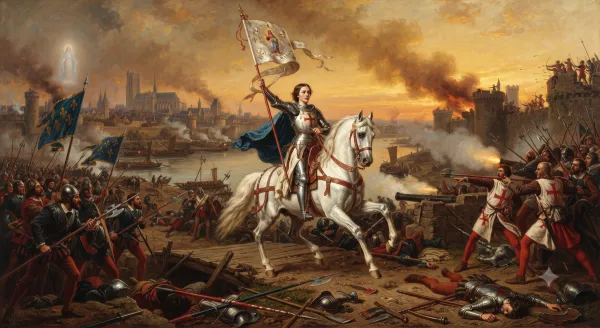
A teenage peasant girl, claiming divine guidance, lifted a siege and turned the tide of the Hundred Years' War.

In 1450, a single book took a monk months to copy. Then Johannes Gutenberg built a machine that could print thousands and the monopoly on knowledge shattered.
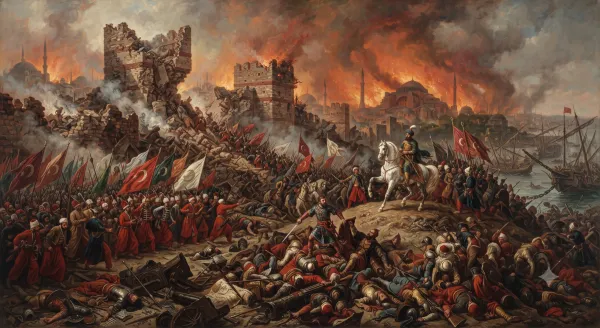
After a thousand years, the last remnant of Rome fell to the Ottoman cannon and the medieval world closed for good.
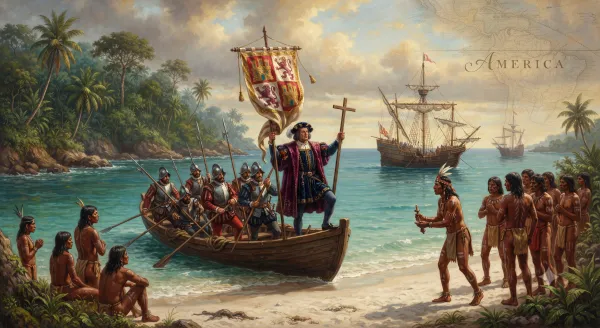
Sailing west to reach the East, an Italian navigator found a world no European knew existed and changed everything.
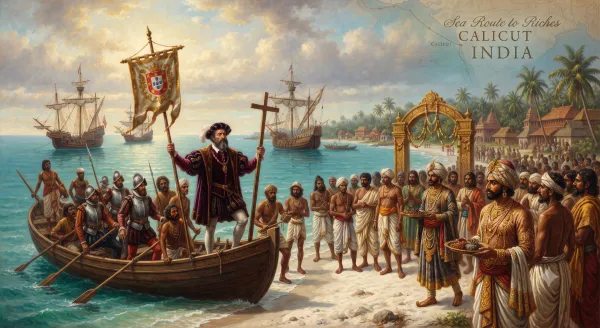
A Portuguese captain rounded Africa and sailed to India, opening a direct sea road to the spice trade that reshaped the world.
When Empires Fell and Nations Rose
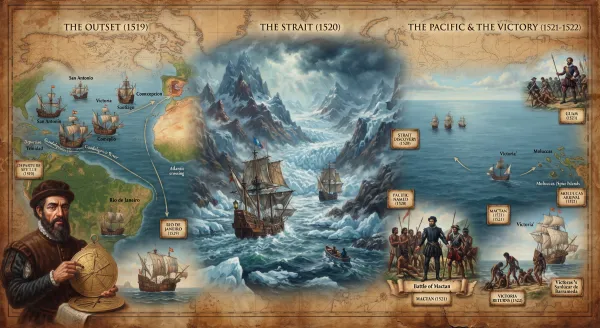
A Spanish expedition set out to circle the globe and proved, at terrible cost, that the Earth was one connected ocean.
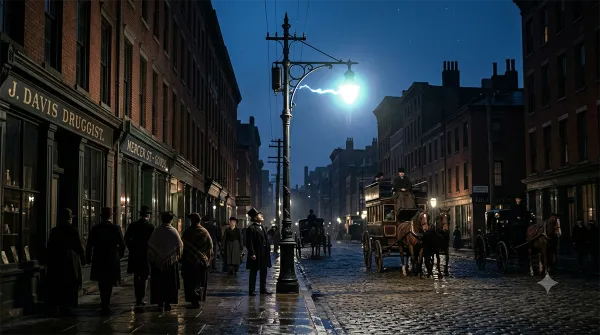
It sparked in storms and tingled in amber for two thousand years. Then humans learned to make it flow on command and powered the modern age.

A fallen apple. A young scholar in isolation. In a single year of plague, Isaac Newton rewrote the rules of the universe and we've been living under them ever since.
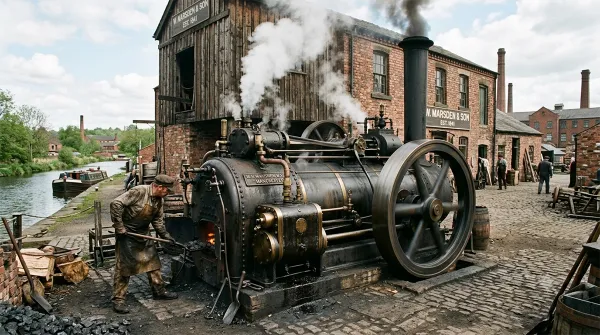
For millennia, power meant a back, a beast, or a breeze. Then a piston learned to drink boiling water and the modern world roared to life.
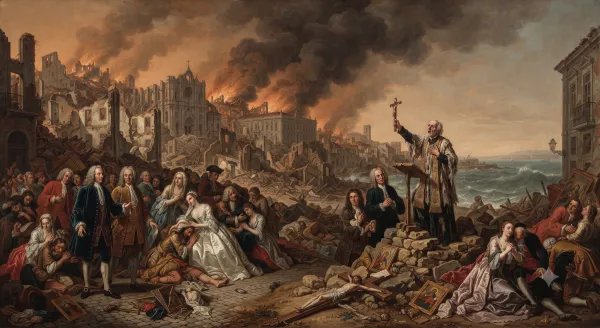
On a Sunday morning, a quake, a tsunami, and fires destroyed Lisbon and forced Europe to rethink the world and its maker.
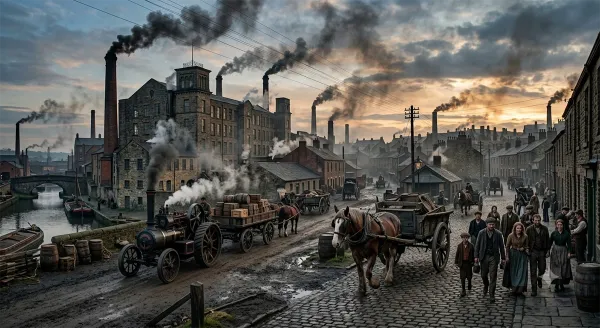
In a single generation, humans stopped relying on the strength of their backs and started harnessing coal, iron, and machines. Nothing was ever the same.
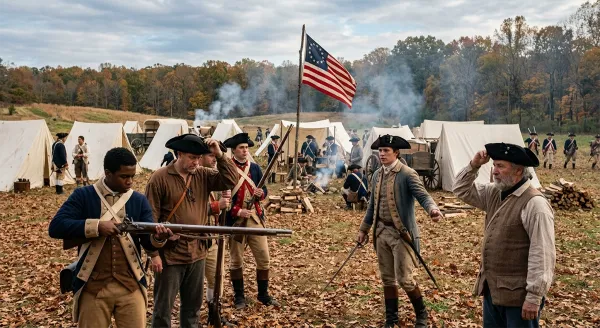
April 19, 1775. A ragtag militia faced the world's strongest army on a Massachusetts green and a rebellion that would birth a superpower began.
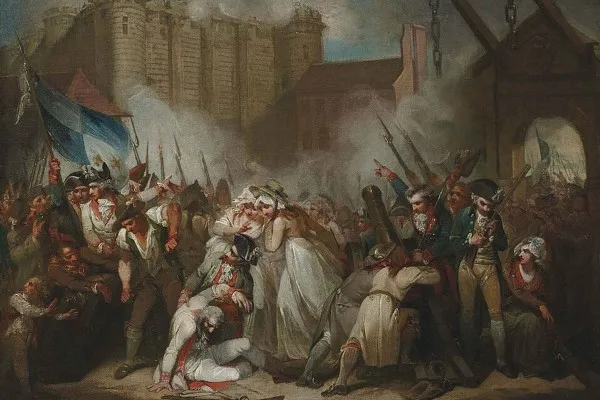
July 14, 1789. A Parisian mob stormed a medieval fortress looking for gunpowder and accidentally ignited the modern age.
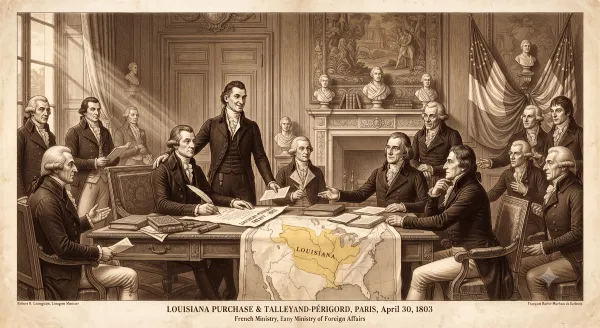
For about three cents an acre, the United States bought a continent's worth of land and set its course to the Pacific.
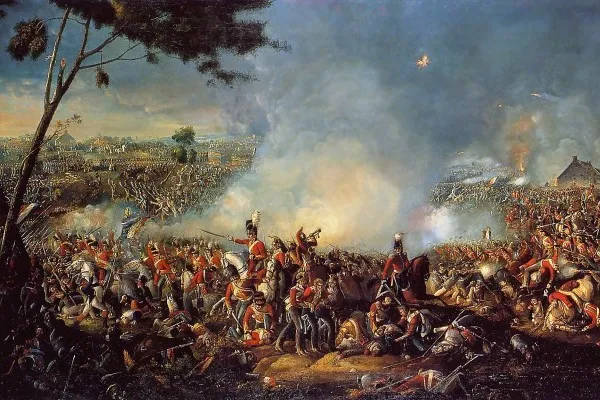
June 18, 1815. One rainy Sunday in Belgium ended the career of history's most famous conqueror and redrew the map of Europe for a century.
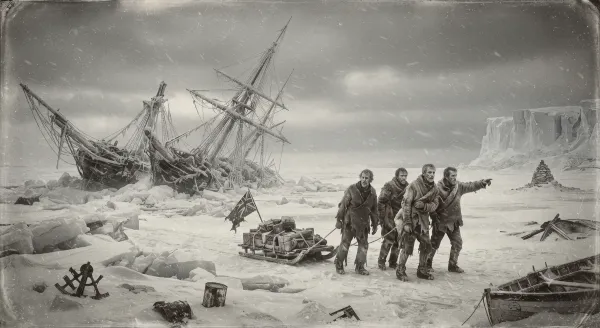
Two ships sailed into the Canadian Arctic in search of a passage and vanished launching the most famous search in exploration history.
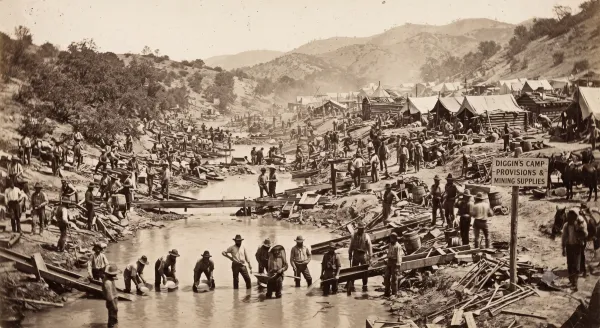
A glint in a millrace in 1848 drew hundreds of thousands west in the fastest mass migration in American history.
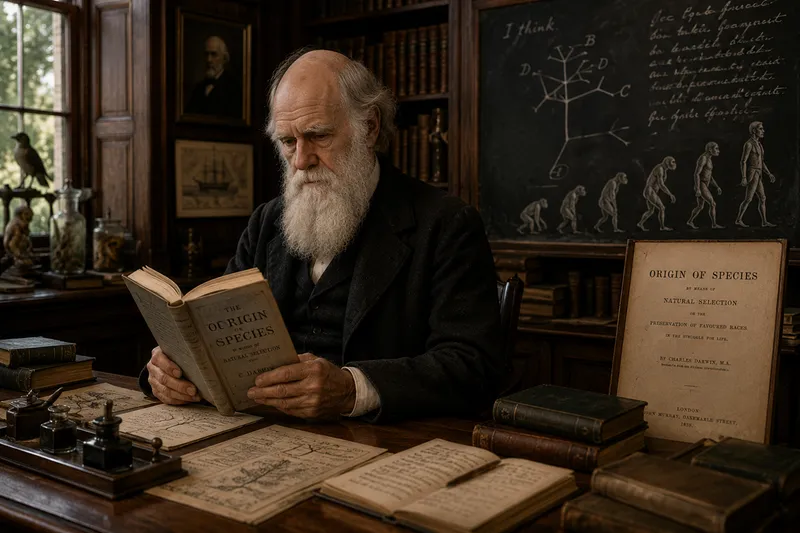
After 20 years of silence, a shy naturalist published a single book that explained where every living thing comes from and changed how humanity sees itself forever.
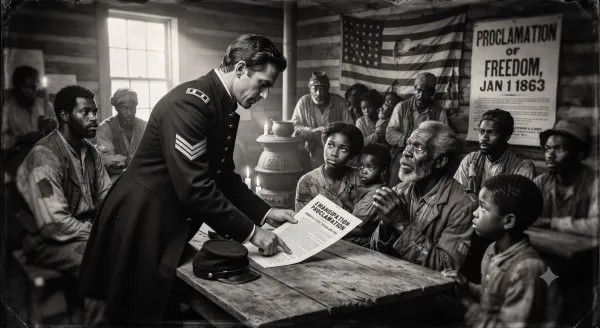
Midway through a bloody war, a president declared millions of enslaved people free and changed the meaning of the conflict.
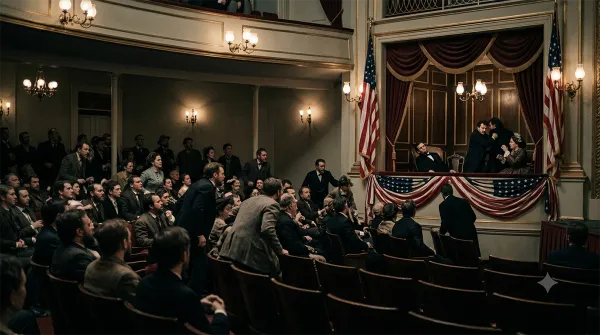
April 14, 1865. Five days after the Civil War ended, Abraham Lincoln watched a comedy at Ford's Theatre. A famous actor slipped into the box behind him and fired one bullet.
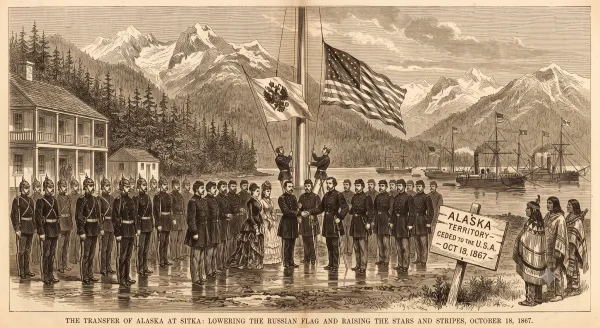
The U.S. bought a frozen wilderness from Russia for two cents an acre and was widely mocked for buying a 'refrigerator.'
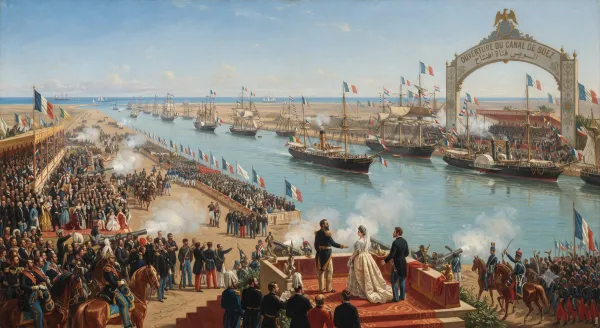
After a decade of digging, a man-made waterway joined the Mediterranean and the Red Sea and shrank the world by weeks of sailing.
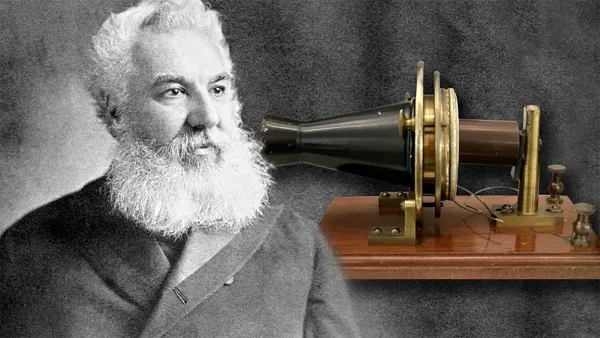
For all of history, a voice died at the edge of hearing. Then Alexander Graham Bell sent one down a wire and distance lost its grip on conversation.
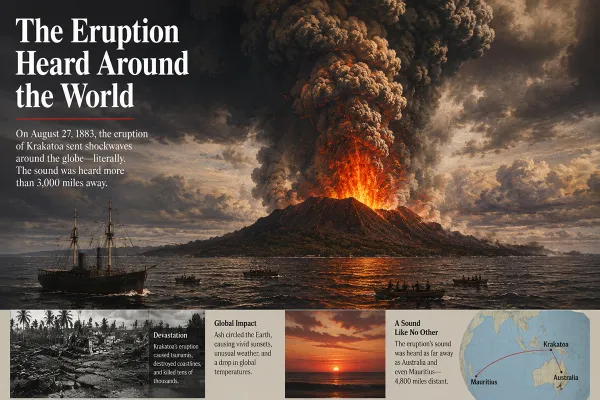
August 27, 1883. A small island volcano between Java and Sumatra detonated with a blast heard 3,000 miles away, and the sea rose to swallow hundreds of villages.
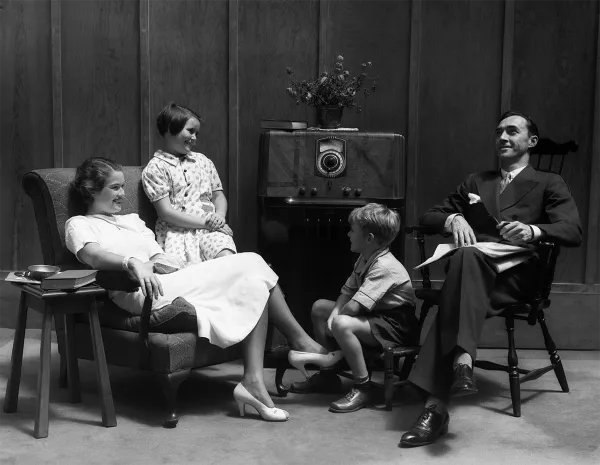
For the first time in history, a single voice could enter millions of homes simultaneously no wire, no paper, no delay. The broadcast age began.
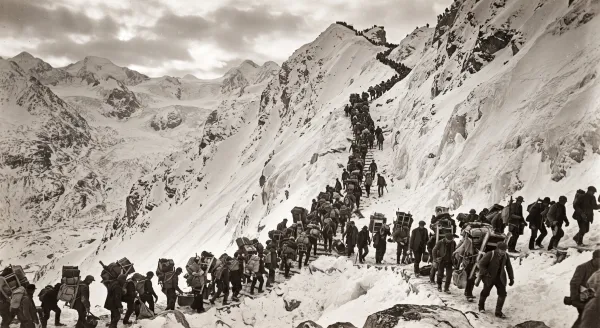
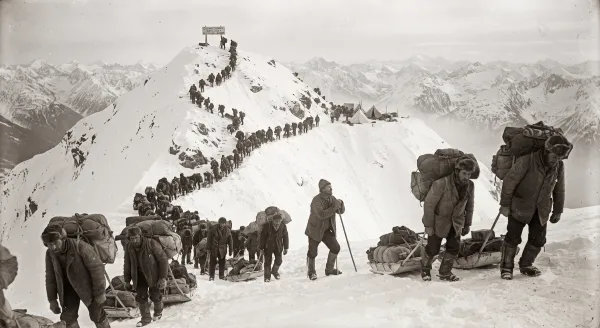
When gold was found near the Yukon, a hundred thousand dreamers braved ice and mountain passes for a chance at fortune.
The Century That Rewrote Everything
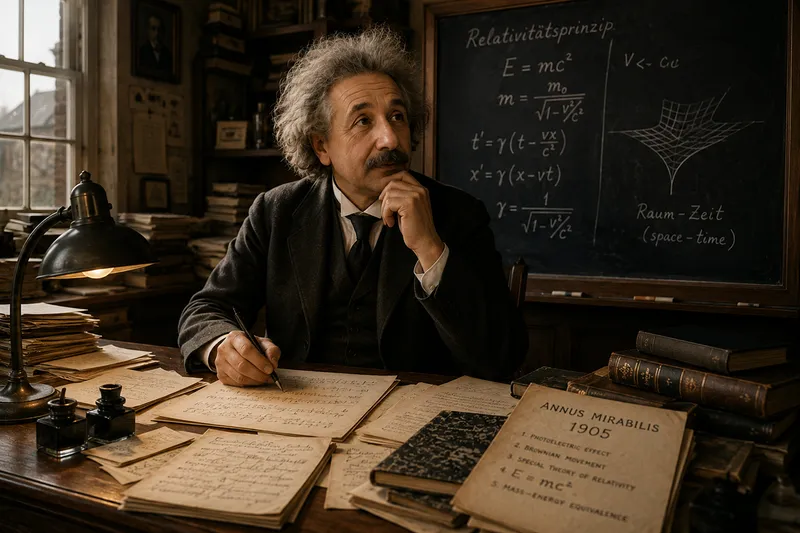
In 1905, a 26-year-old patent clerk with no university job published four papers that shattered Newton's universe. One of them said time itself is not absolute.
Before dawn, the ground ripped open and the city burned for three days a disaster that rebuilt San Francisco in steel.
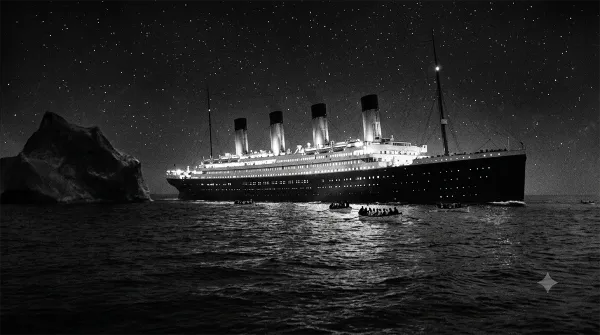
April 15, 1912. The largest, most luxurious ship ever built struck an iceberg on its maiden voyage and disappeared in under three hours, taking 1,500 lives and the era's faith in progress with it.
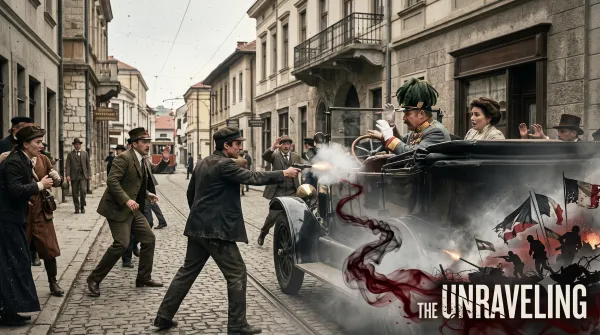
One bullet fired by a 19-year-old in Sarajevo on a summer morning in 1914 unspooled into the deadliest conflict humanity had ever known.
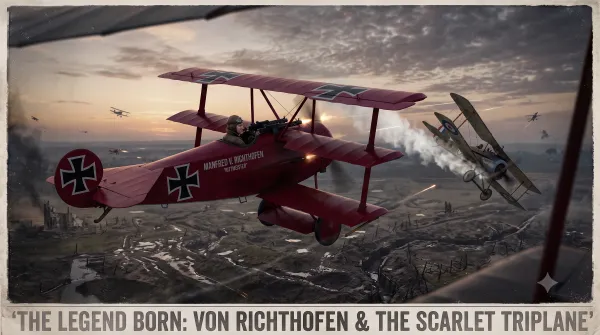
A scarlet-painted triplane and a man named Manfred von Richthofen turned aerial combat from reconnaissance into legend.
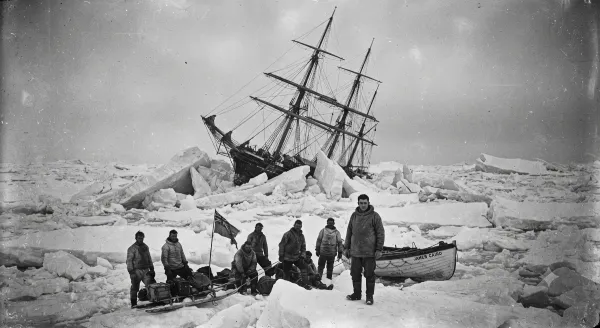
Ernest Shackleton's ship was crushed by ice, yet every one of his 27 men came home the greatest survival story ever told.
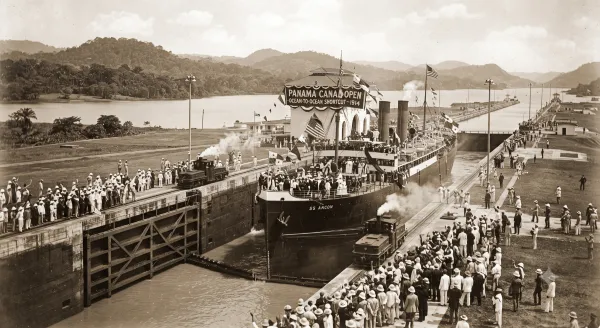
After disease, disaster, and a change of continents, the world's great canal finally linked the Atlantic and Pacific by locks.
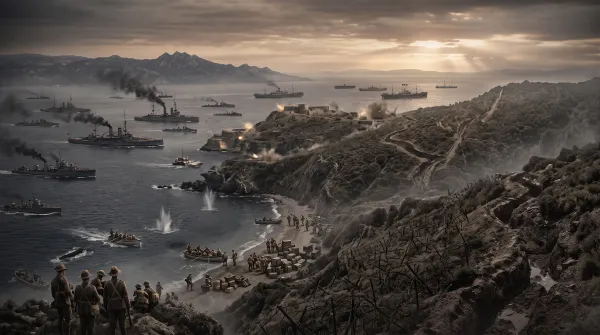
An ambitious plan to knock the Ottoman Empire out of the war by seizing the Dardanelles instead became one of WWI's costliest blunders.
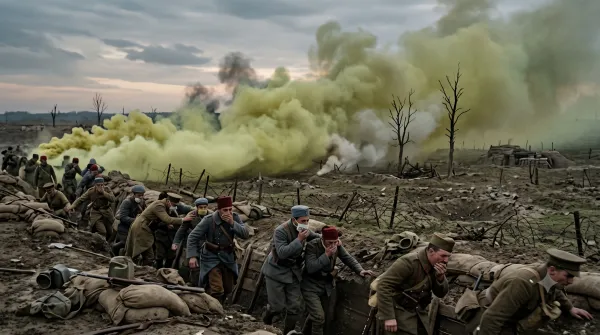
On April 22, 1915, a yellow-green wall of chlorine gas rolled across the Flanders fields the first large-scale chemical attack in modern war.
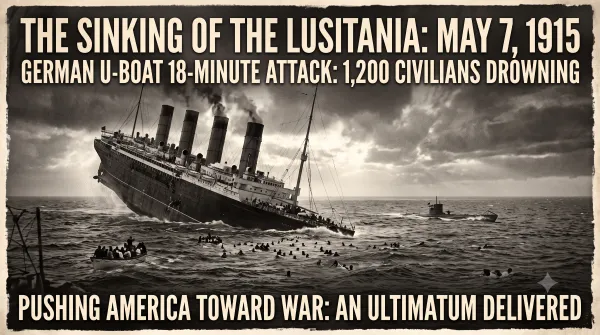
On May 7, 1915, a German U-boat sank a passenger liner in 18 minutes, drowning nearly 1,200 civilians and pushing the U.S. toward war.
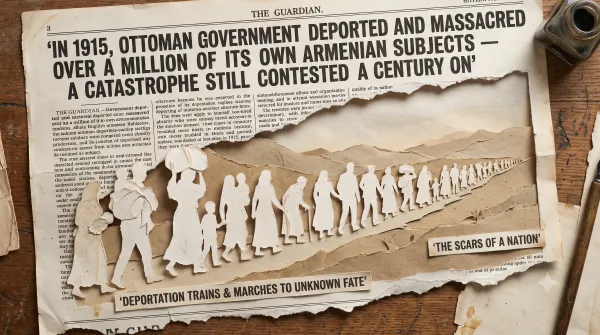
In 1915, the Ottoman government deported and massacred over a million of its own Armenian subjects a catastrophe still contested a century on.
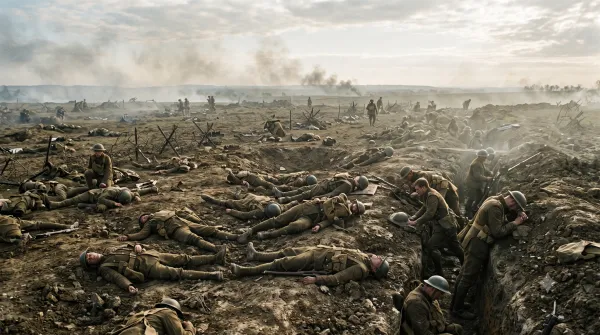
At 7:30 AM on July 1, 1916, the British Army walked into the open and lost nearly 20,000 men before nightfall the worst single day in its history.
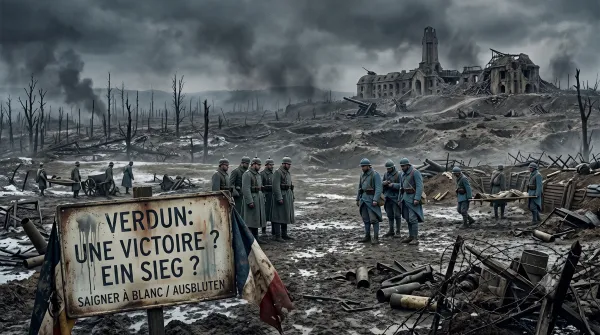
The Germans chose Verdun not to capture it, but to bleed France white. Instead, both empires drained themselves in the longest battle of WWI.
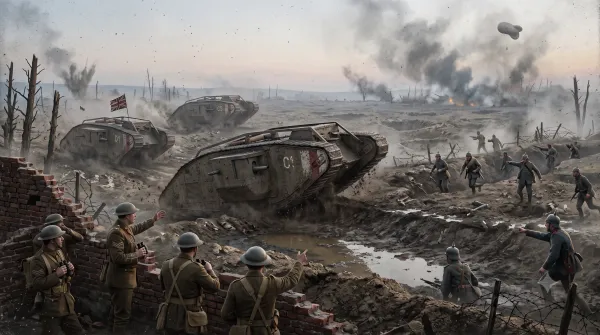
On September 15, 1916, a handful of clanking metal giants crawled across the Somme the first tanks ever used in battle.
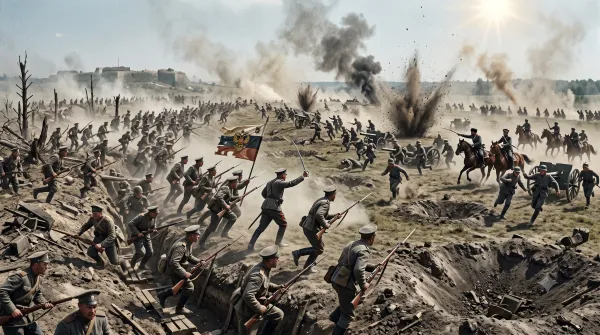
In the summer of 1916, a Russian general launched a devastating surprise assault that nearly knocked Austria-Hungary out of the war.
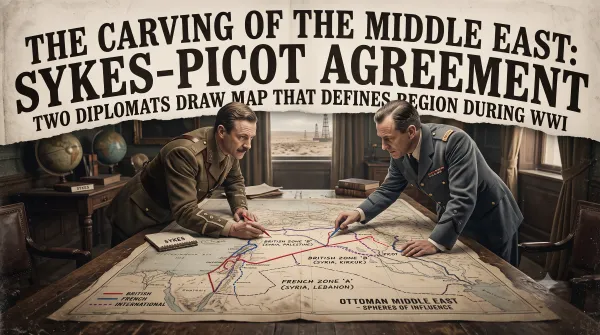
While the war was still being fought, two diplomats carved the Arab world into British and French spheres on a map that still defines the region.
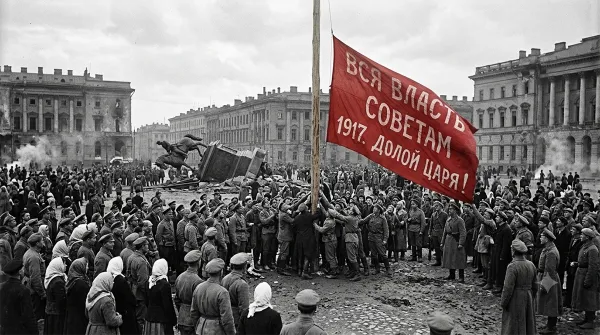
In eight months a empire collapsed, a provisional government rose and fell, and Lenin's Bolsheviks seized history by the throat.
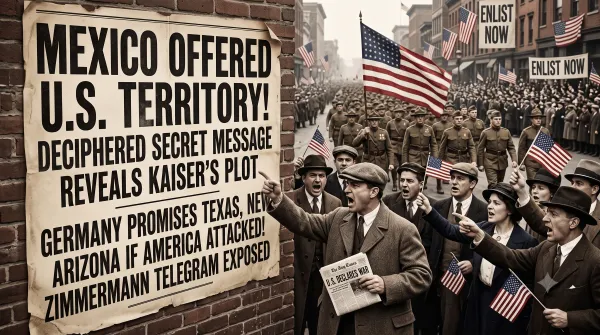
A decrypted secret message offering Mexico lost U.S. territory in exchange for attacking America turned a hesitant nation into a belligerent one.
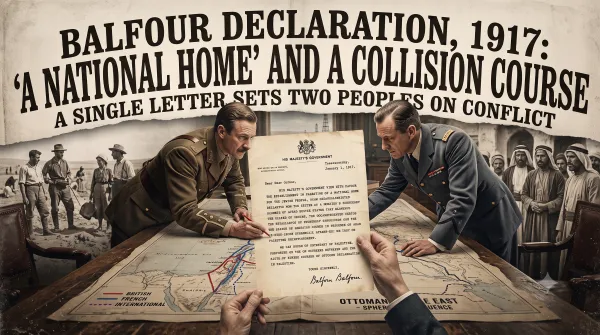
A single letter in 1917 promised a 'national home for the Jewish people' in Palestine and set two peoples on a collision course.
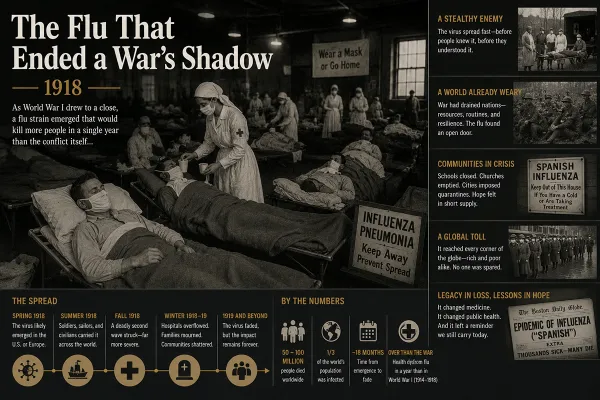
1918. As World War I drew to a close, a flu strain emerged that would kill more people in a single year than the conflict itself, and it preyed on the young and healthy most of all.
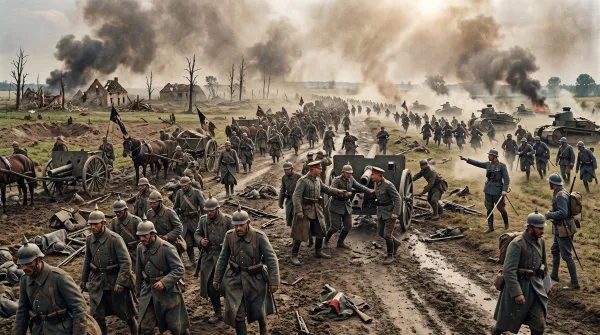
In the summer of 1918, Germany threw its final offensive at the Marne and instead triggered the collapse of its entire army.
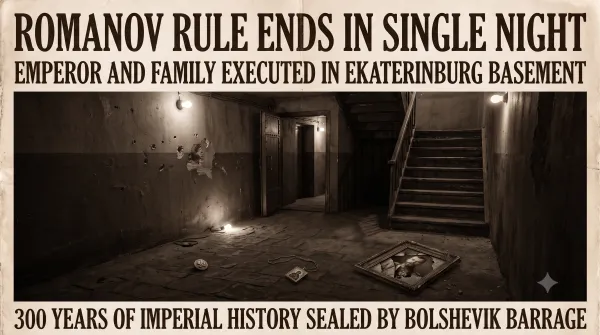
In a basement in Ekaterinburg, the last Russian emperor and his family were executed ending 300 years of Romanov rule in a single night.
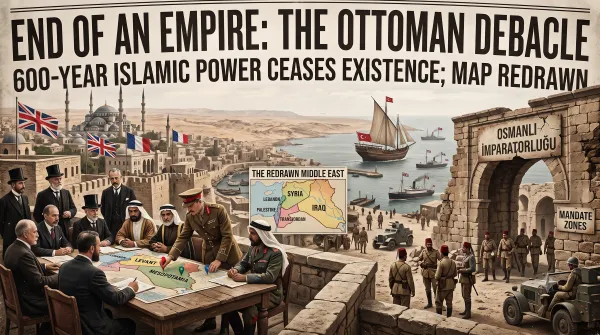
A 600-year-old Islamic empire entered WWI on the losing side and by 1922 it had ceased to exist, redrawing the entire Middle East.
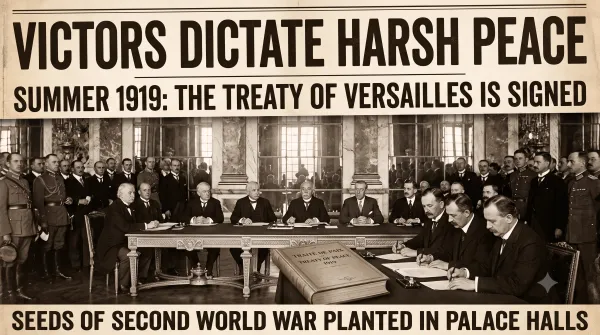
In the summer of 1919, the victors dictated a peace so harsh that it planted the seeds of a second world war two decades later.
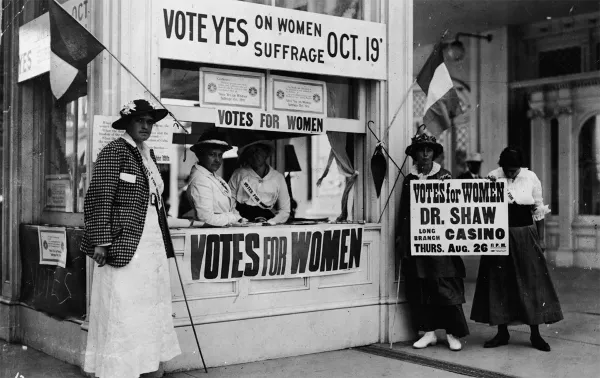
August 18, 1920. A young Tennessee legislator switched his vote after a note from his mother. With that, American women won the right to vote after more than seven decades of protest.
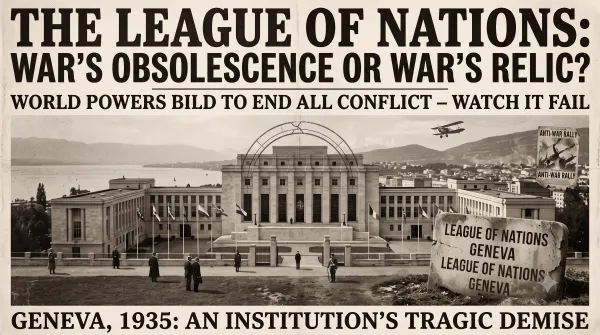
In the ashes of the Great War, the world's powers built an institution meant to make war obsolete and watched it fail.
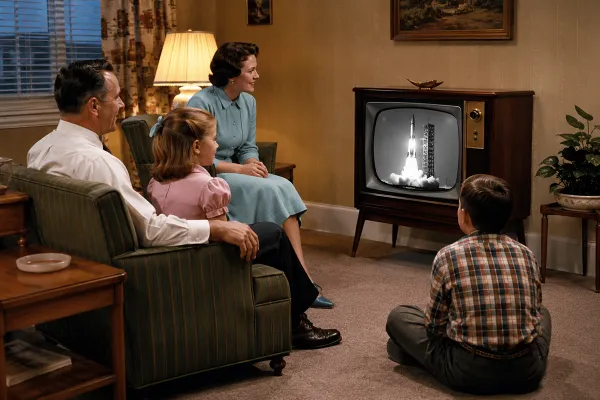
Radio gave the world a voice. Television gave it a face. Suddenly events unfolded live in your living room and reality itself felt closer.
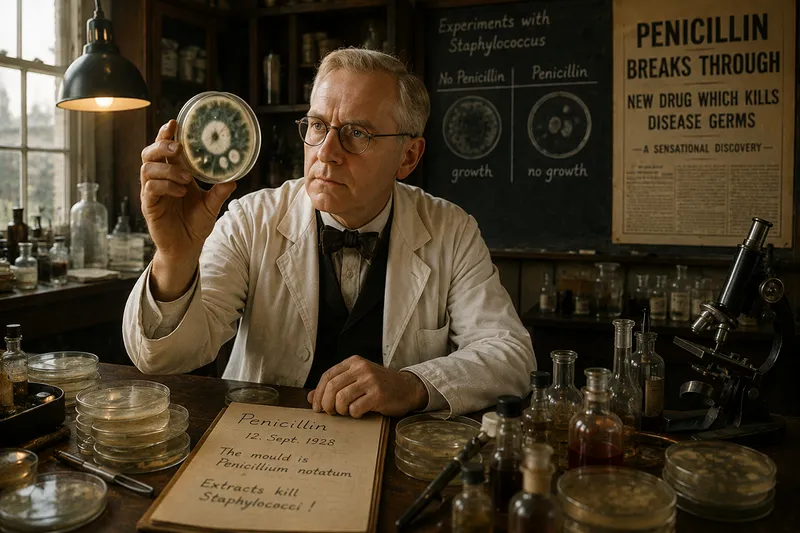
A forgotten petri dish, a contaminated mess, and a scientist with the eyes to see it. In 1928, a stray mould began killing bacteria and changed medicine forever.
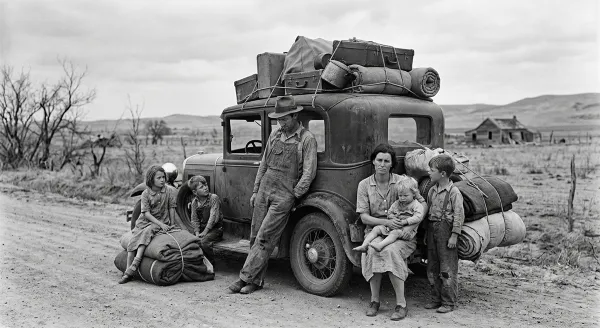
After 1929, a quarter of Americans couldn't find work. Factories went silent, banks evaporated, and an entire decade learned what scarcity really meant.
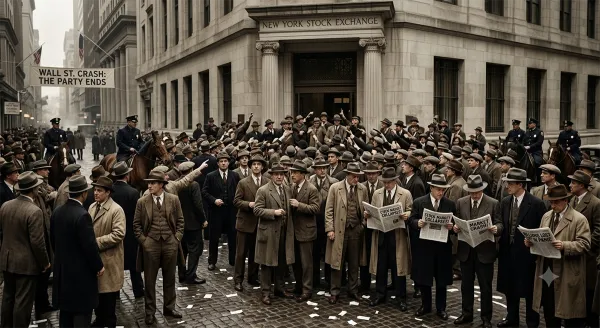
Through the 1920s, Americans bought stocks on borrowed money. On 24 October1929, the lenders called, the crowd panicked, and the bill came due.
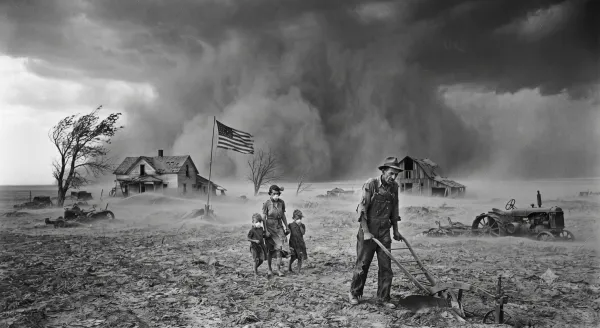
A decade of drought and plowing turned the American heartland into a desert, and sent a million people fleeing on Route 66.
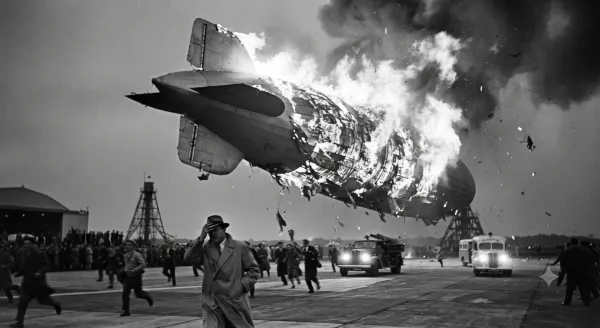
Live on the radio, the largest airship ever built burst into flame and killed the dream of passenger flight by zeppelin.
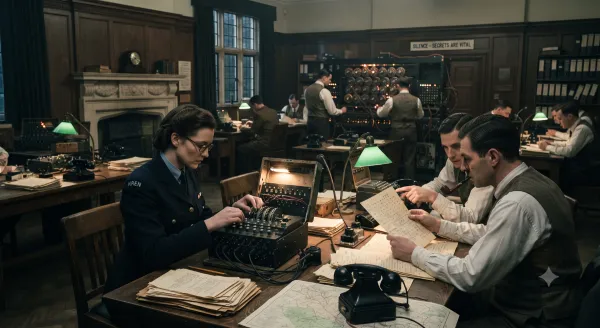
Inside a sleepy English country estate, thousands of codebreakers quietly unraveled the secrets of the Axis and birthed the modern computer.
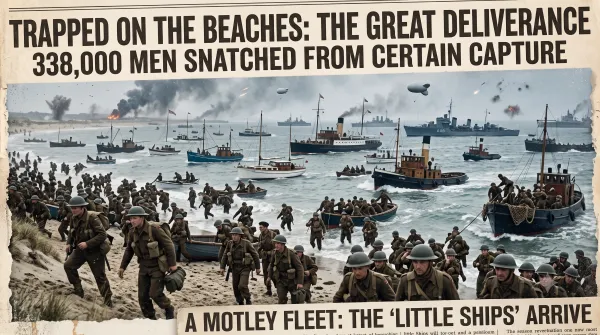
Trapped on the beaches with the sea at their backs, 338,000 men were snatched from almost certain capture by a fleet of fishing boats and pleasure yachts.
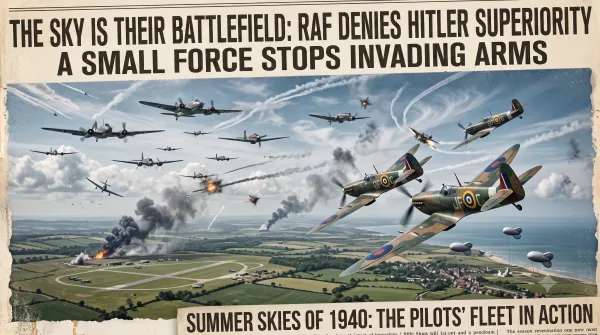
In the summer skies of 1940, a small force of RAF pilots denied Hitler the air superiority he needed to invade Britain.
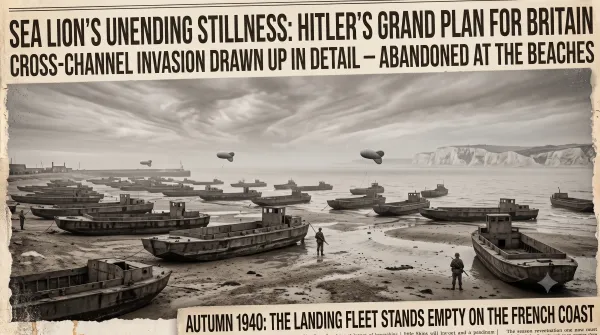
Hitler's plan to sail across the Channel and conquer Britain was drawn up in detail and quietly abandoned before a single landing craft launched.
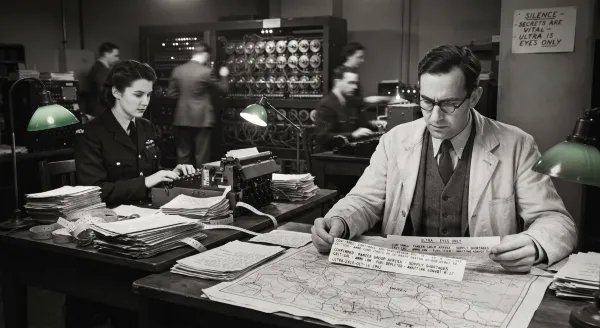
The Allies read the enemy's most secret messages for years and had to fight a whole war without ever revealing they could.
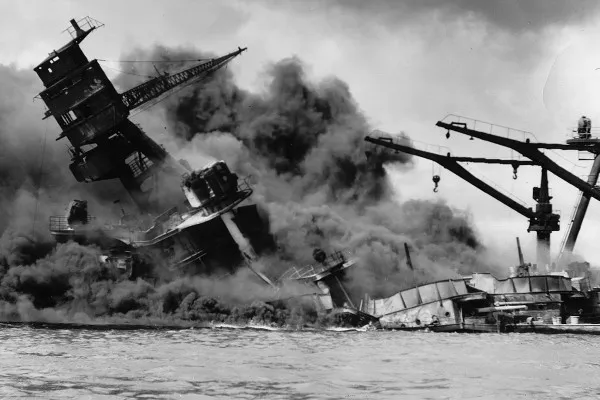
December 7, 1941. A date that lives in infamy. The attack that ended isolationism and changed the course of the 20th century.
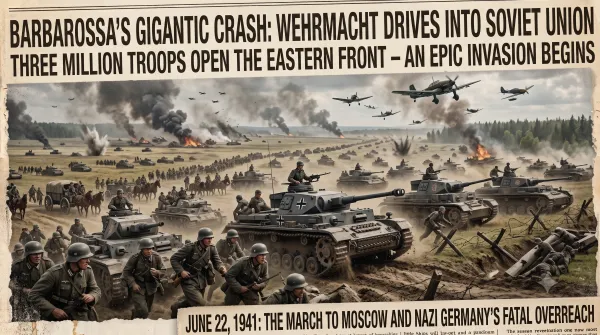
On June 22, 1941, three million German troops crashed into the Soviet Union the largest invasion in human history, and the beginning of the end for Nazi Germany.
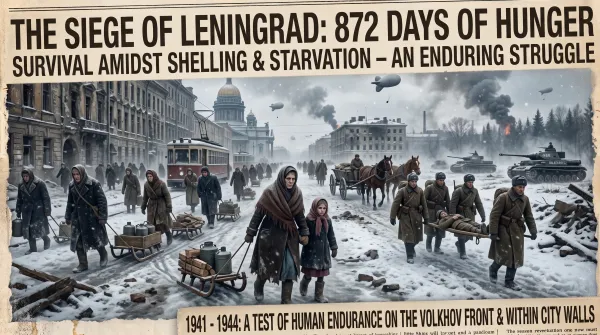
For nearly two and a half years, a great city starved behind German lines and refused to fall.
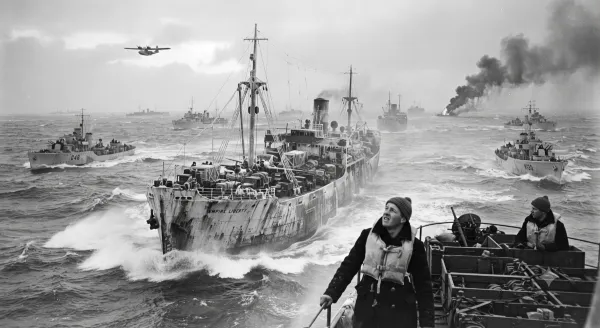
Through freezing seas and Nazi wolfpacks, Allied ships carried the supplies that kept the Soviet Union in the war.
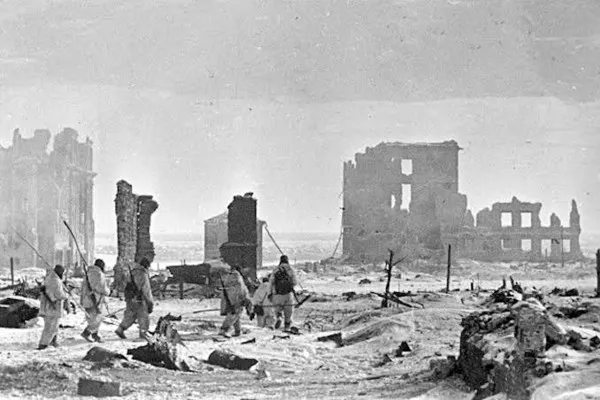
August 1942 – February 1943. The bloodiest battle in human history turned the tide of World War II in the ruins of one city.
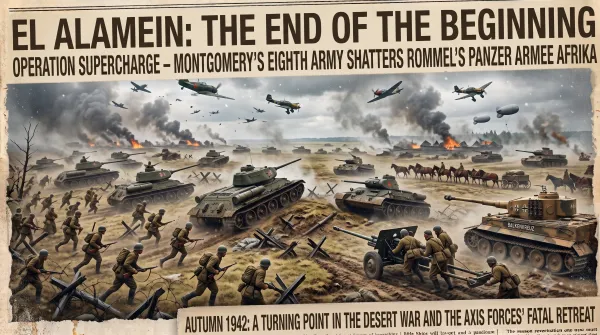
In the Egyptian desert, a British army stopped Rommel's drive for the Suez Canal the first major land victory over the Axis in the west.
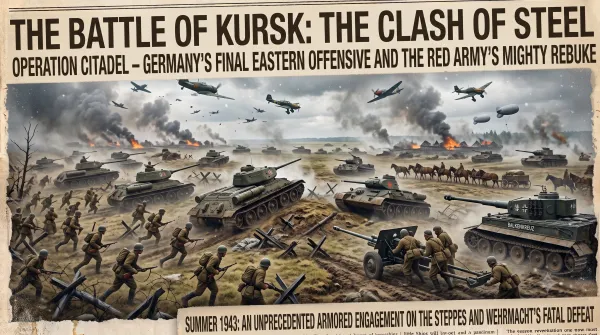
In July 1943, the largest tank battle in history erupted on the steppes and broke the back of the German offensive for good.
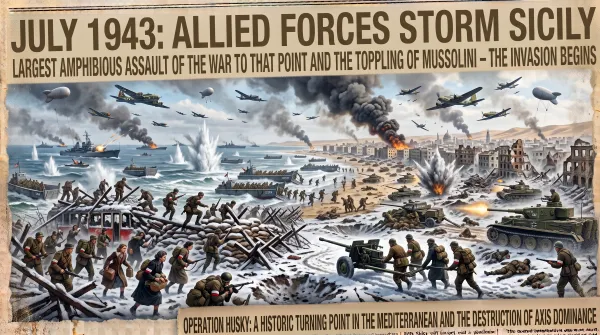
In July 1943, the Allies stormed Sicily in the largest amphibious assault of the war to that point and toppled Mussolini.
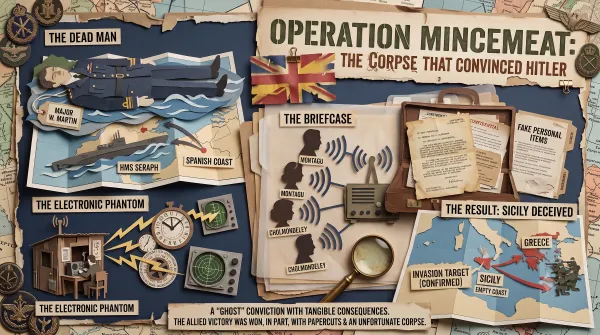
A dead man, a fake identity, and a briefcase of forged letters convinced Hitler that the Allies would invade Greece, not Sicily.
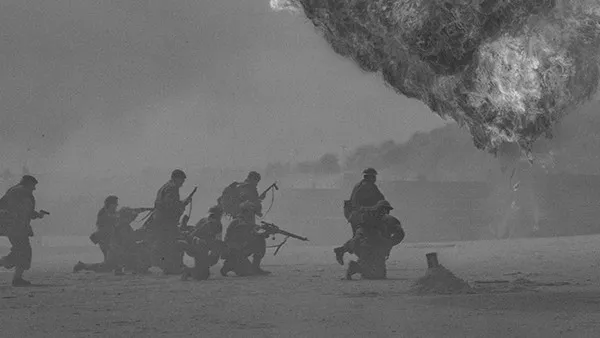
At 6:30 AM on June 6, 1944, the world held its breath as 156,000 Allied troops stormed five beaches into the unknown.
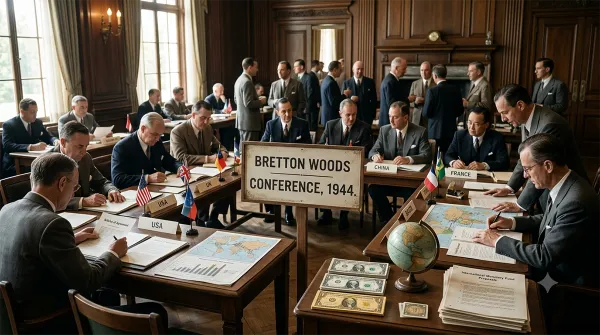
In July 1944, as war still raged, 730 delegates from 44 nations met at a New Hampshire resort to invent the financial order that would follow the fighting.
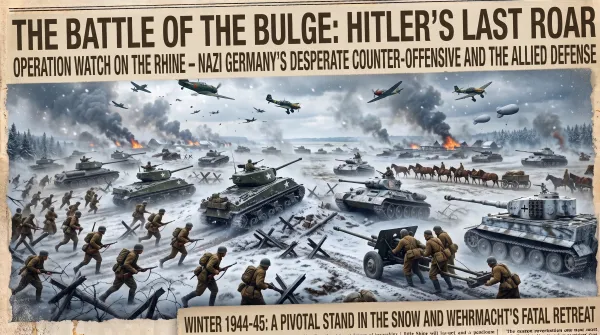
In the dead of a Belgian winter, Germany launched a surprise counteroffensive that punched a massive 'bulge' into the Allied lines.
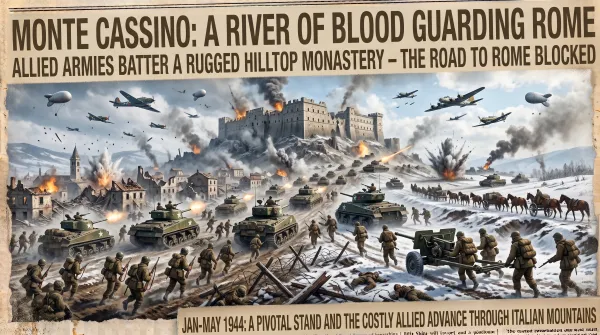
For months, Allied armies battered a rugged hilltop monastery that guarded the road to Rome and paid in rivers of blood.
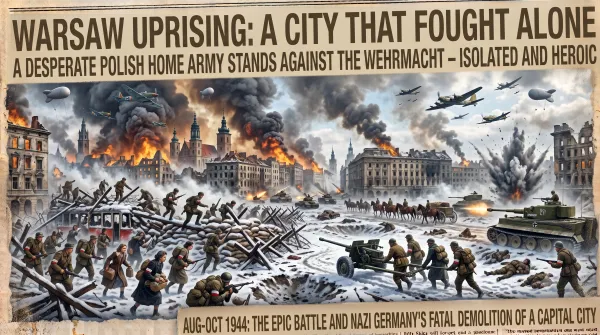
As the Red Army waited across the river, the people of Warsaw rose against the Nazis and were left to be crushed.
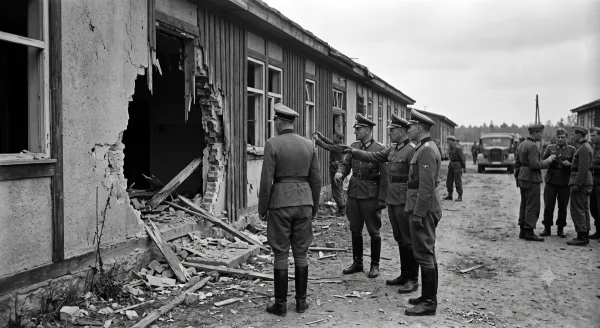
On July 20, 1944, a briefcase bomb exploded inches from Hitler and a conspiracy to seize the Reich unraveled within hours.
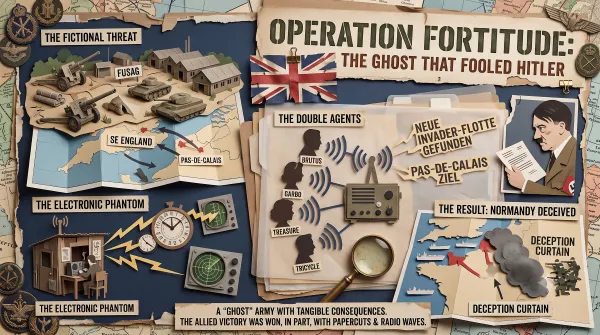
An army of inflatable tanks, fake radio traffic, and a fictitious commander convinced Hitler the D-Day landings would hit elsewhere.
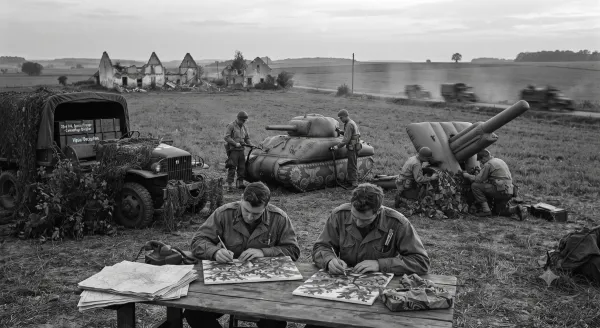
A secret U.S. unit of artists, designers, and sound engineers faked entire armies with rubber tanks and loudspeakers to fool the Germans.
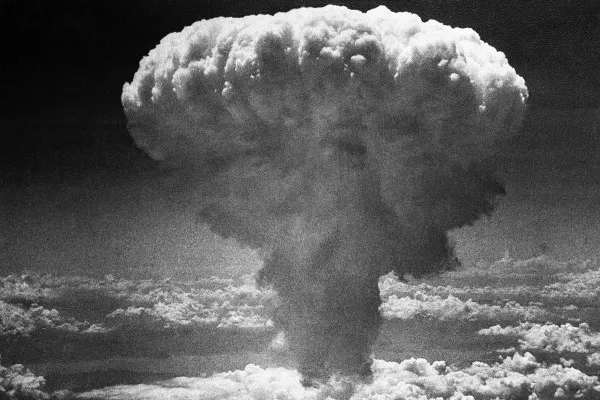
August 6, 1945. A single bomb erased a city in nine seconds and changed the meaning of war forever. Humanity now had the power to end itself.
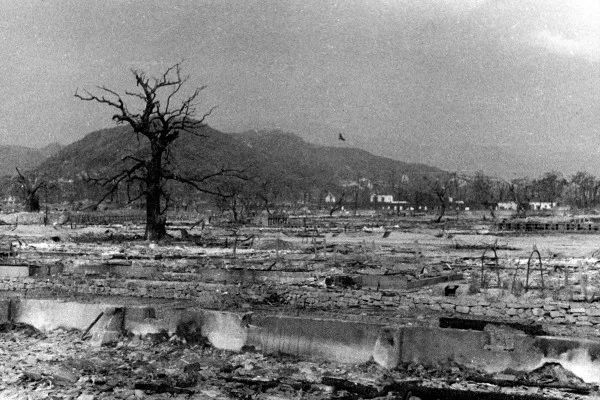
August 9, 1945. Three days after Hiroshima, a second atomic bomb fell on a city few had heard of. The war was over within a week.
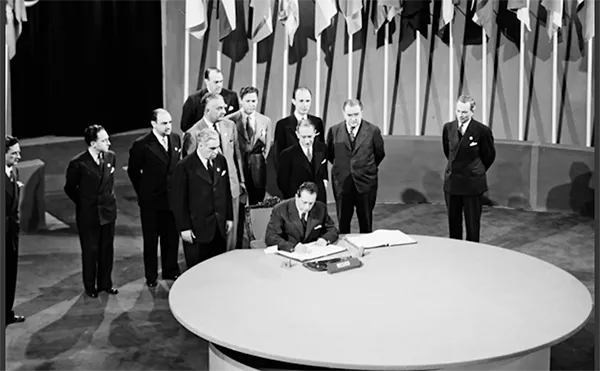
June 26, 1945. With World War II still smoldering in the Pacific, fifty nations gathered in San Francisco to write a charter nobody thought possible a decade earlier: a permanent league of the world.
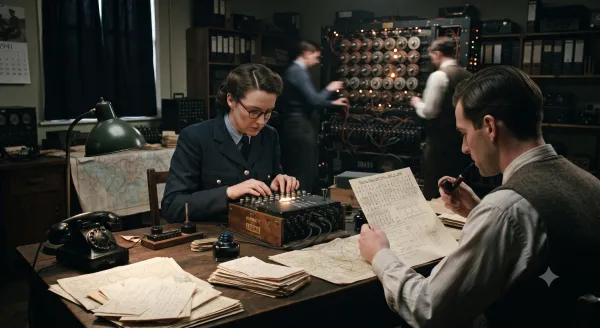
A cipher machine whose settings changed daily created a puzzle so complex that cracking it seemed impossible until mathematicians did the impossible.
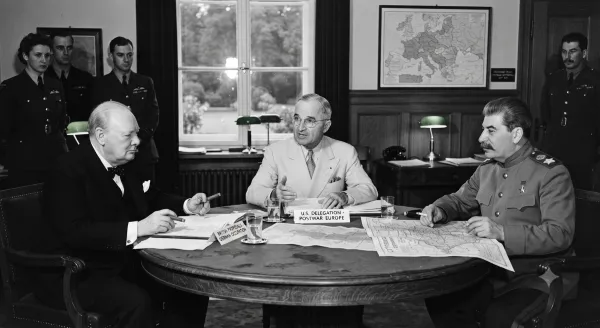
As the atomic age dawned, the victorious powers met to impose the peace and revealed how far apart they already stood.
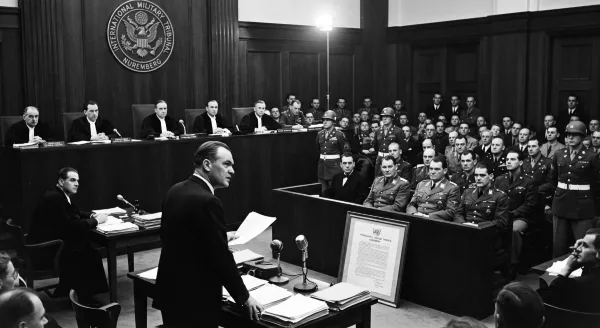
For the first time in history, the leaders of a defeated nation were tried not by the sword but by the law of humanity.
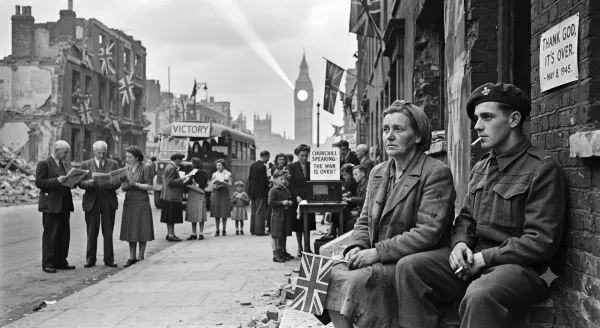
On May 8, 1945, the guns in Europe fell silent and millions flooded the streets to celebrate the end of the war they had lived through.
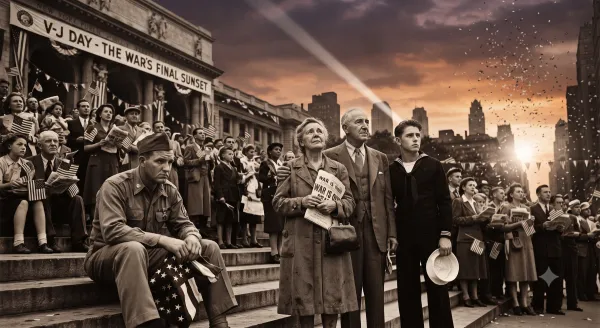
Three months after Europe fell silent, the Pacific war ended and a sailor's kiss in Times Square became its enduring image.
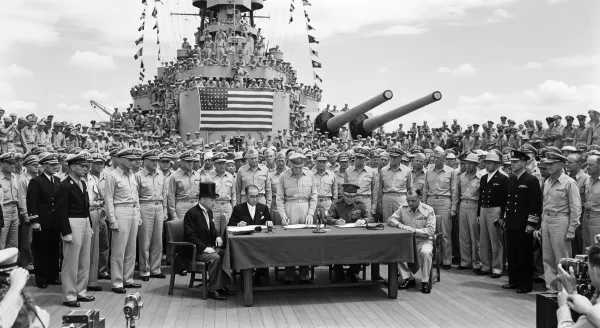
On a wooden table on the deck of a battleship in Tokyo Bay, the most devastating war in history was formally ended with a pen.
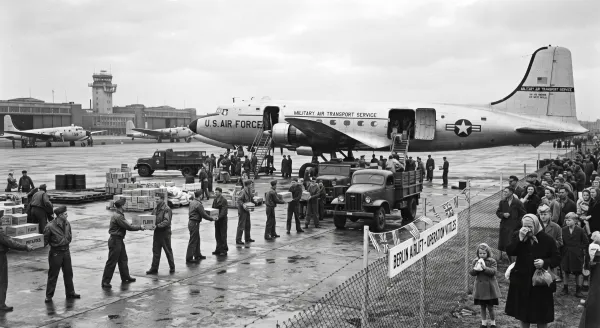
When the Soviets cut off West Berlin by land, the Allies answered with a miracle of logistics: one airplane landing every minute, for nearly a year.
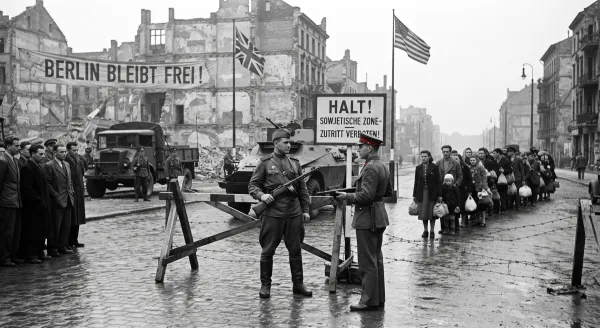
By sealing off a city, Stalin hoped to force the West out of Berlin and instead forged the alliance that would confront him for decades.
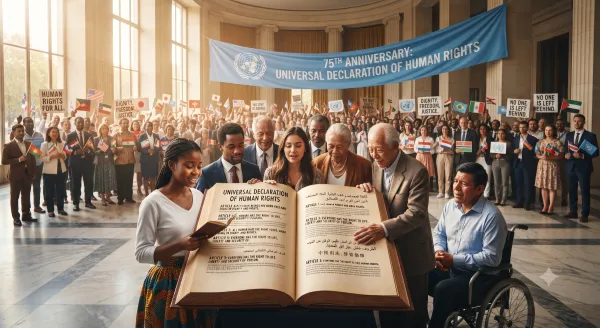
In the shadow of Auschwitz and Hiroshima, the world agreed on a single list of rights every human possesses simply by being human.
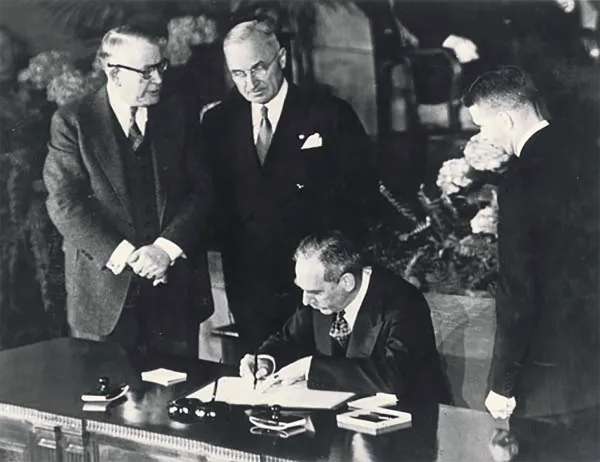
April 4, 1949. Twelve nations signed a treaty in Washington promising that an attack on one would be an attack on all. For the first time, the Americas and Europe bound their defenses as one.
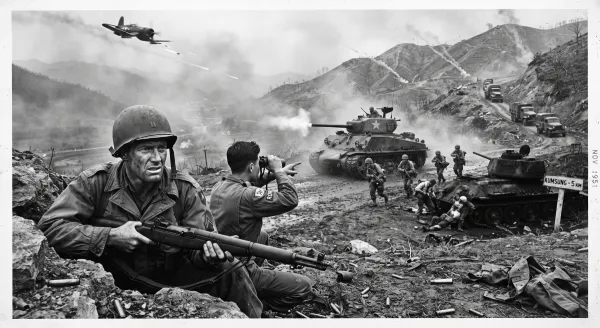
In 1950, a civil war on a divided peninsula pulled in the world's great powers and set the template for superpower proxy war.
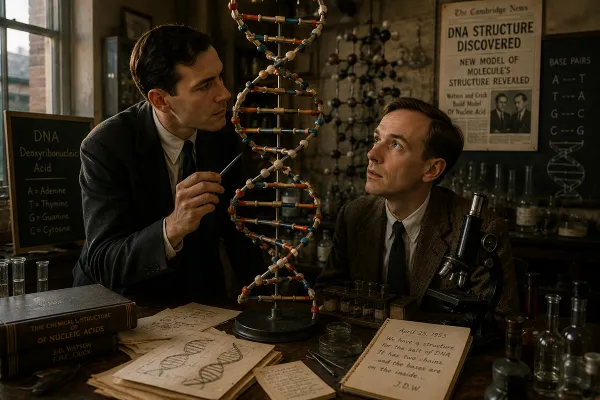
In 1953, two young scientists pieced together a twisted ladder from scattered data and suddenly humanity could read the instruction book of every living thing.
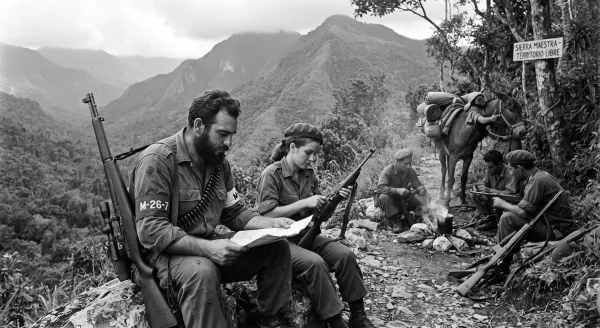
A small band of bearded fighters in the mountains toppled a U.S.-backed dictator and turned a Caribbean island into a Cold War flashpoint.
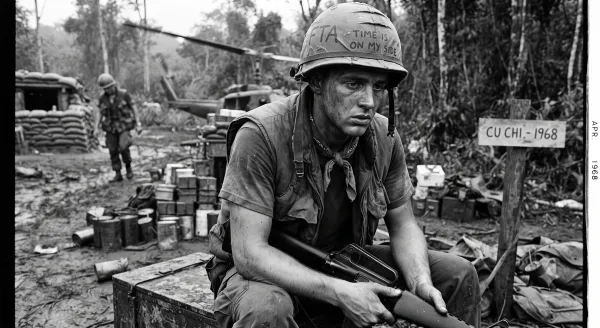
The world's greatest military power spent a decade trying to hold a small country together and was undone by will, terrain, and television.
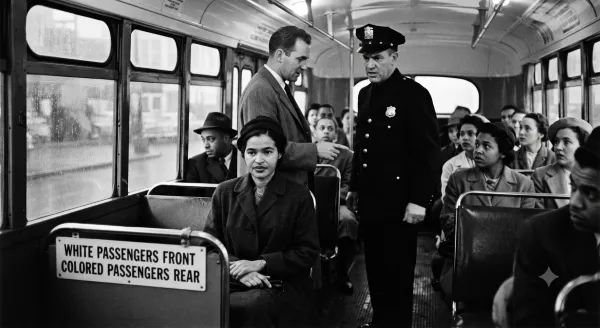
A seamstress in Montgomery simply stayed seated and ignited the modern civil rights movement.
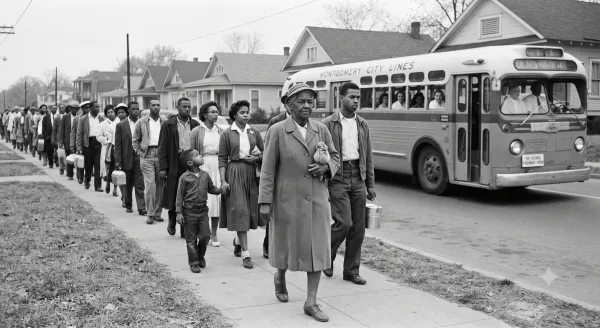
For 381 days, a community refused to ride the buses and broke segregation through sheer endurance.

For thousands of years, only minds could reason, create, and learn. Then we taught silicon to do it and the line between tool and thinker began to blur.
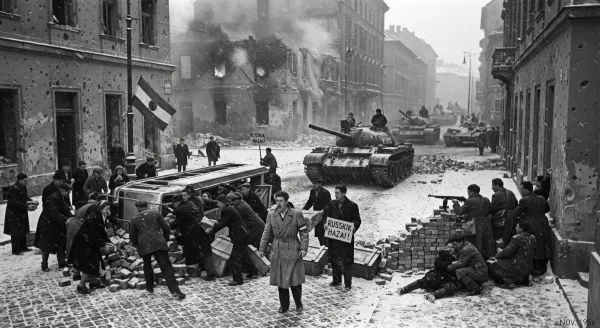
A student march became a nationwide uprising against Soviet rule and was drowned in tanks within weeks.
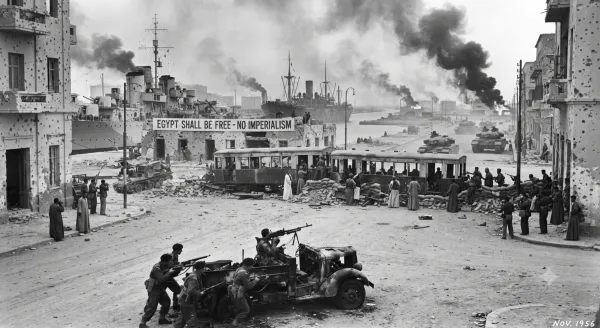
When Egypt seized the Suez Canal, Britain, France, and Israel struck back and discovered the world had changed beneath their feet.
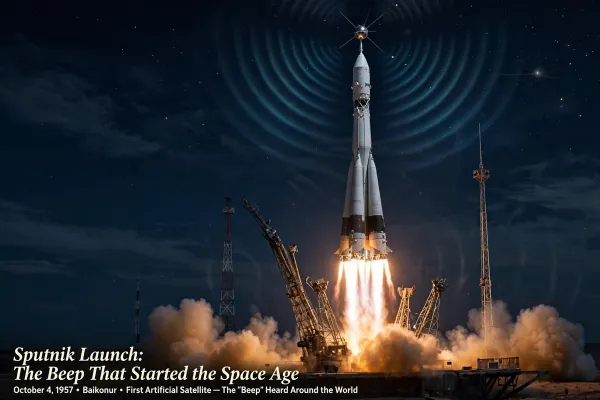
On 4 October 1957, a polished metal ball the size of a beach ball began circling Earth, beeping. It had no crew, no flag and it changed the 20th century overnight.
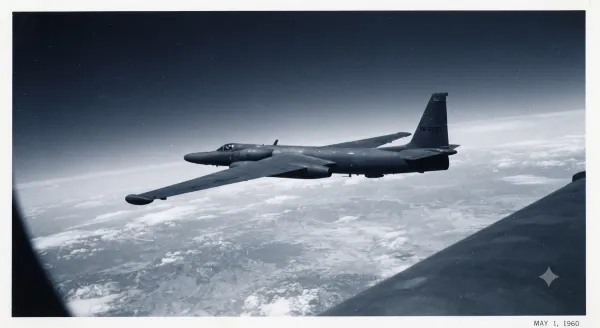
Days before a East-West summit, an American spy plane was shot down over the USSR and the cover story collapsed in real time.
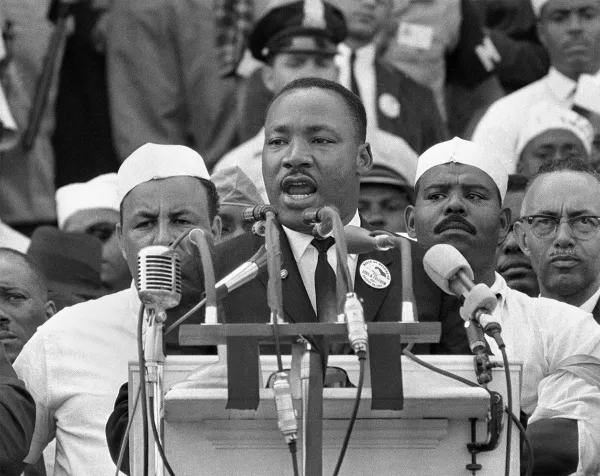
August 28, 1963. A Baptist preacher stepped to the microphone at the Lincoln Memorial and abandoned his prepared text. What followed became the most quoted speech in American history.
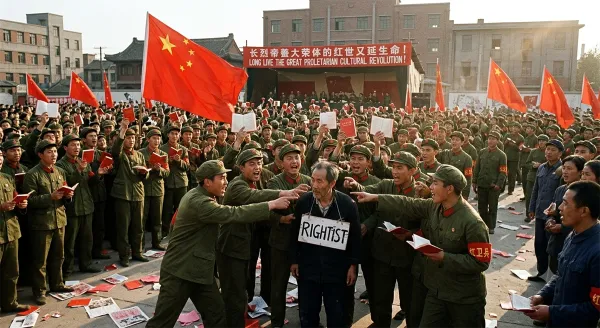
In 1966, Mao unleashed millions of young Red Guards to purge 'old ideas' and a decade of chaos swallowed a civilization.
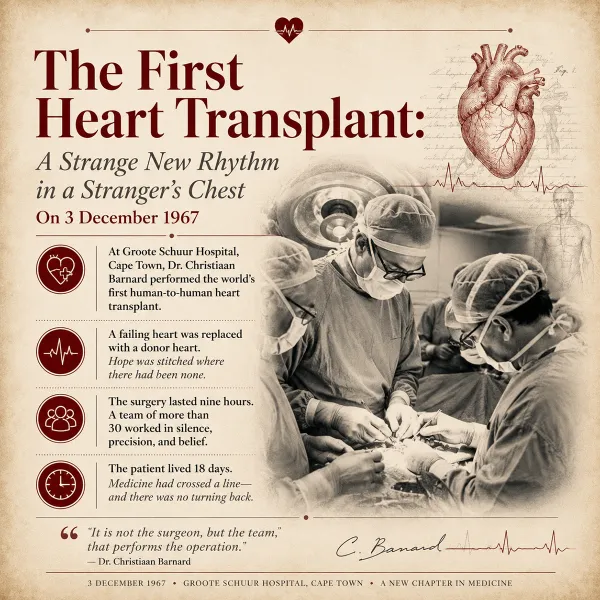
On 3 December 1967, a surgeon in Cape Town moved a beating heart from one man's chest into another's. Medicine crossed a line it could never uncross.
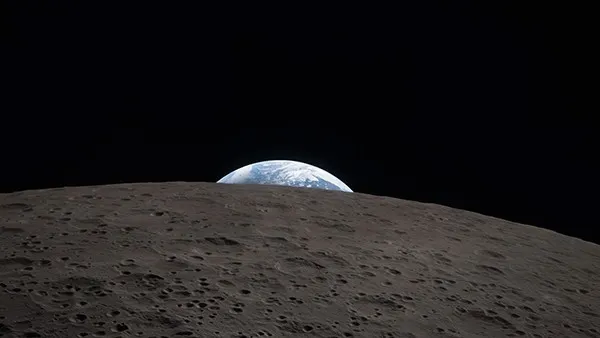
Apollo 8, December 1968. Bill Anders looked out the window and saw something that changed everything.
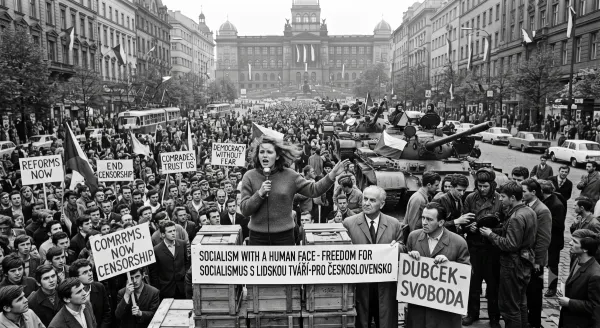
In 1968, Czechoslovakia dared to liberalize and the tanks of its Warsaw Pact allies rolled in to crush the experiment.
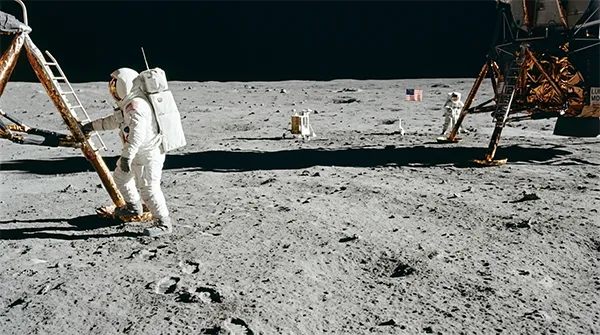
July 20, 1969. Before Armstrong said a single word, mission control sat in silence for six hours not knowing if the fuel would even hold long enough to land.
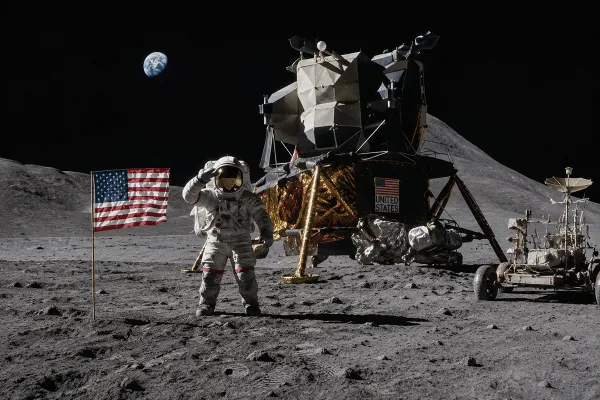
On 20 July 1969, half a billion people held their breath as a fuzzy black-and-white image showed a boot pressing into lunar dust. Humanity had left its home planet.
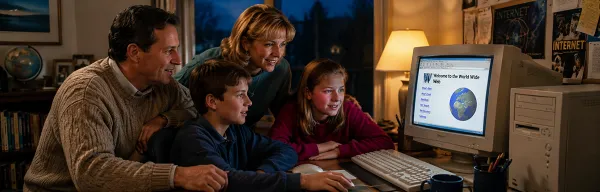
It began as a Cold War experiment to keep communications alive after a nuclear strike. It became the nervous system of human civilization.
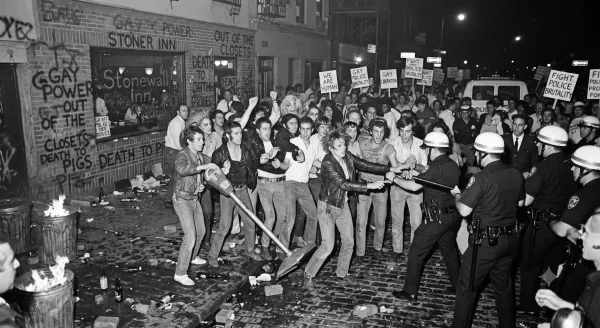
A police raid on a Greenwich Village bar met resistance and a marginalized community rose up to claim its place in the world.
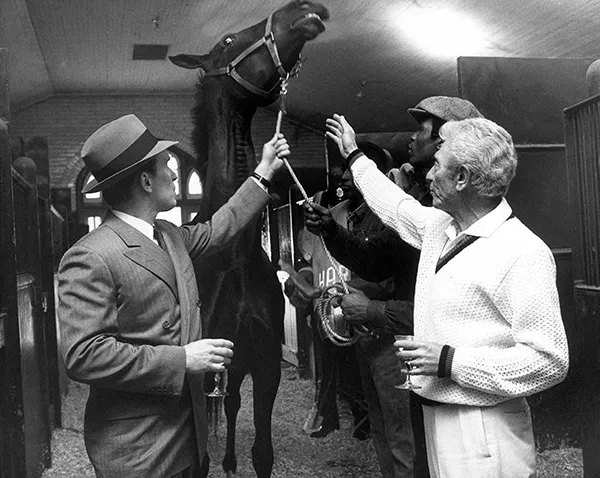 Film
Film1972. A producer wakes up in his silk sheets. The scream that follows changed what audiences would accept on screen forever.
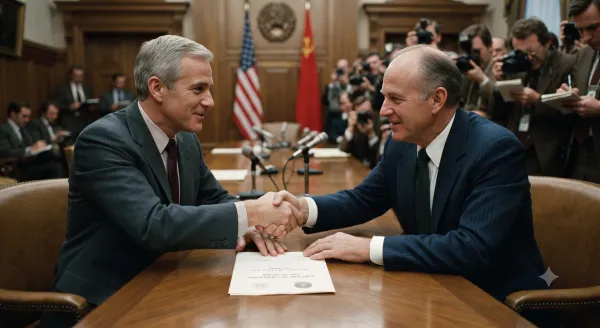
For the first time, the two nuclear superpowers agreed to stop the endless buildup of strategic weapons and to talk instead of threaten.
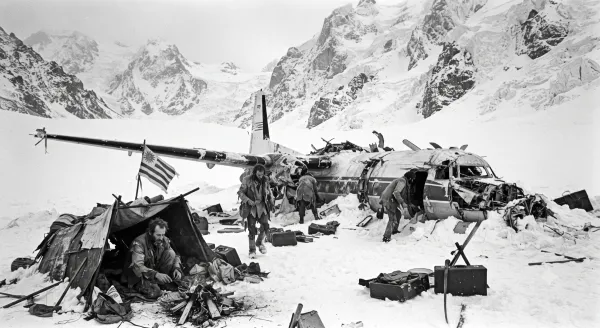
When a plane crashed into the Andes, the survivors did the unthinkable to stay alive and walked out of the mountains months later.
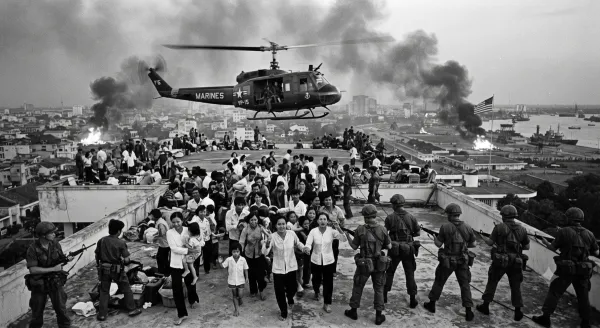
As North Vietnamese tanks rolled in, the U.S. embassy's rooftop became the iconic image of a superpower's longest war ending in flight.
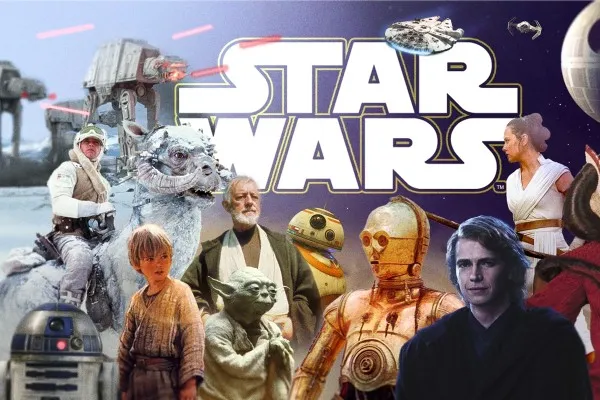 Film
FilmMay 1977. A space fantasy nobody believed in opened on a handful of screens and rewired the entire movie business in a single weekend.

For decades, childless couples were told simply to accept it. Then two biologists learned to fertilize a human egg in a glass dish and opened a door millions walk through today.

On 25 July 1978, a baby girl was born who had been conceived not in a womb but in a glass dish. The world called her a 'test-tube baby' and a silent revolution began.
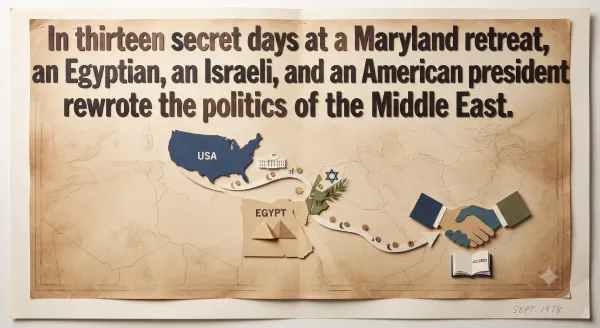
In thirteen secret days at a Maryland retreat, an Egyptian, an Israeli, and an American president rewrote the politics of the Middle East.
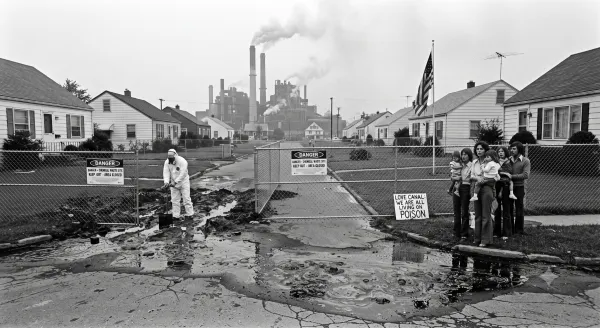
Families discovered their backyards sat atop a buried toxic waste dump and a movement for environmental justice was born.
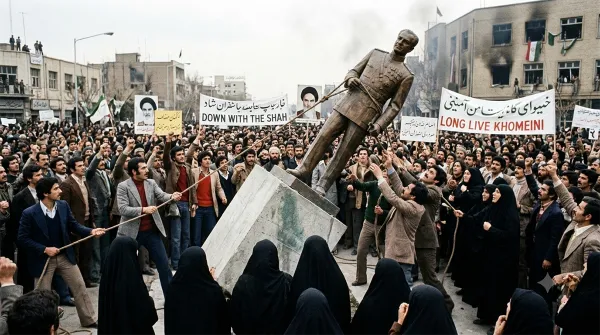
A modernizing monarchy, backed by the world's superpowers, was swept away in months by protesters and a cleric in exile.
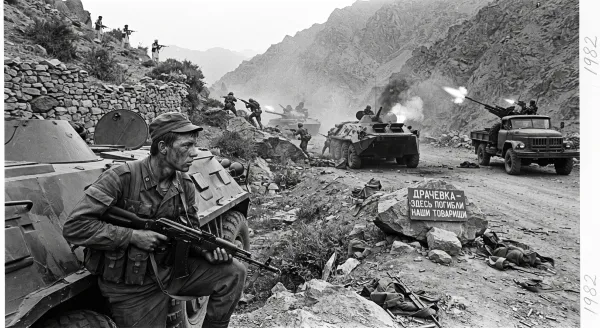
In 1979, the Red Army marched into Afghanistan to prop up a friendly regime and walked into a decade-long quagmire that helped break the USSR.
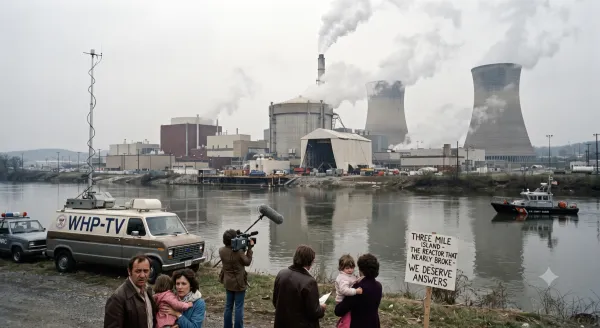
A partial meltdown in Pennsylvania froze the American nuclear dream and rewired how the world feared the atom.
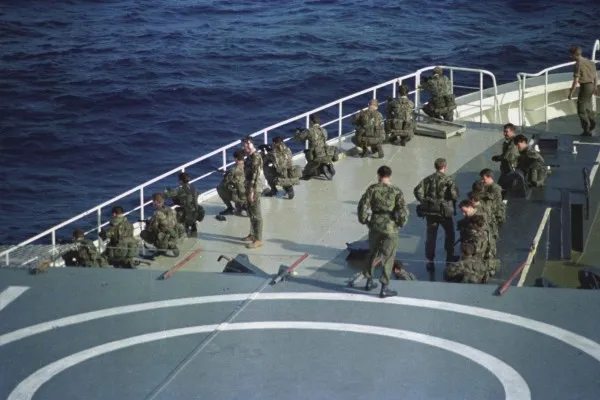
April 1982. A remote cluster of windswept islands sparked a 10-week war half a world away, and reshaped the fate of two governments.
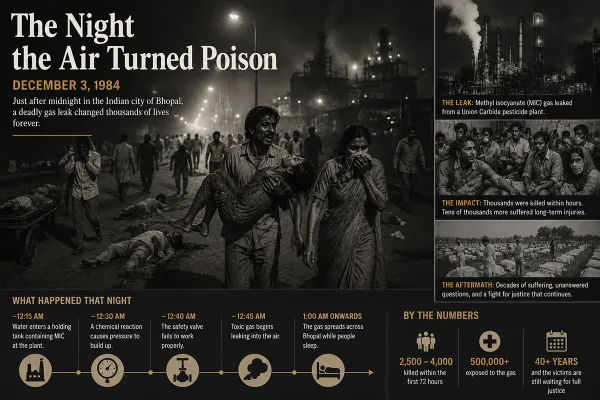
December 3, 1984. Just after midnight in the Indian city of Bhopal, a pesticide plant leaked a cloud of deadly gas. In the darkness, thousands suffocated before they could understand what was happening.
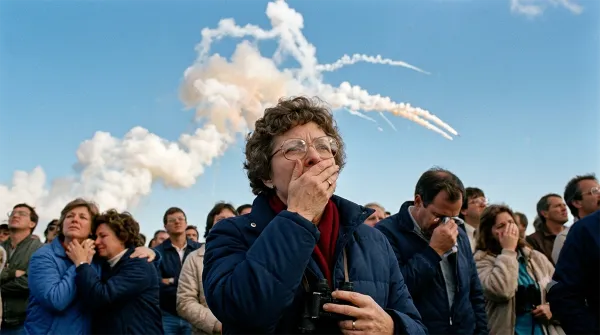
On 28 January1986, a shuttle lifted off before a nation's schoolchildren and 73 seconds later broke apart in a fountain of fire. America's faith in the heavens fractured.
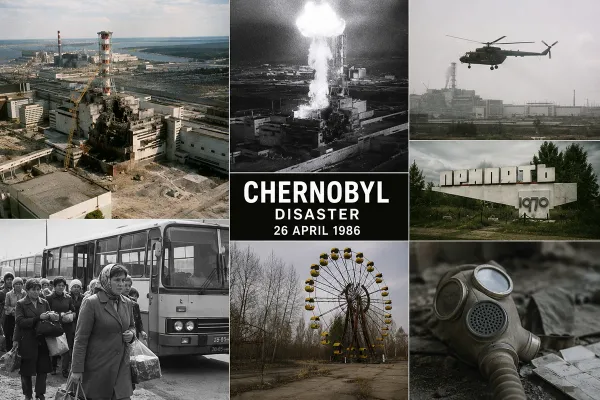
April 26, 1986. Engineers at a Soviet power plant ran a routine safety test. Within seconds, a reactor exploded with the force of dozens of Hiroshima bombs, and an invisible cloud set out across Europe.
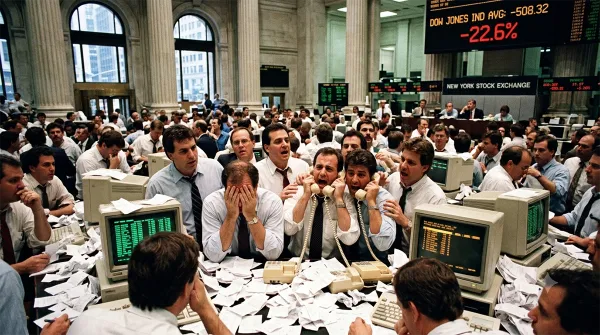
On 19 October1987, global stocks fell off a cliff the Dow dropped 22.6% in a single session. No recession, no war. Just panic, at the speed of a screen.
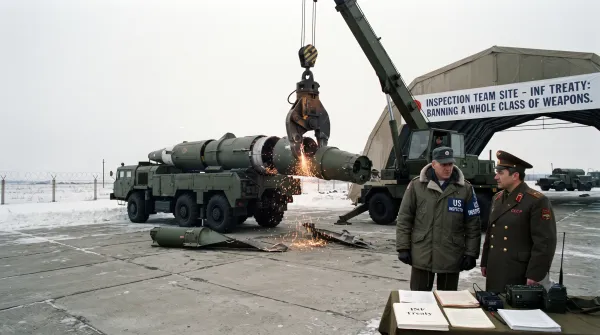
In 1987, the superpowers did something radical they agreed to eliminate an entire category of nuclear missiles, and actually did it.
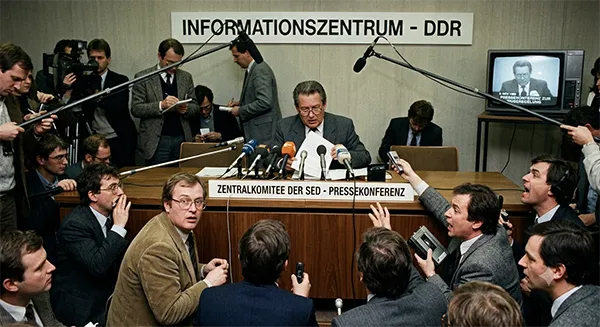
November 9, 1989. An East German spokesman misread a note. Within hours, hammers were breaking through concrete that had divided a continent for 28 years.
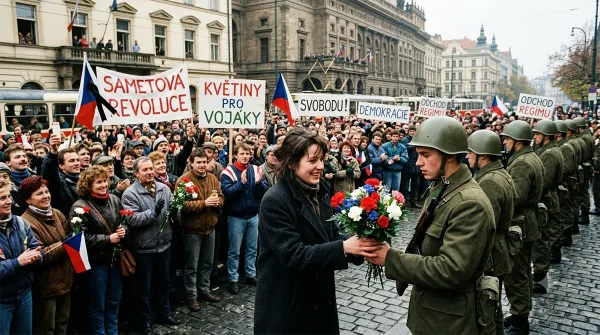
In 1989, a police baton charge against student protesters backfired so completely that a communist state dissolved without a shot.
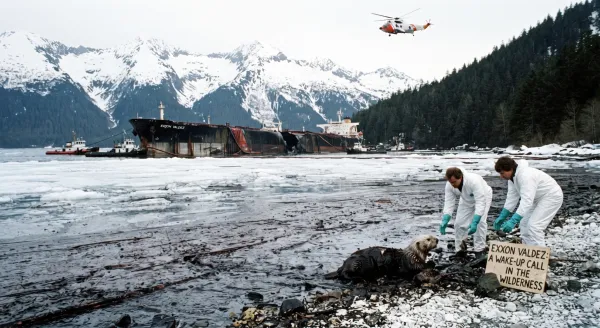
A single tanker ran aground in pristine Alaska, spilling a river of oil that stained the coast for a generation.
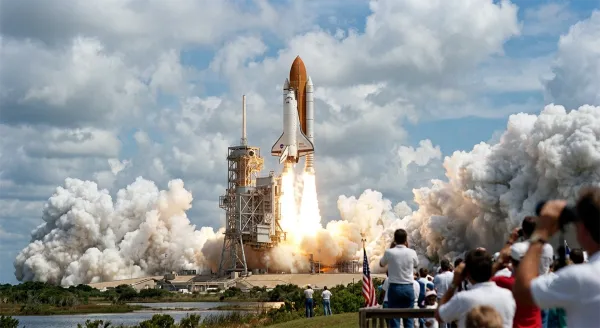
In 1990, a school-bus-sized telescope rose into orbit then sent back blurred pictures. The most ambitious eye on the universe had been built with a flawed mirror.

February 11, 1990. A 71-year-old man walked out of a prison cell and into a country on the brink of civil war. Within four years, he would lead it to democracy.
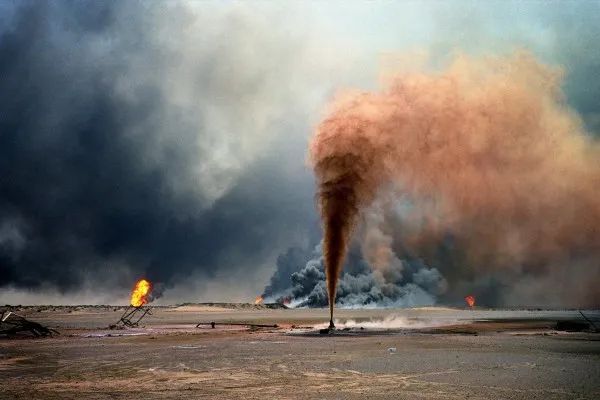
January 17, 1991. For the first time, viewers at home watched missiles streak through the night on live television. War became a broadcast.
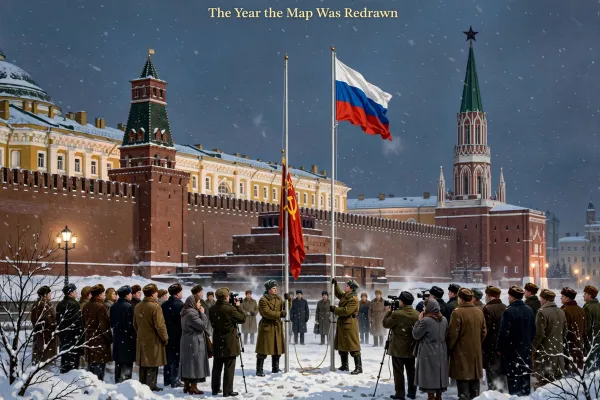
December 25, 1991. The red flag over the Kremlin came down for the last time. A superpower that had threatened the world with nuclear annihilation for forty years simply ceased to exist.
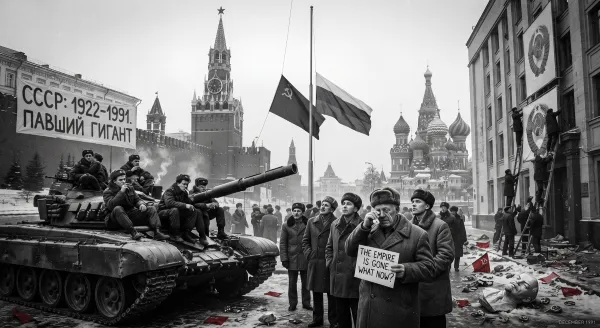
In a single year, the world's other superpower dissolved peacefully and redrew the map of Eurasia overnight.
 Film
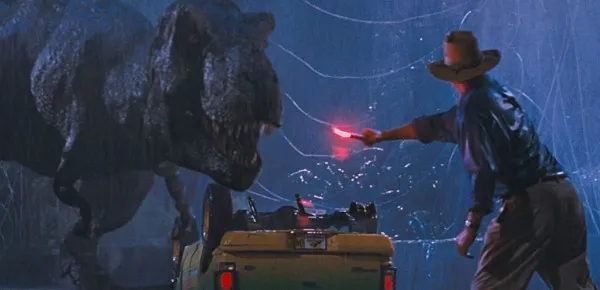
FilmJune 1993. For a few minutes on a river, dinosaurs moved like animals and the visual-effects industry changed forever in a single edit.
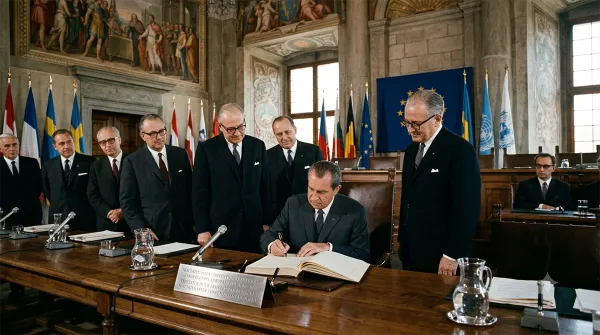
November 1, 1993. After four decades of cautious economic cooperation, twelve European nations completed a treaty that turned a loose club into something closer to a single country: the European Union.
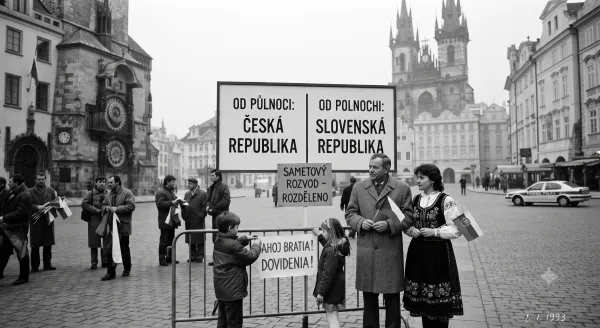
After the Velvet Revolution freed Czechoslovakia, its two halves simply agreed to go their separate, peaceful ways.
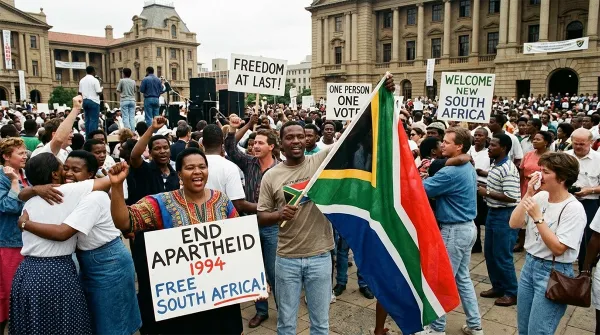
After decades of racial tyranny, a nation teetering on civil war instead held its first free election and embraced the enemy as a neighbor.
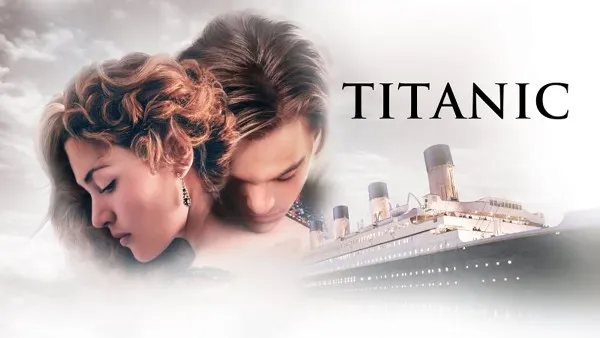 Film
FilmDecember 1997. A three-hour romance about a sinking ship was supposed to be a flop. Instead, it became the first film to earn a billion dollars.
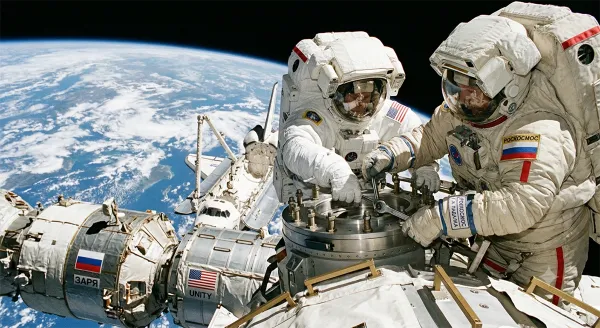
In 1998, pieces launched from rival superpowers met in orbit and were bolted together by hand. The cold War's enemies built a home in the sky.
 Film
Film1999. You already know what happens. But the first time you saw it, you went completely still.
 Film
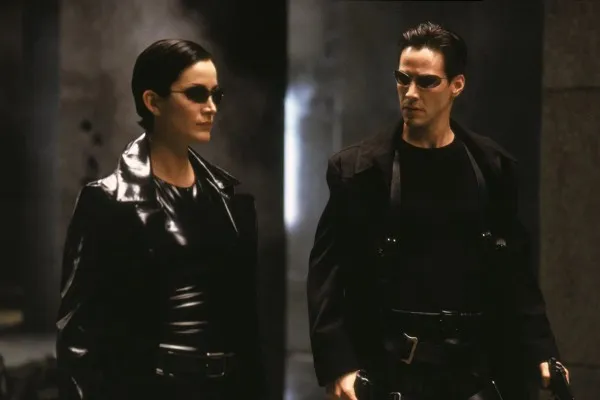
FilmMarch 1999. A hallway fight froze time and spun the camera around a bullet and redefined what a movie could look like.
The Future, Arriving Faster Than Ever

It took 13 years, billions of dollars, and an international army of scientists to spell out the 3 billion letters of human DNA. In 2003, we finally read ourselves.
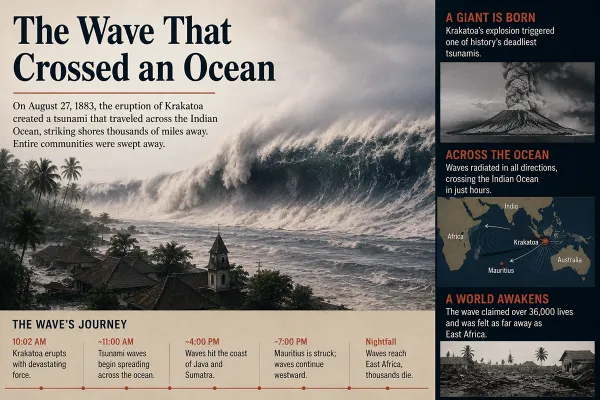
December 26, 2004. A magnitude 9.1 earthquake off Sumatra tore open the seafloor and sent walls of water across the Indian Ocean, killing nearly a quarter of a million people in hours.
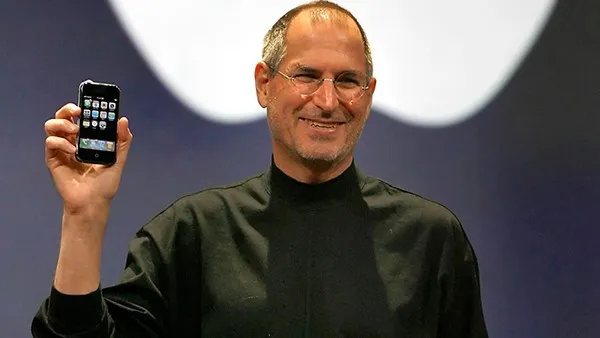
January 9, 2007. Steve Jobs held up a device and said three things. It was actually one thing. The room didn't understand yet but the phone industry was already over.
 Film
FilmOne performance. One question. The scene that proved superhero cinema could reach for Shakespeare.
 Film
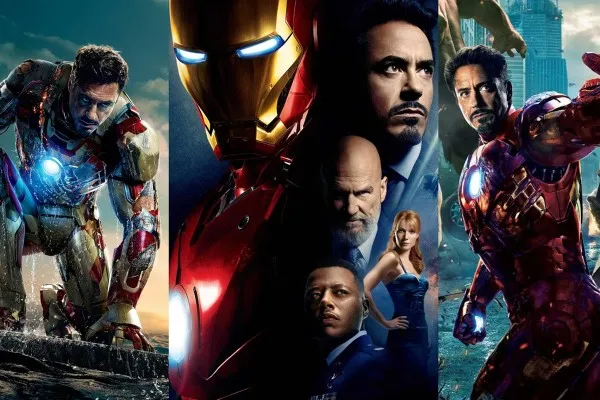
FilmMay 2008. A risky superhero film ended with one throwaway line and quietly launched the most successful franchise in film history.
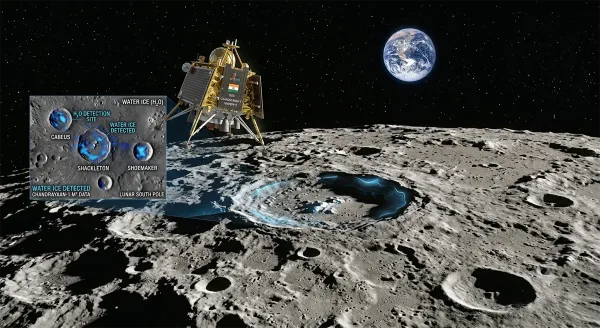
In 2008, a small Indian probe circled the Moon and fired an impactor into its south pole. The data revealed what everyone had doubted: the Moon is not bone dry.
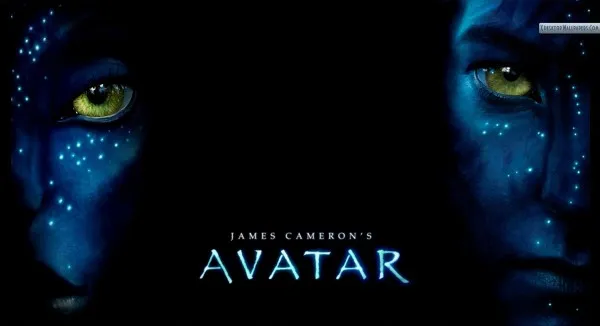 Film
FilmDecember 2009. A film about tall blue aliens became the most successful movie ever made and forced every theater to buy a 3D projector.
 Film
FilmOne final cut to black. No answer given. A decade of arguments started with a single spinning top.
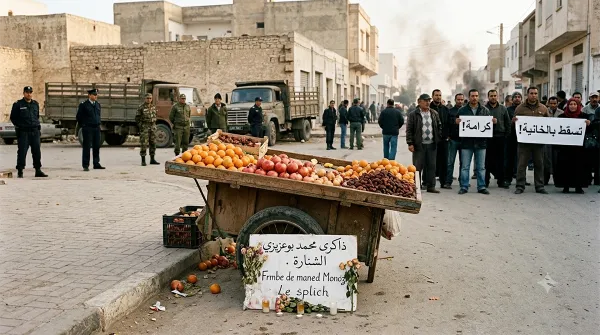
In December 2010, a Tunisian vendor set himself on fire in protest. Within a year, dictators across the Arab world were toppling like dominoes.
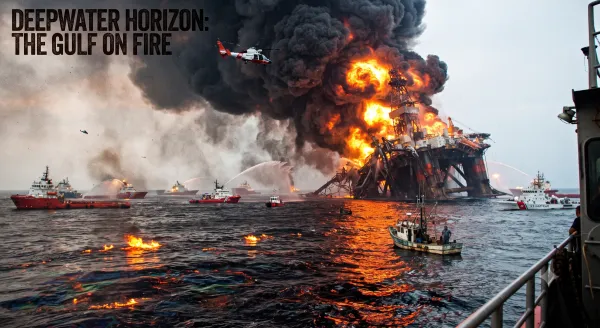
An explosion on a deep-sea rig unleashed the largest marine oil spill in history and fouled the Gulf for years.
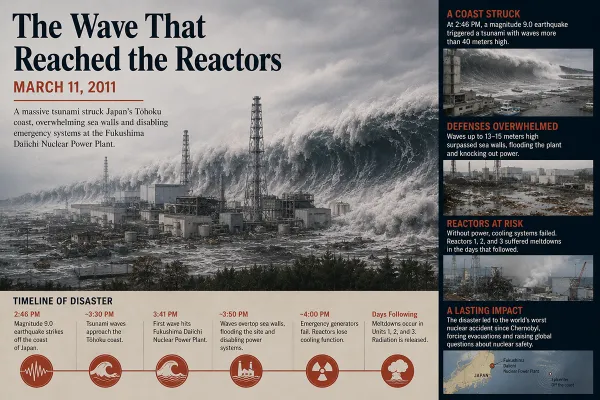
March 11, 2011. A massive earthquake and tsunami knocked out the cooling at Japan's Fukushima plant. The world's third-worst nuclear disaster unfolded on live television.

A bacterial immune system, repurposed by scientists, became a find-and-replace tool for DNA. In 2012, we learned to edit the code of life itself.
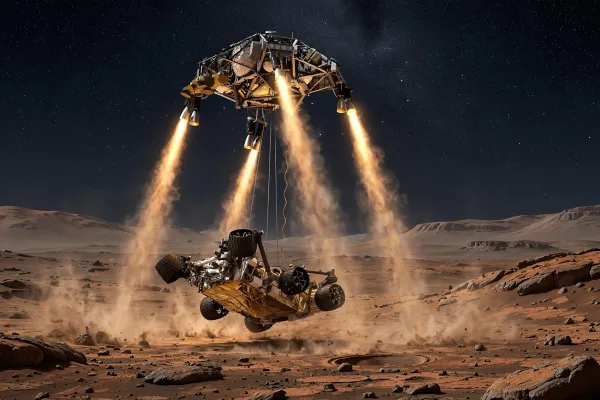
In 2012, a car-sized robot named Curiosity fell toward Mars at 21,000 km/h. For seven minutes, no one on Earth could help. Then a signal: 'Touchdown confirmed.'
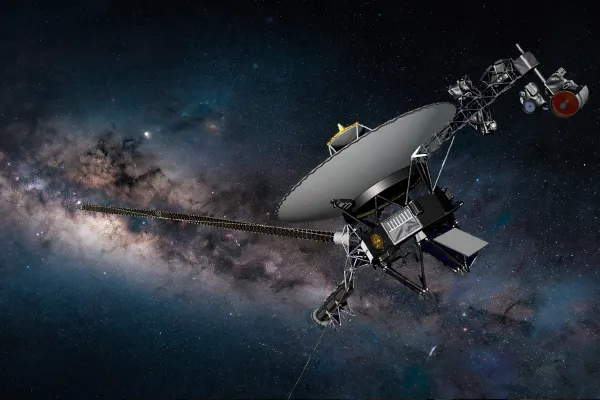
Launched in 1977, two probes toured the planets and kept going. In 2012, Voyager 1 crossed into interstellar space the first human-made object to leave the Sun's realm.
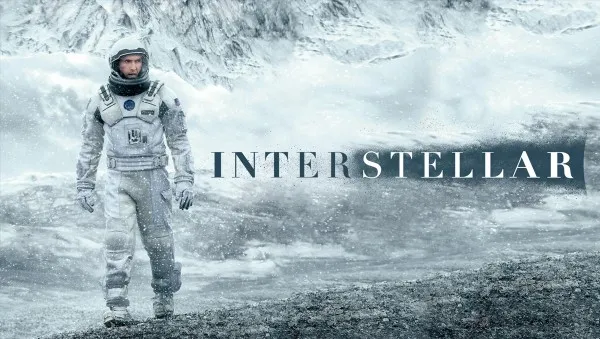 Film
FilmNovember 2014. A blockbuster about love, time, and black holes was built with equations signed off by a real physicist.

AlphaGo vs. Lee Sedol, 2016. A move no human would play. A move that won. The machine had begun to dream.
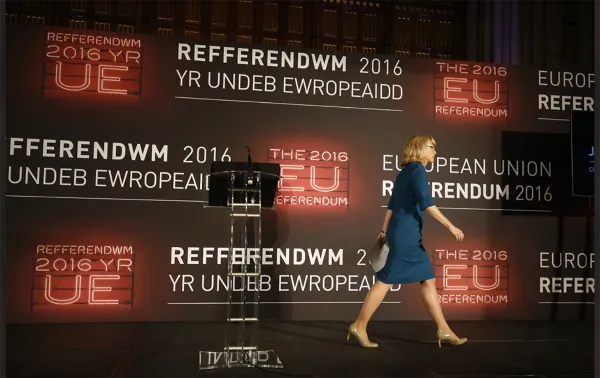
June 23, 2016. Pollsters, markets, and nearly every expert said Britain would stay in the EU. The voters went the other way, and a political order shuddered.
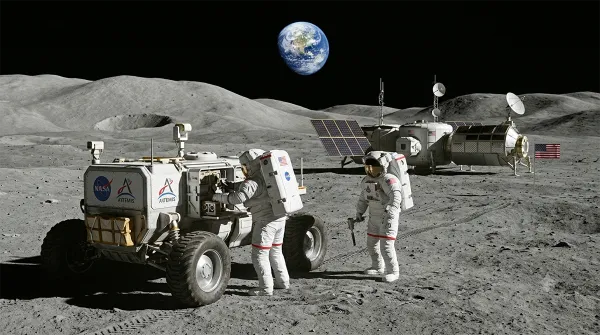
More than half a century after Apollo, a new program aims not for a flag and footprints but a lasting presence and this time, the first woman and first person of color will walk the Moon.
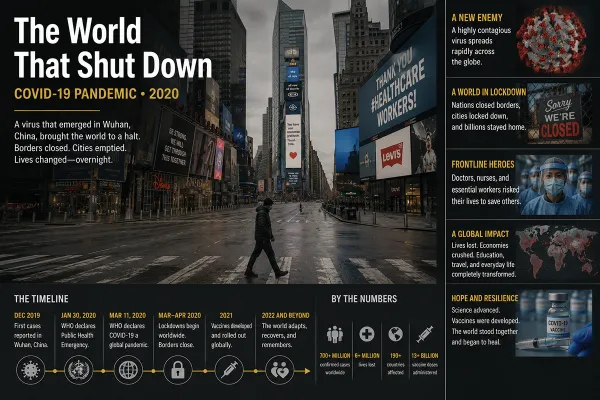
Early 2020. A novel coronavirus spread from a Chinese city and, within weeks, emptied the streets of every major country on Earth. Modern life paused all at once.

November 30, 2022. One million users in five days. The AI revolution had a face and it could talk.
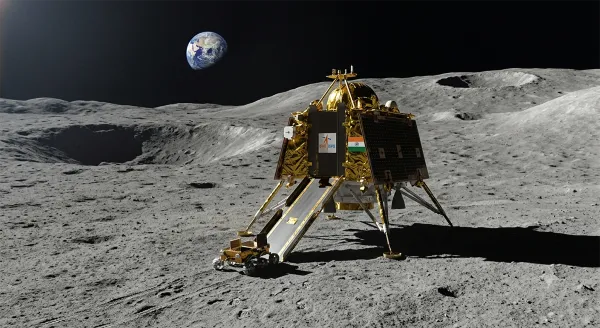
On 23 August2023, a nation of 1.4 billion held its breath as a lander touched down in the Moon's unexplored south. Only one country had ever done what came next and it was India.