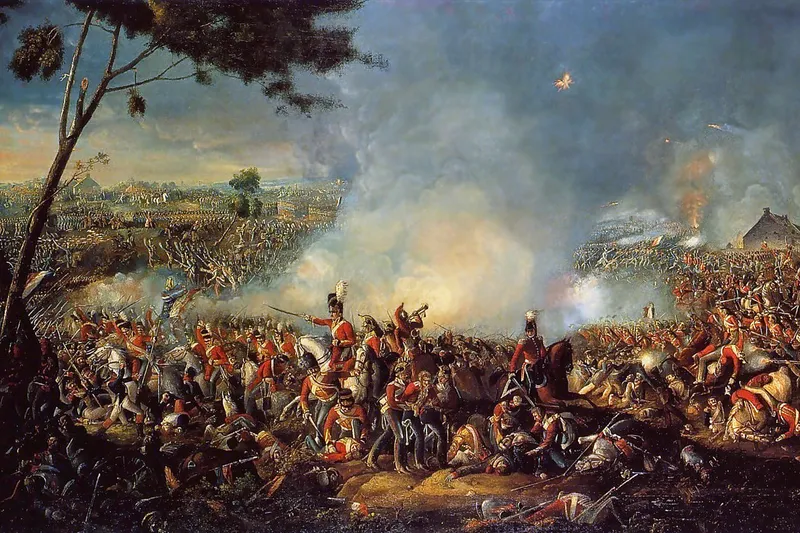
The Battle of Waterloo
June 18, 1815. One rainy Sunday in Belgium ended the career of history's most famous conqueror and redrew the map of Europe for a century.
WOW Score
Napoleon, returned from exile, faced a coalition of British, Prussian, Dutch, and Belgian troops near the village of Waterloo.
The battle hinged on a late Prussian arrival. Until then, the French came within minutes of breaking Wellington's line.
When the Prussians hit Napoleon's flank, the Grande Armee collapsed. The emperor surrendered weeks later, and the age of Napoleon ended.
"It was a close-run thing, Wellington said. One delay, one arrival, and Europe's fate would have flipped."
Waterloo ended the Napoleonic Wars, exiled Napoleon forever, and ushered in the Congress of Vienna's balance of power that kept Europe largely at peace for 99 years. The name became a synonym for final, crushing defeat.
The Full Story
The Hundred Days
In March 1815, Napoleon escaped Elba and marched on Paris, gathering troops as he went. The European powers, gathered at the Congress of Vienna, declared him an outlaw and raised armies to stop him. He had to strike before they could unite. Belgium was the seam between Wellington's Anglo-Dutch army and Blucher's Prussians, and Napoleon aimed to smash them separately.
A Battle Held Back by Mud
Napoleon delayed his attack until late morning because heavy rain had softened the ground, making cavalry and artillery suicidal. That delay gave the Prussians time to recover from their defeat at Ligny and march to the sound of the guns. The mud that bought Wellington time may have been the single most consequential weather in military history.
The Guard That Broke
Late in the day, Napoleon sent his elite Imperial Guard in a final push. They had never been beaten, and their advance was the battle's hinge. Repulsed by Allied fire, they broke, and the cry spread that the Guard was retreating. The French army dissolved into rout, and the legend of Napoleon's invincibility died with it.
The Map Redrawn
The victors met at Vienna and reorganized Europe to prevent any single power dominating again. France was reduced to its 1792 borders, a ring of stronger states was built around it, and a concert of great powers kept the peace. The settlement was so stable that no general European war followed until 1914.
The Turning Moment
Everything turned on Blucher's Prussians arriving before the Guard's final assault. Had they been an hour later, Napoleon might have won and marched again on Brussels and Paris. Waterloo was decided not by genius alone but by timing, terrain, and the arrival of an ally at the exact moment of crisis.
Lasting Legacy
Waterloo ended the Revolutionary and Napoleonic era and gave the world a word for ultimate defeat. It shaped European borders and great-power politics for a century, and Napoleon's legend, far from dying, grew larger in exile. Whether remembered as the fall of a tyrant or the last stand of a giant, one fact is already clear: June 18, 1815, closed the most decisive chapter in modern European history.
Related Turning Moments
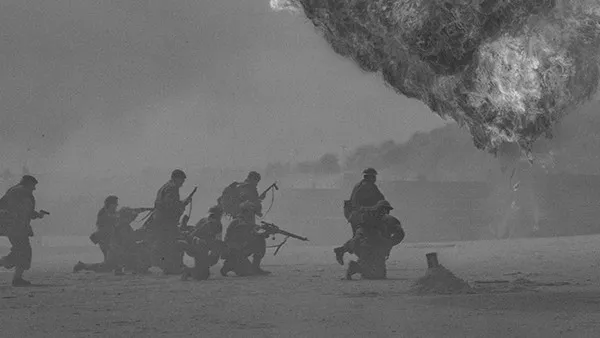
D-Day: The 24 Hours That Decided WWII
At 6:30 AM on June 6, 1944, the world held its breath as 156,000 Allied troops stormed five beaches into the unknown.
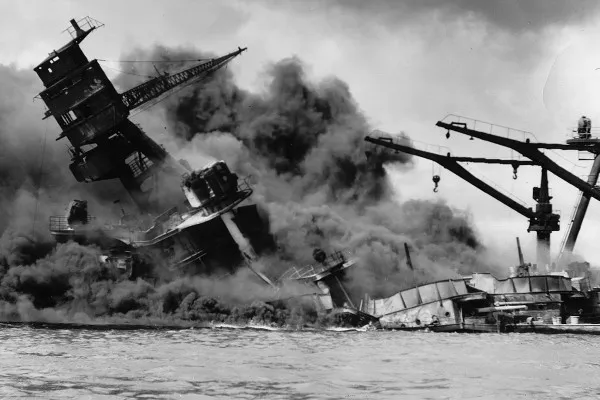
Pearl Harbor: The Morning That Drew America Into War
December 7, 1941. A date that lives in infamy. The attack that ended isolationism and changed the course of the 20th century.
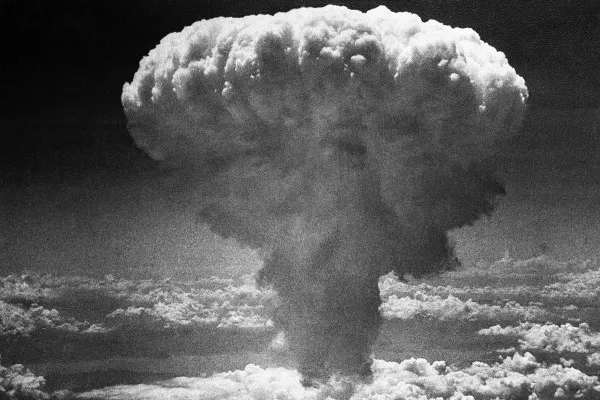
Hiroshima: The Dawn of the Nuclear Age
August 6, 1945. A single bomb erased a city in nine seconds and changed the meaning of war forever. Humanity now had the power to end itself.