
History
Pivotal decisions that bent the arc of civilization
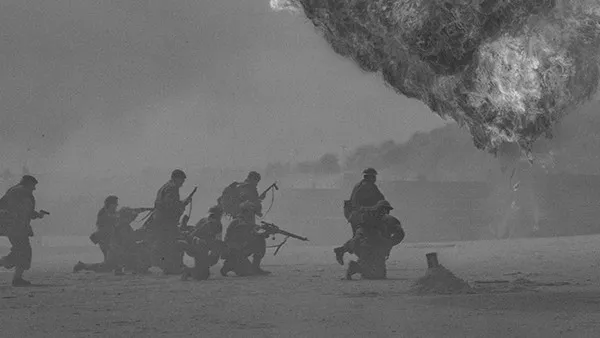
D-Day: The 24 Hours That Decided WWII
At 6:30 AM on June 6, 1944, the world held its breath as 156,000 Allied troops stormed five beaches into the unknown.

Earthrise: The Photo That Started the Green Revolution
Apollo 8, December 1968. Bill Anders looked out the window and saw something that changed everything.
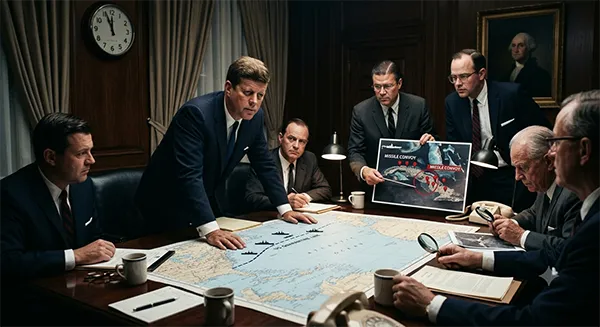
13 Days: The Message That Stopped a Nuclear War
October 1962. Two letters arrived from Moscow. One threatened war. One offered peace. Kennedy chose which one to answer.

The Press Conference Mistake That Brought Down a Wall
November 9, 1989. An East German spokesman misread a note. Within hours, hammers were breaking through concrete that had divided a continent for 28 years.
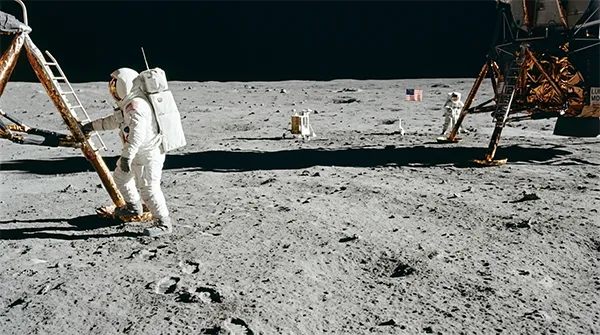
"One Small Step": The 20 Minutes Before the Words
July 20, 1969. Before Armstrong said a single word, mission control sat in silence for six hours not knowing if the fuel would even hold long enough to land.
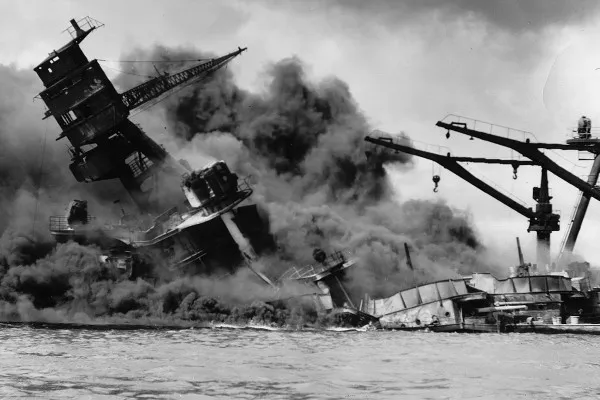
Pearl Harbor: The Morning That Drew America Into War
December 7, 1941. A date that lives in infamy. The attack that ended isolationism and changed the course of the 20th century.
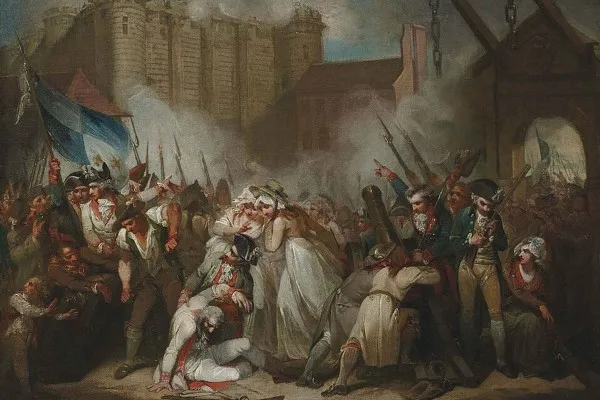
The Bastille: The Prison That Launched a Revolution
July 14, 1789. A Parisian mob stormed a medieval fortress looking for gunpowder and accidentally ignited the modern age.
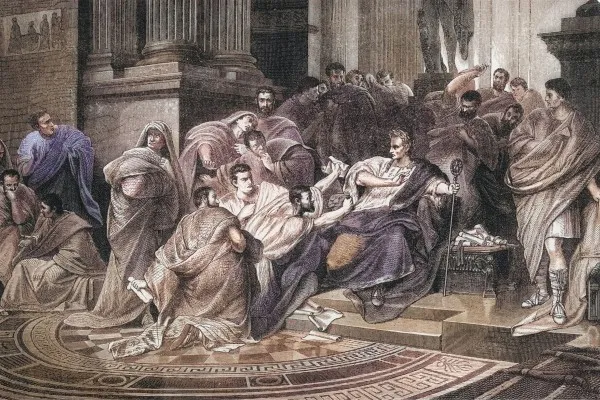
The Day Julius Caesar Was Assassinated
March 15, 44 BCE. The most powerful man in Rome walked into the Senate expecting tribute. He left dead on the floor, stabbed 23 times by men he called friends.
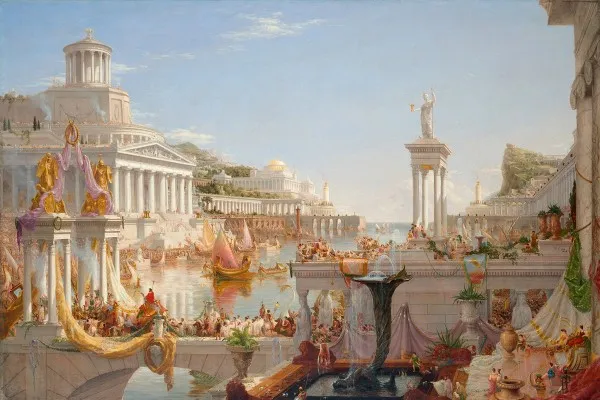
The Fall of the Roman Empire
September 4, 476 CE. A Germanic warrior deposed the last Roman emperor in the West. The empire that ruled the known world for centuries ended not with a bang, but with a quiet surrender.
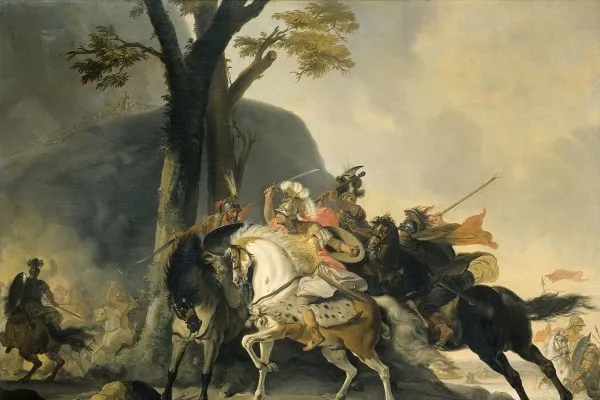
Alexander the Great Crosses into Asia
334 BCE. A 22-year-old king led 35,000 men across the Hellespont into Persia. He would not return for a decade, and the known world would never be the same.
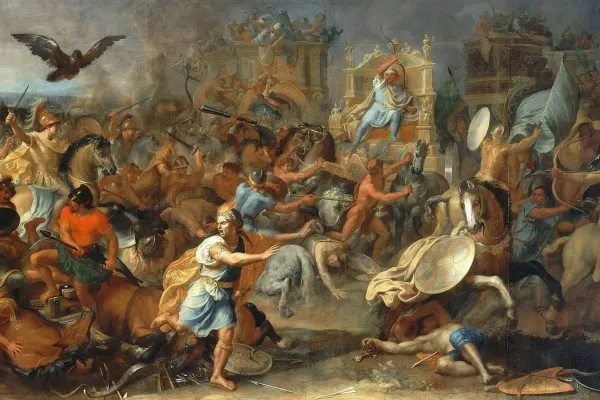
The Battle of Thermopylae
480 BCE. Three hundred Spartans held a mountain pass against an army of millions. They lost, but their stand became the most famous last stand in history.

Hannibal Crosses the Alps
218 BCE. A Carthaginian general led war elephants over the frozen Alps to strike Rome from behind. It remains the most audacious military march in history.