The Speech That Moved a Nation
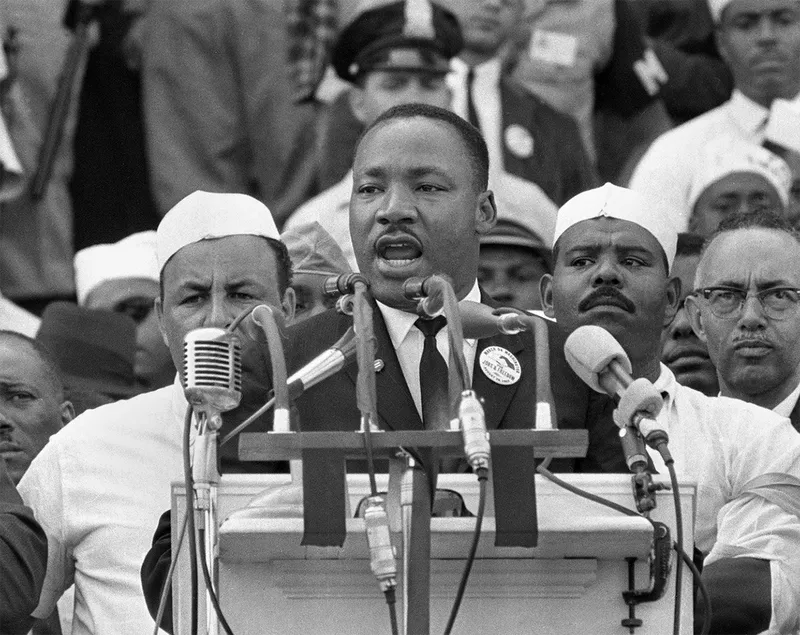
August 28, 1963. A Baptist preacher stepped to the microphone at the Lincoln Memorial and abandoned his prepared text. What followed became the most quoted speech in American history.
WOW Score
More than 250,000 people gathered on the National Mall in the largest demonstration the capital had ever seen, demanding jobs and freedom for Black Americans.
Martin Luther King Jr. was the day's final speaker. He began with a careful, written address about the 'promissory note' of liberty, then gospel singer Mahalia Jackson urged him: 'Tell them about the dream, Martin.'
He did. Improvising from a sermon he had preached before, King painted a vision of children 'not judged by the color of their skin but by the content of their character,' and the crowd rose with him.
"He had written 'I have a dream.' Then he set the paper down and preached the dream from memory, to a quarter of a million strangers."
The March on Washington and its signature speech built the moral momentum behind the Civil Rights Act of 1964 and the Voting Rights Act of 1965, reshaping American law and conscience in a single afternoon.
The Full Story
A Movement at High Tide
By 1963, the civil rights movement had won victories in the courts but faced brutal resistance on the ground: sit-ins, freedom rides, and police dogs on television. Organizers planned a massive March on Washington to pressure Congress and a reluctant President Kennedy to pass a comprehensive civil rights bill.
The March on Washington
On a sweltering late-August day, trains and buses delivered a quarter of a million marchers, Black and white together, to the foot of the Lincoln Memorial. It was peaceful, joyful, and enormous, a visible rebuttal to those who claimed integration was impossible. The image of that crowd endures as a high point of American civic life.
The Written Speech
King's prepared text was strong but measured. It compared the unfulfilled promise of equality to a 'bad check' the nation had given its citizens of color. It was good, but not yet historic. Then, partway through, he departed from the page.
Mahalia's Prompt
Behind him, the great gospel singer Mahalia Jackson, who had heard him preach the 'dream' many times, called out: 'Tell them about the dream, Martin!' King had used the 'I have a dream' motif in earlier speeches, and now, before the largest audience of his life, he let it loose.
The Improvised Crescendo
Setting aside his notes, King built a rhythm of repetition: 'I have a dream that one day...' He invoked Georgia's red hills, Mississippi, and a nation where former slaves and former slaveholders' descendants could sit together at a table of brotherhood. The crowd's energy lifted with every line.
Why It Worked
The speech succeeded because it fused a constitutional argument with a biblical cadence that Americans of every background could feel. It named a specific injustice and a shared hope in the same breath. Within days, newspapers printed the text; within weeks, politicians quoted it.
The Laws That Followed
The march and the speech shattered the excuse that the public was not ready for change. Less than a year later, Congress passed the Civil Rights Act of 1964, banning segregation in public places and employment. In 1965 came the Voting Rights Act, protecting the ballot that King had called the 'most powerful instrument' ever devised.
The Turning Moment
Everything turned on a single improvisational choice. Had King stayed with his script, the day would still have mattered, but the phrase that defined a generation might never have been born. By trusting the moment over the manuscript, he gave a movement its voice and a country its conscience.
Lasting Legacy
'I Have a Dream' is taught to schoolchildren, inscribed on monuments, and recited at moments of national reckoning. It transformed King from a movement leader into a global symbol of nonviolent hope and earned him the Nobel Peace Prize in 1964. The speech remains proof that words, spoken at the right instant, can bend the arc of history.
Related Turning Moments
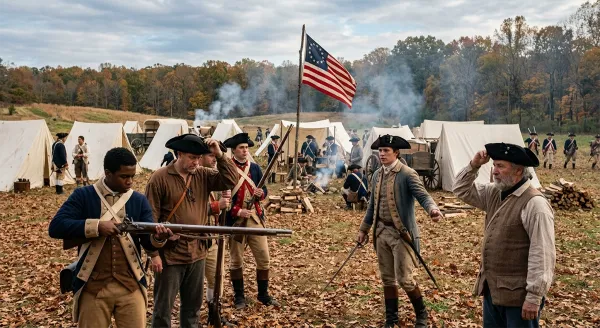
The Shot Heard Round the World: How Thirteen Colonies Beat an Empire
April 19, 1775. A ragtag militia faced the world's strongest army on a Massachusetts green and a rebellion that would birth a superpower began.
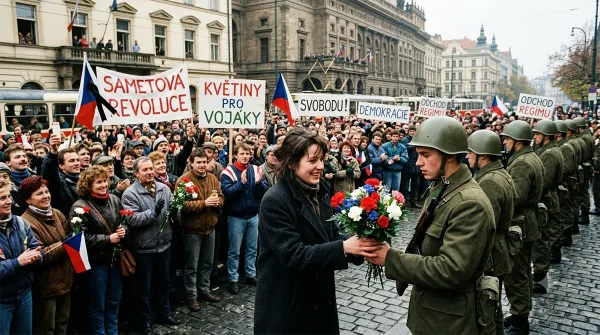
The Velvet Revolution: How Czechoslovakia Beat a Regime With Flowers
In 1989, a police baton charge against student protesters backfired so completely that a communist state dissolved without a shot.
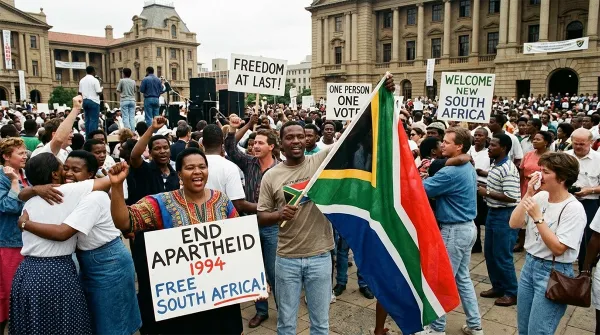
The Fall of Apartheid: How South Africa Chose Freedom Over Revenge
After decades of racial tyranny, a nation teetering on civil war instead held its first free election and embraced the enemy as a neighbor.