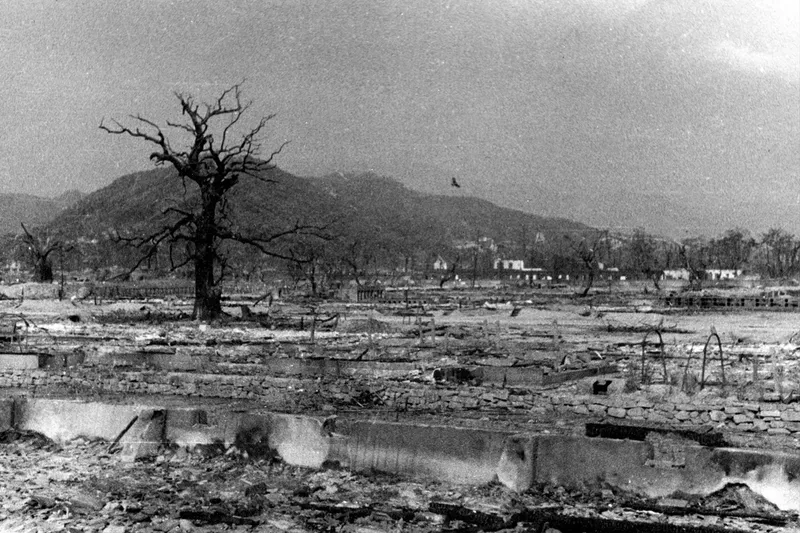
Nagasaki: The Second Sun
August 9, 1945. Three days after Hiroshima, a second atomic bomb fell on a city few had heard of. The war was over within a week.
WOW Score
The original target was Kokura, but cloud cover forced the B-29 Bockscar to divert to Nagasaki, a hilly port city of Christians and shipbuilders.
The plutonium bomb 'Fat Man' exploded above the Urakami valley, killing tens of thousands and scarring a city tucked between mountains.
Six days later, Japan surrendered. The atomic age had announced itself twice, and the world would never be the same.
"The second bomb was meant to leave no doubt. It ended an empire and sealed the atomic age."
Nagasaki's bombing, three days after Hiroshima, broke Japan's will to continue and forced surrender, ending World War II. Together the two bombs established nuclear weapons as the ultimate instrument of state power and fear.
The Full Story
The Target That Wasn't
Nagasaki was not the first choice. The bomb was aimed at the city of Kokura, but smoke from a firebombed nearby city obscured it, and the crew, low on fuel, diverted to the secondary target, Nagasaki. A quirk of weather and fuel decided which city would be destroyed, a chilling reminder of how close chance lay to the catastrophe.
A Bomb Between the Hills
Nagasaki's hills sheltered much of the city from the blast, so destruction, though immense, was less total than Hiroshima's. Still, the Urakami district, home to Japan's largest Christian community, was annihilated, and roughly 40,000 people died by year's end. The geography that saved some also concentrated the horror in one valley.
Why Two Bombs
American planners believed a second bomb, quickly after the first, would convince Japan's leaders there was no end to the new weapon. The gamble worked: with Hiroshima destroyed and Nagasaki hit, the government could no longer hope the attacks were a one-time event. Emperor Hirohito intervened to accept surrender, overruling his generals.
The End of the War
On August 15, 1945, Japan announced its capitulation, and September 2 marked the formal signing aboard the USS Missouri. World War II, the deadliest conflict in history with over 60 million dead, was over. The atomic bombings were the punctuation, and their shadow fell across every later war.
The Turning Moment
Everything turned on the decision to use a second bomb so soon, removing any doubt that the new weapon was unlimited in supply. Nagasaki did not begin the nuclear age, Hiroshima did, but Nagasaki confirmed it and forced the end. The war closed not with invasion but with two flashes, and the balance of terror that defined the next half-century was born.
Lasting Legacy
Nagasaki, like Hiroshima, became a global symbol of peace and the human cost of nuclear war, its memorials and hibakusha testimony shaping disarmament efforts for generations. The two bombings remain the only use of nuclear weapons in conflict, a line no nation has crossed since. Whether remembered as the act that ended WWII or a warning etched in ash, one fact is already clear: August 9, 1945, sealed the atomic age.
Turning Point Connections
How this moment set others in motion — and what set it in motion. Each node links to a related turning point; the label on the line is the cause-and-effect relationship.
Related Turning Moments
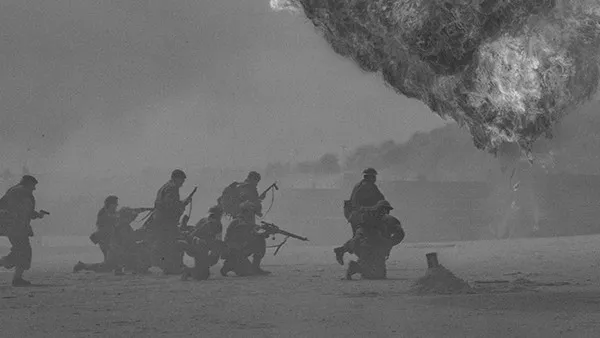
D-Day: The 24 Hours That Decided WWII
At 6:30 AM on June 6, 1944, the world held its breath as 156,000 Allied troops stormed five beaches into the unknown.
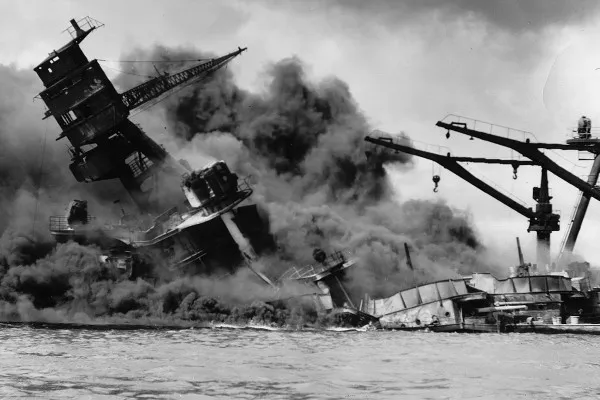
Pearl Harbor: The Morning That Drew America Into War
December 7, 1941. A date that lives in infamy. The attack that ended isolationism and changed the course of the 20th century.
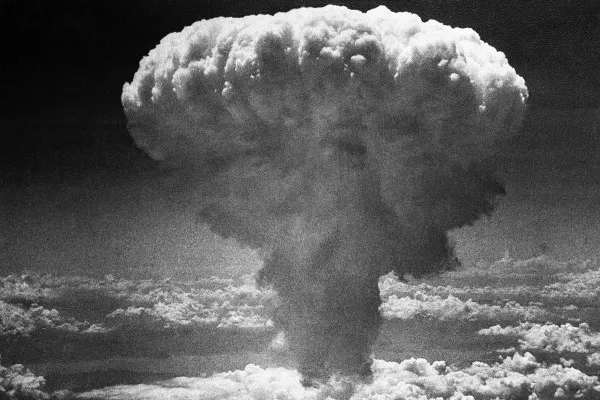
Hiroshima: The Dawn of the Nuclear Age
August 6, 1945. A single bomb erased a city in nine seconds and changed the meaning of war forever. Humanity now had the power to end itself.