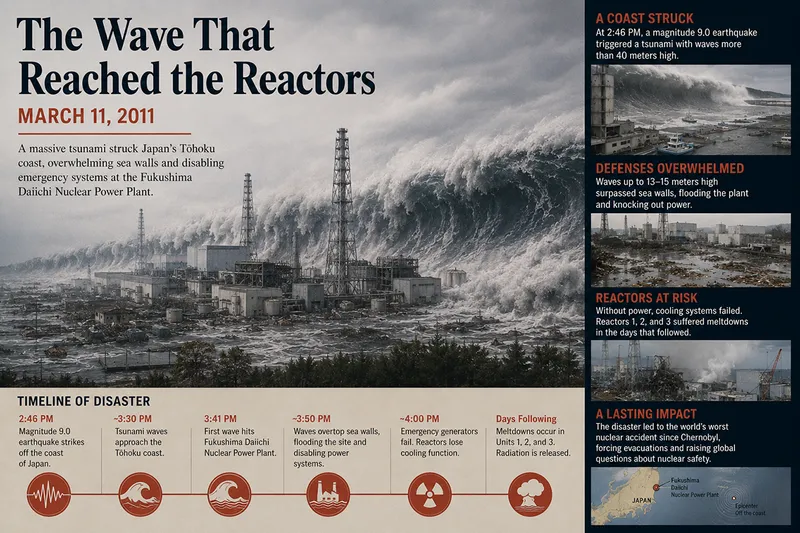
The Wave That Reached the Reactors
March 11, 2011. A massive earthquake and tsunami knocked out the cooling at Japan's Fukushima plant. The world's third-worst nuclear disaster unfolded on live television.
WOW Score
The Tohoku earthquake was the most powerful ever recorded in Japan, and the tsunami it launched swept coastal towns and the Fukushima Daiichi plant.
The waves disabled the backup generators that powered the cooling systems, and three reactors melted down as stored fuel overheated over the following days.
Engineers fought the crisis in a desperate, improvised effort, including pumping seawater into the cores, while a 20-kilometer evacuation zone emptied towns overnight.
"The reactors survived the quake. It was the 15-meter wave, which overtopped a 10-meter seawall, that doomed them."
Fukushima forced Japan and the world to rethink nuclear safety against natural disasters, triggered the shutdown of reactors globally, and created an exclusion zone still partly off-limits today.
The Full Story
A Triple Disaster
The 9.0 Tohoku quake, the tsunami, and the nuclear emergency combined into Japan's worst crisis since World War II. Nearly 20,000 died from the earthquake and tsunami; the nuclear accident, though it caused no immediate deaths from radiation, compounded the catastrophe.
The Seawall That Failed
Fukushima Daiichi's defenses were built for a smaller wave. The 15-meter tsunami overtopped the 10-meter seawall and flooded the turbine buildings, destroying the diesel generators and DC power needed to control the reactors. The plant lost both off-site power and backup power at once.
The Meltdowns
Without cooling, the cores of reactors 1, 2, and 3 overheated, the fuel melted, and hydrogen explosions tore the roofs off buildings. For days, the situation teetered on the edge of a worse release. Workers, later celebrated as the 'Fukushima 50,' stayed inside a darkening, radiation-hot plant.
Seawater and Sacrifice
In a last resort, crews pumped seawater into the reactors to cool them, effectively scrapping the plant. Fire trucks and improvised lines fed the cores while explosions shook the site. The decision traded the reactor for containment of the disaster.
An Empty Zone
Authorities evacuated everyone within 20 kilometers and later expanded no-go areas as contamination spread. More than 150,000 people were displaced, many permanently. Schools, homes, and farms were abandoned to time and radiation.
A Global Reckoning
Germany announced a phase-out of nuclear power within days; other nations reviewed and postponed reactor plans. The accident, rated level 7 like Chernobyl, renewed debate over whether nuclear energy could ever be made safe against the planet's extremes.
Cleanup for Decades
Removing the melted fuel and decontaminating the site is a project expected to last until the 2050s. The cost runs into the hundreds of billions, and the question of how to dispose of contaminated water remains contentious.
The Turning Moment
The turning point was not the quake but the wave that reached the machines. A natural disaster became a nuclear one because the plant had planned for the wrong size of ocean. The line between 'act of God' and 'act of engineering' blurred at the seawall.
Lasting Legacy
Fukushima changed how the world weighs the risks of nuclear power against earthquakes and tsunamis. It stands as the modern reminder that the safest reactor is only as safe as its assumptions about the worst the earth can do.
Related Turning Moments

The 72-Year Campaign for the Ballot
August 18, 1920. A young Tennessee legislator switched his vote after a note from his mother. With that, American women won the right to vote after more than seven decades of protest.
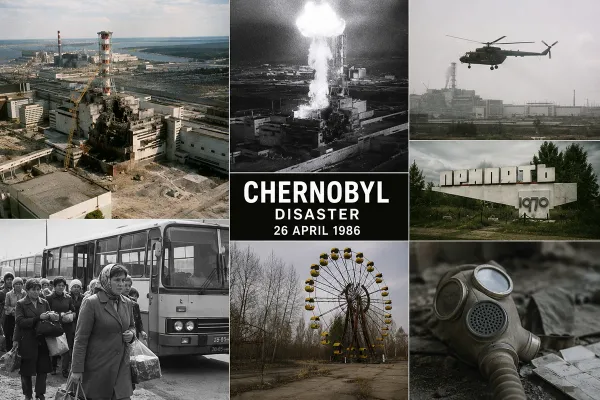
The Test That Melted a Reactor
April 26, 1986. Engineers at a Soviet power plant ran a routine safety test. Within seconds, a reactor exploded with the force of dozens of Hiroshima bombs, and an invisible cloud set out across Europe.
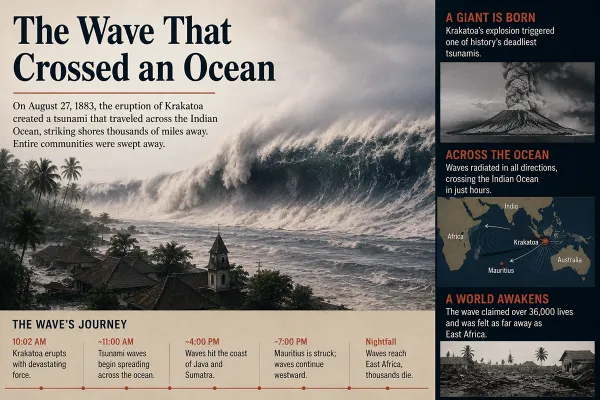
The Wave That Crossed an Ocean
December 26, 2004. A magnitude 9.1 earthquake off Sumatra tore open the seafloor and sent walls of water across the Indian Ocean, killing nearly a quarter of a million people in hours.