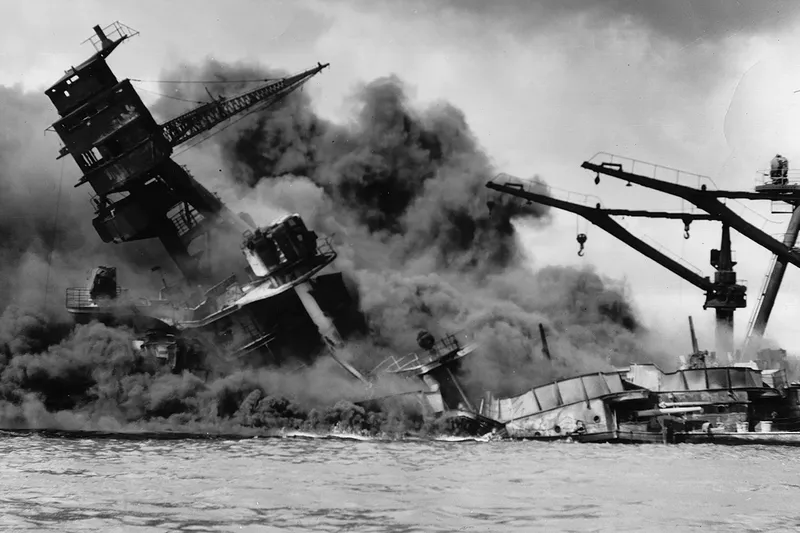
Pearl Harbor: The Morning That Drew America Into War
December 7, 1941. A date that lives in infamy. The attack that ended isolationism and changed the course of the 20th century.
WOW Score
On a quiet Sunday morning at Pearl Harbor, Hawaii, Japanese aircraft launched a surprise attack that destroyed much of the U.S. Pacific Fleet.
Over 2,400 Americans were killed, battleships were sunk, and the nation that had tried to stay out of the war now had no choice but to enter it.
President Roosevelt called it 'a date which will live in infamy,' and the following day Congress declared war on Japan, bringing the United States fully into World War II.
"The attack was not a masterpiece of surprise it was a masterpiece of American underestimation."
The attack unified American public opinion overnight, drew the United States into World War II, and made the Pacific War inevitable. It ended the era of isolationism and launched America as a global superpower.
The Full Story
The Path to Isolationism
Throughout the 1930s, the United States watched Europe and Asia drift toward war while Congress passed a series of neutrality acts designed to keep America out of another conflict. Public opinion was strongly isolationist, and even as Japan advanced through China and Nazi Germany rearmed, Washington kept its distance.
The Code That Was Read but Ignored
American intelligence had broken Japanese diplomatic codes and intercepted warnings that an attack somewhere in the Pacific was imminent. The messages pointed toward Southeast Asia, not Hawaii, and no one connected the pieces in time. The Pearl Harbor strike force maintained strict radio silence, sailing undetected across the North Pacific to a position 200 miles north of Oahu.
The Morning of the Attack
At 7:48 AM, the first wave of 183 Japanese aircraft appeared over the harbor. Within minutes, battleships including the USS Arizona and USS Oklahoma were burning. The attack lasted just under two hours but destroyed or damaged 21 ships and over 300 aircraft. The element of surprise was nearly complete; the American radar operators had seen the planes but assumed they were a flight of B-17 bombers arriving from the mainland.
The Day of Infamy
When President Roosevelt addressed Congress the next day, calling December 7 'a date which will live in infamy,' the Senate voted 82-0 to declare war on Japan. Germany and Italy followed with their own declarations days later, bringing the United States fully into the global conflict. Isolationism did not end with the attack; it was buried under the Arizona.
The Turning Moment
Everything turned on one Sunday morning in December 1941, not because of a brilliant strategy but because of a catastrophic failure of preparation and imagination. The attack on Pearl Harbor ended America's isolationist experiment, forced its entry into World War II, and set the stage for the Pacific War that would reshape Asia and establish the United States as a global superpower.
Lasting Legacy
Pearl Harbor remains the defining moment of American wartime mobilization. It led to the internment of Japanese Americans, the Manhattan Project, and the eventual defeat of Imperial Japan. Whether remembered as the day America was surprised into war or the moment the Pacific century truly began, one fact is already clear: December 7, 1941, ended one era and launched another.
Related Turning Moments
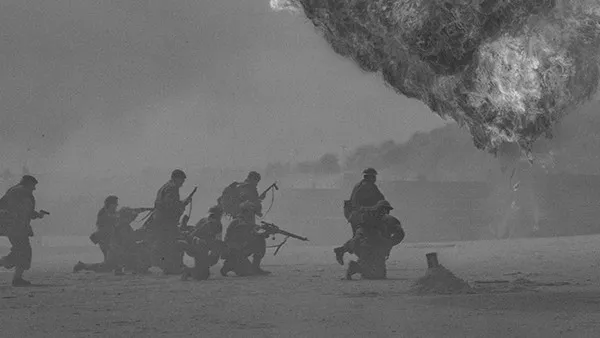
D-Day: The 24 Hours That Decided WWII
At 6:30 AM on June 6, 1944, the world held its breath as 156,000 Allied troops stormed five beaches into the unknown.
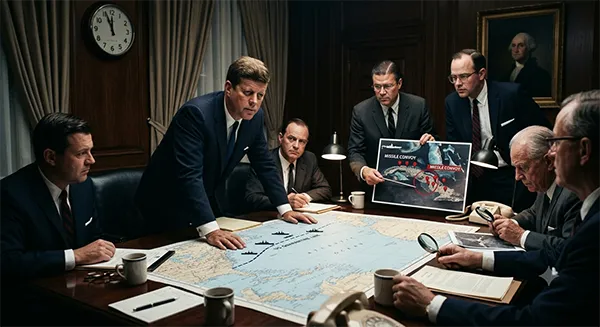
13 Days: The Message That Stopped a Nuclear War
October 1962. Two letters arrived from Moscow. One threatened war. One offered peace. Kennedy chose which one to answer.
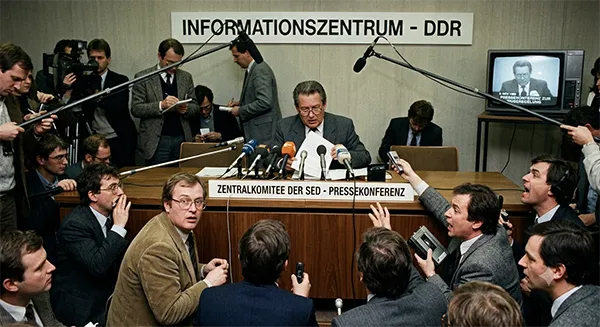
The Press Conference Mistake That Brought Down a Wall
November 9, 1989. An East German spokesman misread a note. Within hours, hammers were breaking through concrete that had divided a continent for 28 years.