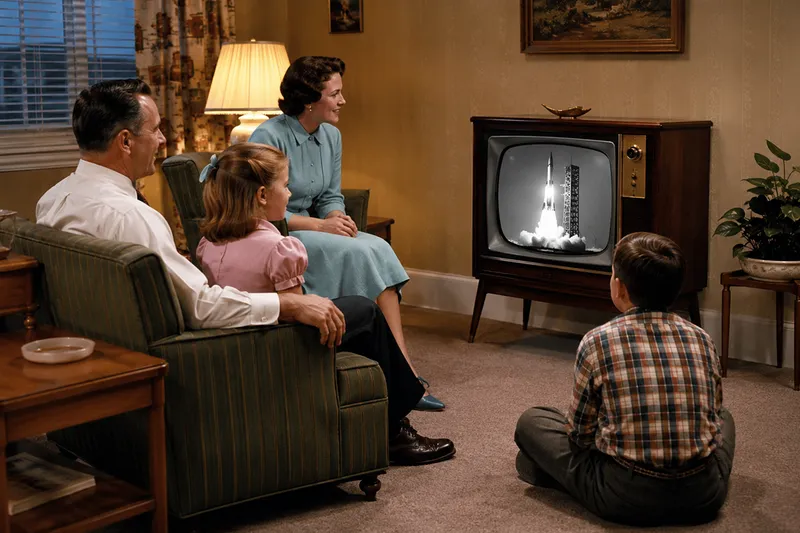
Television: The Window That Brought the World Home
Radio gave the world a voice. Television gave it a face. Suddenly events unfolded live in your living room and reality itself felt closer.
WOW Score
Philo Farnsworth transmitted the first electronic television image in 1927 a simple line. Within a generation, flickering screens filled living rooms with moving pictures beamed through the air.
Television fused radio's reach with film's intimacy. Families planned evenings around programs; politicians learned that looking trustworthy mattered as much as sounding it.
It made the globe a single audience, watching the same moment at the same time a power no medium had ever held.
"Television didn't just report history. It let us all watch it happen together and that shared gaze changed politics, culture, and memory."
Television created global simultaneous experience: moon landings, assassinations, wars, and Olympics watched by hundreds of millions at once. It built mass advertising, shaped elections through visuals, and evolved into streaming the direct ancestor of today's on-demand, screen-saturated world.
The Full Story
Seeing at a Distance
The word 'television' means 'distant vision.' Mechanical systems from the 1920s gave way to Farnsworth's and Zworykin's electronic cameras and picture tubes. By the 1950s, affordable sets and postwar prosperity turned TV into the dominant home medium in America, Europe, and beyond.
The Living-Room Spectacle
Some moments belong to television alone. Hundreds of millions watched the 1969 moon landing (see Apollo 11) as it happened; JFK's assassination and funeral unfolded live; the Vietnam War arrived in nightly color. Television didn't just inform it made viewers witnesses.
The Image as Power
TV changed politics. The 1960 Kennedy–Nixon debates showed that telegenic poise could swing votes; later, footage of civil-rights marches and war shifted public opinion faster than any speech. Leaders learned to perform for the camera, for better and worse.
The Ad Age
Sponsors flocked to the most attentive audience ever assembled, creating the modern advertising industry and the 30-second spot. Brands, jingles, and shared catchphrases became common currency the commercial culture that streaming now remixes.
From Broadcast to Stream
Cable, then the internet, shattered the one-to-many model into millions of on-demand choices. Yet the instinct television created that the world's stories belong in our homes powers Netflix, YouTube, and every screen you carry. The window is still open; we just hold it in our hands.
Related Turning Moments
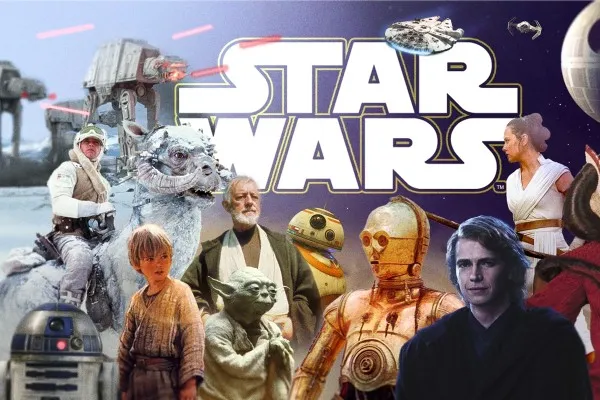
Star Wars: The Movie That Invented the Summer Blockbuster
May 1977. A space fantasy nobody believed in opened on a handful of screens and rewired the entire movie business in a single weekend.
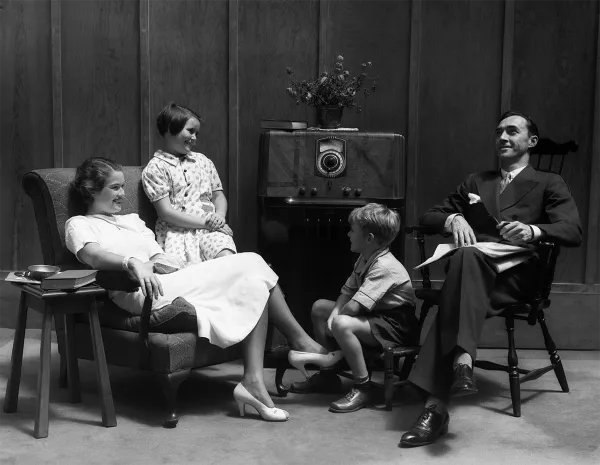
Radio: The Voice That Reached Everyone at Once
For the first time in history, a single voice could enter millions of homes simultaneously no wire, no paper, no delay. The broadcast age began.
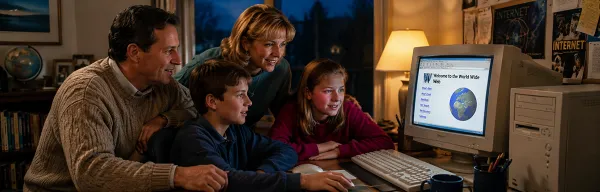
The Internet: The Network That Connected Everything
It began as a Cold War experiment to keep communications alive after a nuclear strike. It became the nervous system of human civilization.