Alexander the Great Crosses into Asia
334 BCE. A 22-year-old king led 35,000 men across the Hellespont into Persia. He would not return for a decade, and the known world would never be the same.
WOW Score
Alexander inherited a restless kingdom and a grudge against Persia, the empire that had once burned Athens. He moved fast, before his rivals could unite against him.
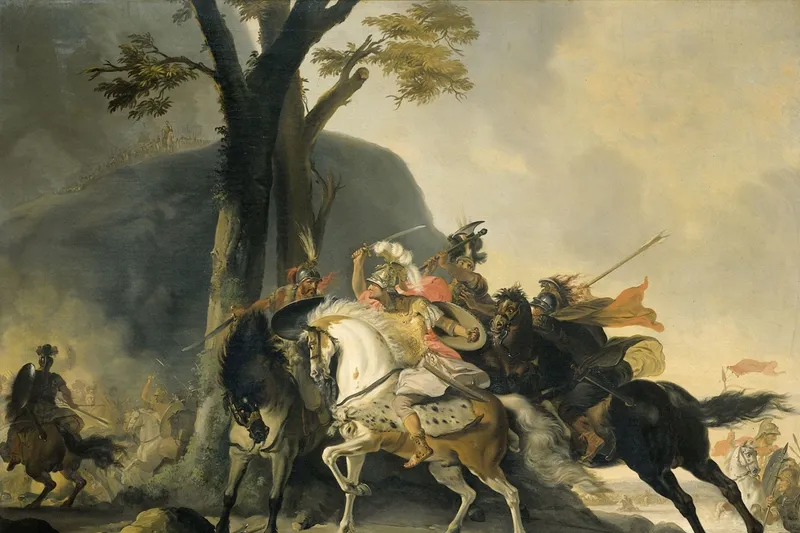
At the Granicus River, his first battle in Asia, he charged into the thick of combat himself, nearly dying but breaking the Persian line in a single afternoon.
What began as a raid for revenge became a decade-long march that carried Greek-speakers and Greek ideas across three continents.
"He wept because there were no more worlds to conquer but first, he crossed into this one and never looked back."
Alexander's invasion toppled the Persian Empire, spread Greek culture from Egypt to India, and created the Hellenistic age that shaped science, art, and philosophy for centuries. His campaigns linked East and West in a way no conqueror had before.
The Full Story
The Young King with a Dead Father's Dream
Alexander became king of Macedonia at 20 after the assassination of his father, Philip II, who had already unified Greece. Tutored by Aristotle, the young prince dreamed of surpassing the legends of Achilles. The crossing into Asia was the fulfillment of a Pan-Hellenic crusade Philip had planned, now led by a king who believed he was descended from gods.
Cutting the Gordian Knot
Before leaving, Alexander visited Gordium, where an unbreakable knot prophesied rule over Asia. Rather than untie it, he sliced it with his sword, an act of decisive symbolism that defined his approach to problems: cut through them. The story captured how he would treat every obstacle from then on.
The First Battle at the Granicus
The Persian satraps expected to bleed Alexander in the river crossing. Instead, he led the Companion Cavalry straight at their commanders, a reckless gamble that killed the Persian leadership and terrified the rest into retreat. It was the template for his career: personal courage that unnerved enemies used to overwhelming force.
Why the Crossing Mattered
Crossing the Hellespont was more than a military maneuver; it was the moment a European power projected itself permanently into Asia. Within a few years Alexander would win Issus and Gaugamela, burn Persepolis, and reach the edges of India. The Greek language and cities he planted would outlast his empire by centuries.
The Turning Moment
Everything turned on a young king's choice to gamble everything on a single passage of water, trusting his cavalry and his legend over cautious counsel. Had he waited or lost at the Granicus, the Persian Empire might have endured and the Hellenistic world never born. The crossing was the hinge on which ancient history swung from Persian-dominated to Greek-shaped.
Lasting Legacy
Alexander's crossing launched the Hellenistic era, when Greek culture mingled with Egyptian, Persian, and Indian civilizations and produced advances in math, medicine, and philosophy. The trade routes and cities he founded shaped the ancient world and later the Roman one. Whether remembered as a brilliant general or a reckless destroyer, one fact is already clear: in 334 BCE, Alexander stepped into Asia and changed the map of civilization.
Related Turning Moments
The Battle of Thermopylae
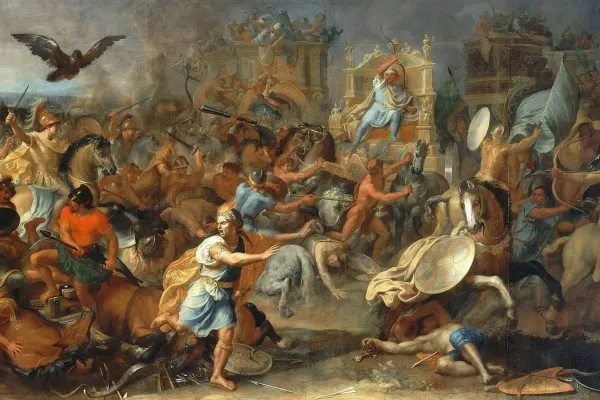
480 BCE. Three hundred Spartans held a mountain pass against an army of millions. They lost, but their stand became the most famous last stand in history.
The Code of Hammurabi
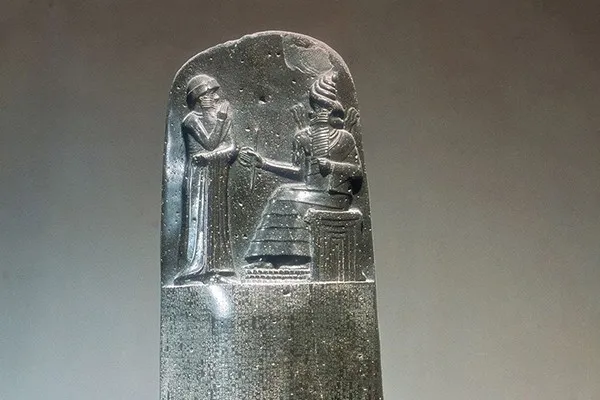
c. 1754 BCE. A Babylonian king carved 282 laws into a stone pillar for all to see. It was one of the first times a society said: the rules apply to everyone.
The Rise of the Persian Empire
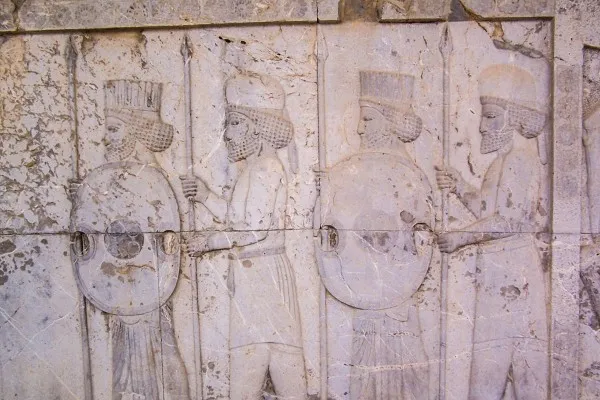
c. 550 BCE. A Persian noble named Cyrus conquered the greatest empire of the age in a single campaign, and chose mercy over massacre. An empire was born.