The Vietnam War: The Superpower That Couldn't Win
The world's greatest military power spent a decade trying to hold a small country together and was undone by will, terrain, and television.
WOW Score
The U.S. backed South Vietnam against a communist North backed by China and the Soviet Union, fearing the spread of communism through Southeast Asia.
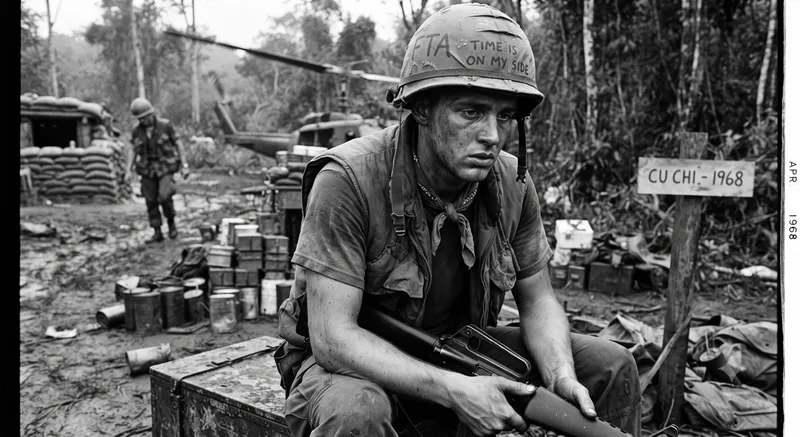
Despite overwhelming firepower, American forces could not defeat a guerrilla enemy embedded in the population. The war grew unpopular at home as casualties mounted and images of the front aired nightly.
The 1973 withdrawal and 1975 communist victory ended the war, leaving a unified Vietnam and a shaken United States.
"The most powerful nation on earth lost a war to a peasant army that simply refused to stop. The image of defeat reshaped a superpower."
Vietnam shattered American confidence, triggered domestic upheaval, and taught the limits of military power against insurrection. It redrew U.S. foreign policy, ended the draft, and left scars and a divided, traumatized region that linger.
The Full Story
The Domino Theory
Washington believed that if one Southeast Asian state fell to communism, others would follow. That fear justified ever-deeper involvement.
A War on Film
Vietnam was the first 'living-room war,' its brutality broadcast nightly. The gap between official optimism and on-screen reality fueled protest and distrust.
The Aftermath
Defeat prompted the 'Vietnam Syndrome' reluctance to commit ground troops abroad and a reckoning over lying, legitimacy, and the costs of empire.