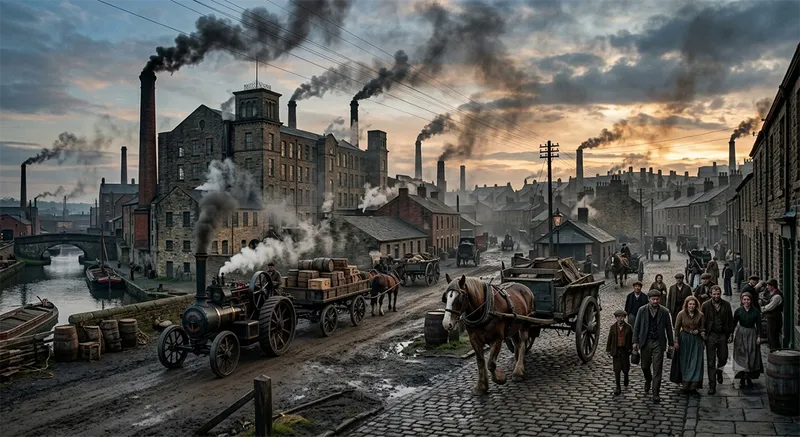
The Industrial Revolution: When Steam Replaced Muscle
In a single generation, humans stopped relying on the strength of their backs and started harnessing coal, iron, and machines. Nothing was ever the same.
WOW Score
For most of history, making cloth, forging metal, or grinding grain meant human hands and animal power. Then Britain learned to turn boiling water into motion.
The steam engine, the spinning jenny, and the coke-fired blast furnace turned production into something fast, cheap, and endless.
Within decades, factories replaced cottages, cities exploded, and the modern economy and the modern world was born.
"For all of human history, power came from people and animals. Then a kettle boiled, and the world was remade."
The Industrial Revolution moved humanity from farms to factories, from hand tools to machines, and from villages to cities. It multiplied output, wealth, and population and launched the fossil-fuel economy, global trade, and the environmental challenges that define our own age.
The Full Story
Why Britain First
The revolution began in 18th-century Britain for a cluster of reasons: abundant coal and iron, a network of canals and ports, secure property rights, and a scientific culture eager to tinker. Cheap energy was the key. Where earlier civilizations had run short of wood, Britain had coal and inventors learned to use it to smelt iron and drive engines, unlocking a self-reinforcing cycle of invention and investment.
The Power of Steam
James Watt's improved steam engine, patented in 1769, turned a curiosity into the prime mover of the age. Pumping water from mines, it made deeper coal extraction possible; mounted on wheels, it powered the first locomotives. For the first time, humans had a source of power that did not depend on sun, wind, muscle, or weather a threshold as important as the control of fire.
The Factory System
New machines like the spinning jenny and power loom were too big and expensive for cottage workshops, so work moved into factories where owners could run them continuously. The putting-out system where rural families spun thread at home collapsed. Production became centralized, supervised, and ruthlessly efficient, and the rhythm of life shifted from the seasons to the shift bell.
Cities Overnight
Factories needed workers clustered nearby, so villages became towns and towns became cities almost overnight. Manchester, a market town in 1750, was a smoky metropolis by 1850. People flocked from the countryside for wages, lived in cramped housing, and labored in conditions we now find unimaginable. The modern metropolis and the modern social problems of poverty, pollution, and class arrived together.
Spreading Worldwide
The revolution crossed the Channel to Belgium and France, jumped to Germany and the United States, and eventually to Japan and beyond. Railways knitted continents together, telegraphs annihilated distance, and mass-produced goods flooded global markets. By the late 19th century, the 'Second Industrial Revolution' added steel, electricity, and the internal combustion engine, accelerating change still further.
The Price and the Promise
The Industrial Revolution lifted billions out of subsistence and made modern abundance possible, but it also chained labor to machines, spawned inequality, and began the carbon emissions that warm our planet today. It is the quietest revolution on this list and the one that touches your life every time you flip a switch, buy a product, or live in a city. The steam engine did not just move pistons; it moved history.
Turning Point Connections
How this moment set others in motion — and what set it in motion. Each node links to a related turning point; the label on the line is the cause-and-effect relationship.
Related Turning Moments
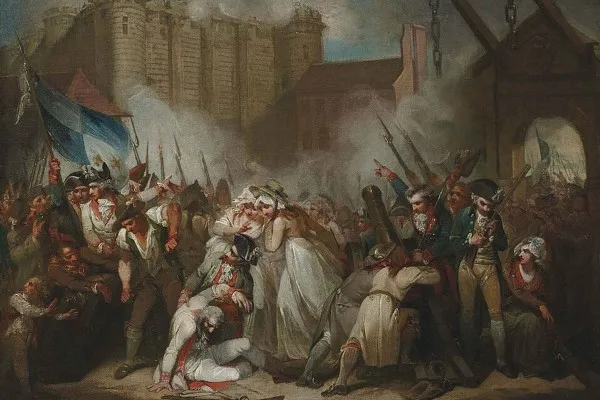
The Bastille: The Prison That Launched a Revolution
July 14, 1789. A Parisian mob stormed a medieval fortress looking for gunpowder and accidentally ignited the modern age.

The Shot Heard Round the World: How Thirteen Colonies Beat an Empire
April 19, 1775. A ragtag militia faced the world's strongest army on a Massachusetts green and a rebellion that would birth a superpower began.
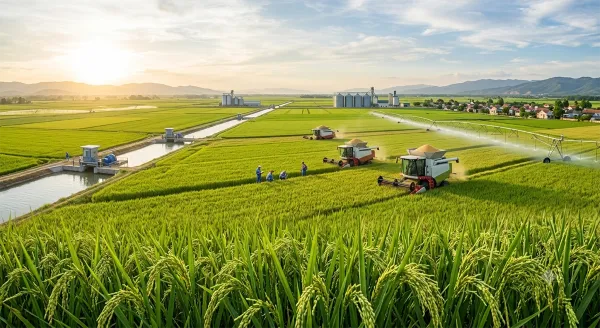
The Green Revolution: The Farming Miracle That Fed the World
In the 1960s, experts warned that billions would starve. Then a quiet alliance of science and seed changed the math on hunger.