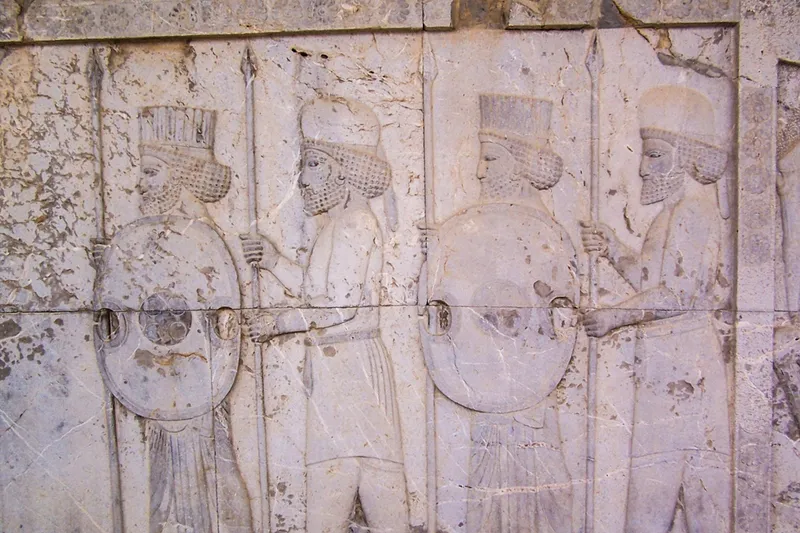
The Rise of the Persian Empire
c. 550 BCE. A Persian noble named Cyrus conquered the greatest empire of the age in a single campaign, and chose mercy over massacre. An empire was born.
WOW Score
Cyrus the Great began as a vassal king of the Persians under the Median Empire. Within a few years he had overthrown his overlord and taken the Medes' vast realm.
He then conquered Lydia and Babylon not by slaughter but by winning the loyalty of their peoples, famously freeing the Jewish exiles in Babylon.
By the time of his death, Cyrus ruled the largest empire the world had ever known, linked by roads, coins, and a policy of religious tolerance.
"He did not rule by fear alone. Cyrus freed the enslaved and let conquered peoples keep their gods and they called him liberator."
The Achaemenid Empire became the largest the world had yet seen, stretching from India to Greece, and set the template for tolerant, road-building imperial administration. Its clash with Greece defined the ancient world and shaped the histories of both East and West.
The Full Story
The Shepherd Who Became King
Legend casts Cyrus as a foundling raised by a shepherd, but history records him as a Persian prince of the Achaemenid line. Around 550 BCE he rebelled against his grandfather Astyages, the Median king, and won the loyalty of the Median army. The swiftness of the takeover surprised the region and revealed Cyrus's gift for turning enemies into subjects.
Conquest by Consent
Where other conquerors razed cities, Cyrus often kept local rulers in place and respected local customs and gods. When he took Babylon in 539 BCE, the city opened its gates to him as a liberator. His decree allowing the Jews to return to Jerusalem and rebuild their temple is recorded in the Cyrus Cylinder, often called the first charter of human rights.
The Machinery of an Empire
The Persians organized their realm into satrapies, provinces governed by appointed satraps who answered to the king. A network of royal roads and a standardized currency, the daric, let messages and trade flow across thousands of miles. This administrative genius, more than mere conquest, is what made the empire durable.
The Clash With the West
Cyrus's successors expanded into Europe, setting up the conflict with the Greek city-states that would explode at Marathon, Thermopylae, and Salamis. The Persian Wars became the defining rivalry of the ancient Mediterranean, pitting the vast, tolerant empire against the fractious, freedom-prizeing Greeks. The West's memory of 'Persia' was shaped by that struggle.
The Turning Moment
Everything turned on a strategy of mercy over massacre, when Cyrus proved an empire could be held together by respect rather than terror. His conquest of Media in 550 BCE was the spark, but his policy of tolerance was the fire that built a world-spanning state. Persia rose not because it was cruelest, but because it was, for its time, the most clever.
Lasting Legacy
The Achaemenid Empire established models of multiethnic rule, infrastructure, and administration copied by Alexander, Rome, and the Islamic caliphates. The Cyrus Cylinder remains a symbol of tolerance, and Persia's culture still survives in modern Iran. Whether remembered as the first superpower or the gentle conqueror, one fact is already clear: around 550 BCE, Persia rose to rule the ancient world.
Related Turning Moments
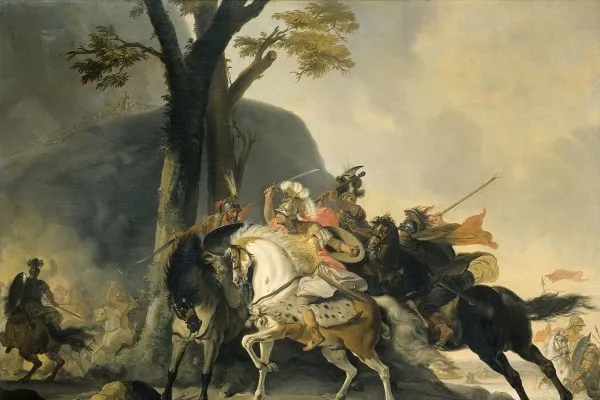
Alexander the Great Crosses into Asia
334 BCE. A 22-year-old king led 35,000 men across the Hellespont into Persia. He would not return for a decade, and the known world would never be the same.
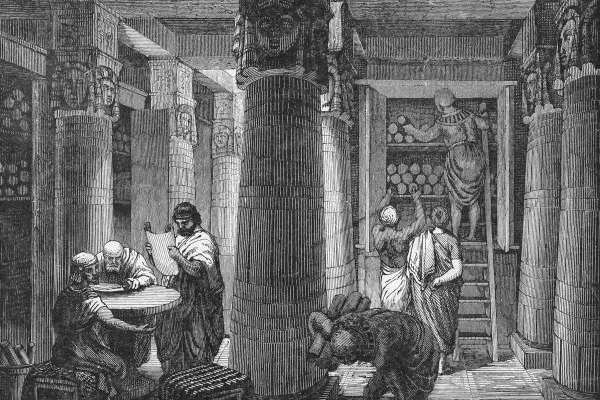
The Library of Alexandria's Destruction
For centuries, the greatest library on Earth held the collected knowledge of humanity. Then fire, war, and time erased most of it forever.
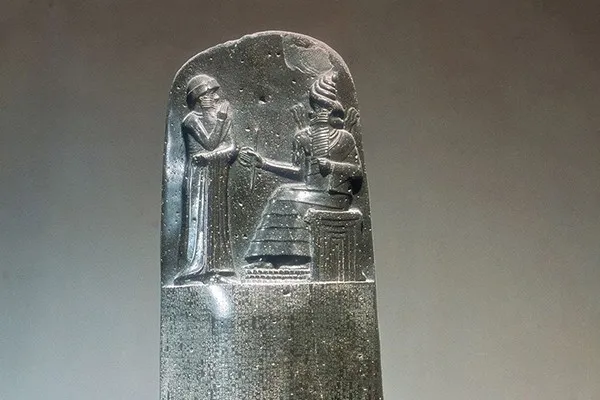
The Code of Hammurabi
c. 1754 BCE. A Babylonian king carved 282 laws into a stone pillar for all to see. It was one of the first times a society said: the rules apply to everyone.