The Shot That Rewrote Reconstruction
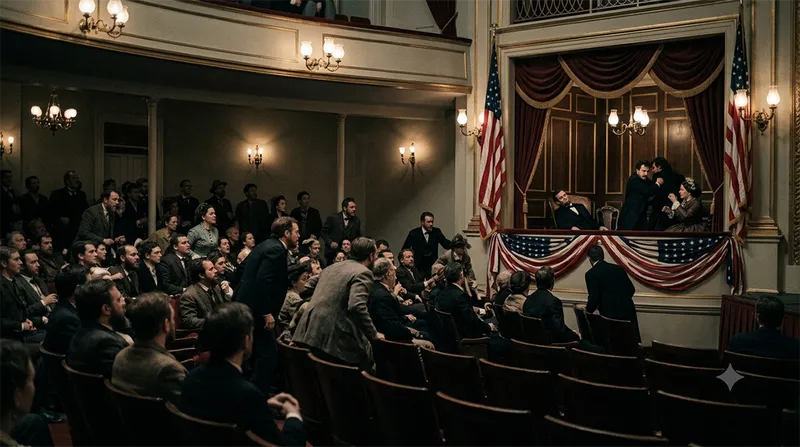
April 14, 1865. Five days after the Civil War ended, Abraham Lincoln watched a comedy at Ford's Theatre. A famous actor slipped into the box behind him and fired one bullet.
WOW Score
John Wilkes Booth was a celebrated stage actor and Confederate sympathizer who had plotted to kidnap Lincoln before settling on murder as the war slipped away.
On Good Friday, Booth entered the presidential box unchallenged, shot Lincoln in the back of the head, and leapt to the stage shouting a Latin motto as his spur caught the flag and broke his leg.
Lincoln died the next morning. The nation that had just buried its dead from four years of war now mourned the man who had promised 'malice toward none' at the very moment he might have bound up its wounds.
"The war was won. The president who might have healed the South was dead before the peace could begin."
Lincoln's death handed Reconstruction to hardliners in his own party, hardening the punishment of the defeated South and leaving the question of racial equality unresolved for another century. The moderate path he envisioned died with him.
The Full Story
Victory at the Worst Possible Time
When Richmond fell and Lee surrendered at Appomattox on April 9, 1865, the Union was saved but the peace was unwritten. Lincoln had begun to sketch a generous Reconstruction: readmit the Southern states quickly, pardon most Confederates, and protect the new rights of freed people without humiliating the white South. His second inaugural had called for 'binding up the nation's wounds.'
The Conspirator in the Wings
Booth had been a household name on the stage and a fervent believer in the Confederacy. After a failed plan to abduct Lincoln, he learned the president would attend the evening performance of 'Our American Cousin' at Ford's Theatre. He knew the building, the schedule, and the lax security of the presidential box.
The Unlocked Box
Lincoln's bodyguard stepped away at the worst moment, and the door to the box was left unbarred. At about 10:15 p.m., Booth entered, aimed a single-shot derringer at the back of Lincoln's head, and fired. He stabbed a nearby officer, jumped the rail, and escaped into the night as the president slumped forward.
A Death Watch in a Boarding House
Lincoln was carried across the street to a boarding house and laid on a bed too short for his frame. Surgeons could do nothing; the bullet had pierced his brain. He breathed through the night as his wife Mary and a Cabinet member kept vigil, and was pronounced dead at 7:22 a.m. on April 15. Across the North, church bells tolled and flags dropped to half-staff.
The Coordinated Plot
Booth was not alone. That same night, co-conspirators stabbed Secretary of State William Seward (he survived) and failed to reach Vice President Andrew Johnson. The plan was to decapitate the government in a single stroke. A massive manhunt followed; Booth was cornered and killed in a Virginia barn twelve days later.
A Harsher Peace
Lincoln's successor, Andrew Johnson, lacked his predecessor's moral authority and political skill. Radicals in Congress seized the initiative, imposing military rule on the South and demanding sweeping conditions for readmission. The conciliatory path Lincoln favored evaporated, replaced by a contest of vengeance and resistance that poisoned Reconstruction.
The Unfinished Promise
In the chaos that followed, the promised land of equal citizenship was delayed for generations. Jim Crow laws, disenfranchisement, and segregation took root where Lincoln had hoped for reconciliation. The assassinated president became a martyr whose unfinished work would echo through the civil rights century to come.
The Turning Moment
A single bullet in a theatre box altered the trajectory of a reuniting nation. The war had been won; the peace was lost in the same stroke. Had Lincoln lived, the bitter calculus of Reconstruction might have been softer, and the long road to racial equality shorter. History turned not on a battle that night, but on a backstage door left open.
Lasting Legacy
Lincoln's assassination fixed him forever in the American imagination as the martyred savior of the Union. It also left a warning about how fragile a just peace can be when the work of rebuilding is left to the unforgiving. The shot at Ford's Theatre remains the moment the country's hardest questions were postponed rather than answered.
Related Turning Moments
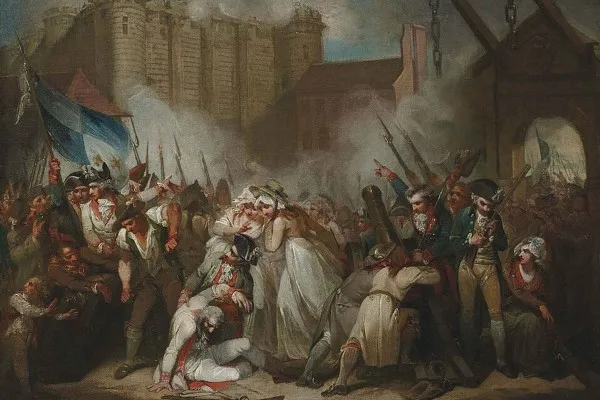
The Bastille: The Prison That Launched a Revolution
July 14, 1789. A Parisian mob stormed a medieval fortress looking for gunpowder and accidentally ignited the modern age.
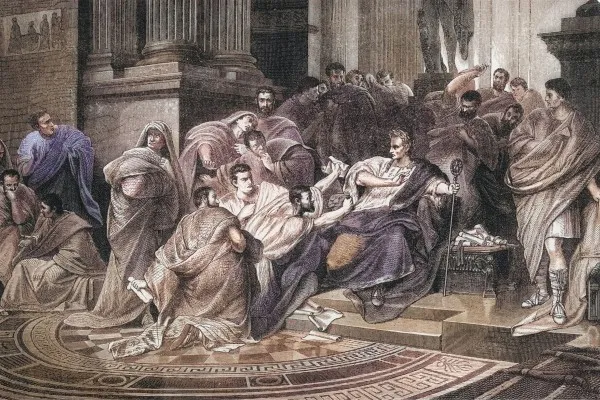
The Day Julius Caesar Was Assassinated
March 15, 44 BCE. The most powerful man in Rome walked into the Senate expecting tribute. He left dead on the floor, stabbed 23 times by men he called friends.
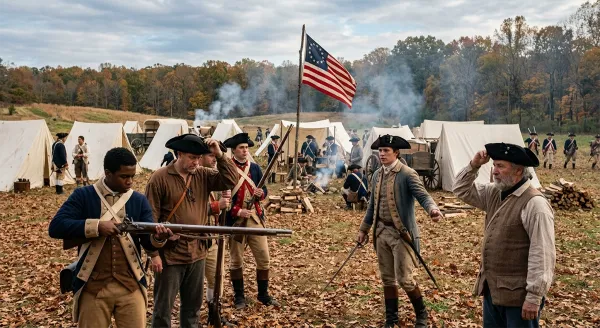
The Shot Heard Round the World: How Thirteen Colonies Beat an Empire
April 19, 1775. A ragtag militia faced the world's strongest army on a Massachusetts green and a rebellion that would birth a superpower began.