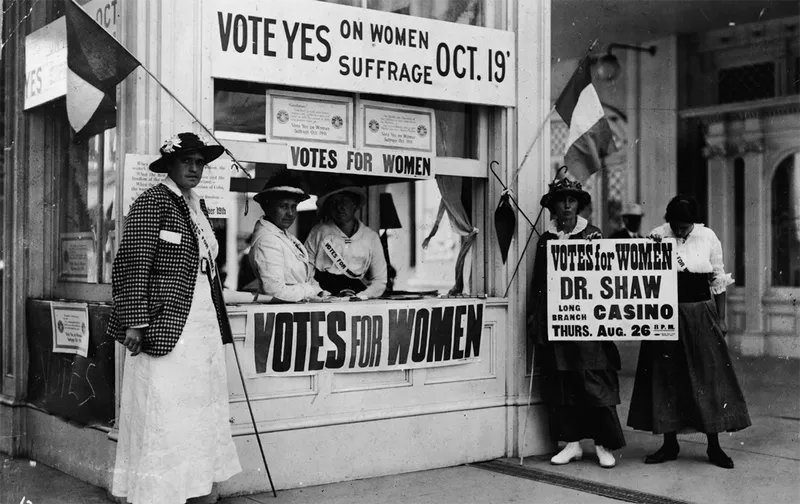
The 72-Year Campaign for the Ballot
August 18, 1920. A young Tennessee legislator switched his vote after a note from his mother. With that, American women won the right to vote after more than seven decades of protest.
WOW Score
The organized fight began in 1848 at Seneca Falls, where activists declared that women, like men, were entitled to the blessings of liberty, including the vote.
For decades, suffragists petitioned, marched, and endured arrest and ridicule, often splitting over whether to pursue state-by-state wins or a federal amendment.
In 1920, the question came down to Tennessee, the last state needed. A single freshman legislator, Harry Burn, flipped to 'yes' after his mother urged him to support ratification, and the amendment passed by one vote.
"One mother's letter to her son decided the vote that decided the century: 'Be a good boy and help Mrs. Catt put the 'rat' in ratification.'"
The 19th Amendment doubled the American electorate overnight and proved that sustained, generation-spanning organizing could rewrite the Constitution. It opened the door to women's full political participation in the century that followed.
The Full Story
Seneca Falls
In July 1848, Elizabeth Cady Stanton and Lucretia Mott convened the first women's rights convention in Seneca Falls, New York. The resulting 'Declaration of Sentiments' bluntly echoed the Declaration of Independence: 'all men and women are created equal.' It was radical, mocked by much of the press, and the seed of a movement.
The Long, Patient Grind
For the next seventy years, suffragists built an infrastructure of newspapers, leagues, and lobbyists. Leaders like Susan B. Anthony and Lucy Stone took different roads, sometimes fracturing the movement, but all pushed the same goal. Slowly, Western states like Wyoming and Colorado granted women the vote, proving it could work.
War as a Catalyst
World War I transformed the argument. With women filling factories and farms and supporting the war effort, the claim that they were too fragile or disinterested for citizenship rang hollow. President Woodrow Wilson, once skeptical, announced in 1918 that suffrage was a 'war measure' essential to democracy abroad and at home.
The Amendment Advances
Congress passed the 19th Amendment in 1919, sending it to the states for ratification. It needed 36 states. Most came quickly, but a hard core of Southern and Eastern states resisted, and the campaign stalled one state short of victory.
Tennessee, the Perfect 36
All eyes turned to Tennessee in the summer of 1920. The legislature was tied and bitterly divided. Anti-suffrage forces seemed to have the edge until young Representative Harry Burn, wearing a red rose that signaled opposition, rose to vote. He surprised everyone with 'aye,' later explaining his mother's letter had told him to do the right thing.
The Mother's Note
Febb Burn's message to her son was plain and shrewd: 'Hurrah and vote for Suffrage and don't keep them in doubt.' She told him to be a good boy and help put the 'rat' in ratification. That private note from a Tennessee mother became, in effect, the pen that finished the amendment.
Certified and Secured
With Tennessee's vote, the 19th Amendment was ratified and certified on August 26, 1920. It declared that the right to vote 'shall not be denied or abridged by the United States or by any State on account of sex.' Millions of women registered in time for that autumn's elections.
The Turning Moment
A constitutional revolution hinged on one legislator's conscience and one mother's letter. The victory was not won by a battle or a decree but by decades of relentless organization culminating in a single, unexpected 'aye.' A 72-year campaign ended in a moment most of its pioneers did not live to see.
Lasting Legacy
The 19th Amendment more than doubled the electorate and normalized the idea that full citizenship included women. It did not end the struggle, as poll taxes and other barriers long suppressed many voters, but it reset the baseline of American democracy. The 1920 ratification stands as one of the longest, most patient turning points in the nation's history.
Related Turning Moments
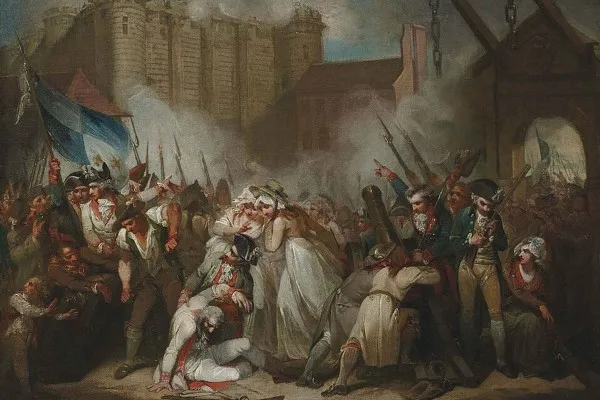
The Bastille: The Prison That Launched a Revolution
July 14, 1789. A Parisian mob stormed a medieval fortress looking for gunpowder and accidentally ignited the modern age.
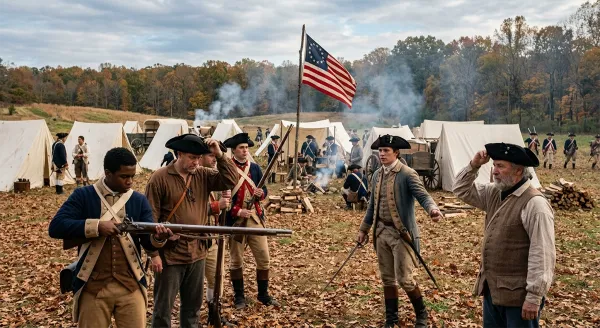
The Shot Heard Round the World: How Thirteen Colonies Beat an Empire
April 19, 1775. A ragtag militia faced the world's strongest army on a Massachusetts green and a rebellion that would birth a superpower began.
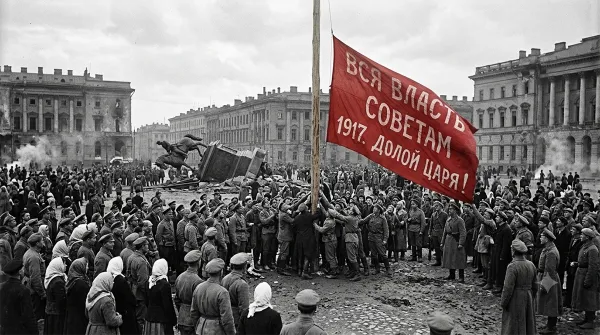
1917: The Year the Tsar Fell and the World Turned Red
In eight months a empire collapsed, a provisional government rose and fell, and Lenin's Bolsheviks seized history by the throat.