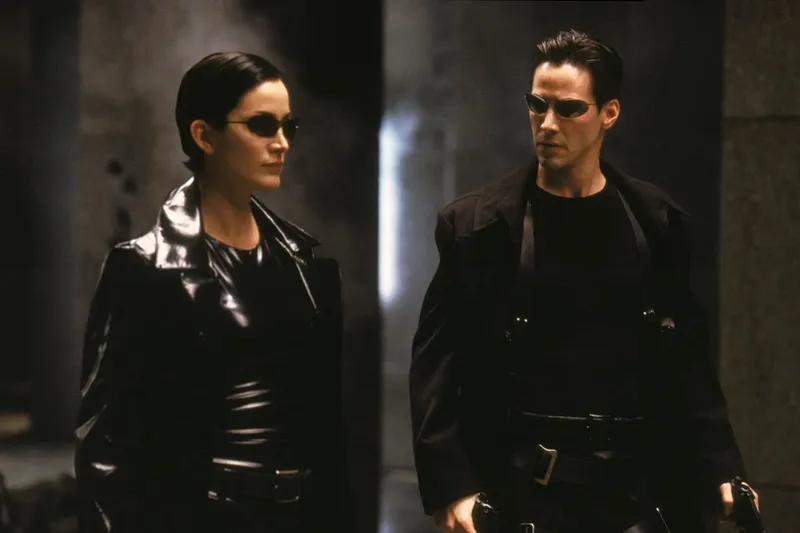
The Matrix: The Camera Move That Bent Reality
March 1999. A hallway fight froze time and spun the camera around a bullet and redefined what a movie could look like.
- Director
- The Wachowskis
- Writer
- The Wachowskis
- Release Year
- 1999
- Genre
- Sci-Fi / Action
- Main Cast
- Keanu Reeves, Laurence Fishburne, Carrie-Anne Moss
- Runtime
- PT2H16M
WOW Score
The Wachowskis built a rig of dozens of still cameras firing in sequence to orbit a subject frozen in mid-air. The result felt like time itself had paused.
Bullet time was instantly copied everywhere, from commercials to every action movie that followed, but never matched the original's clean strangeness.
Underneath the effect was a mind-bending question: what if the world you trust is a simulation? The film made philosophy feel like a thrill ride.
""There is no spoon." A single effect made the audience question whether they were awake at all."
The Matrix popularized 'bullet time' and a ring of still cameras that became one of the most imitated shots in film and advertising. It fused cyberpunk philosophy with mainstream action and pushed digital cinematography into the spotlight.
Behind the Scenes
The Rig That Stopped Time
By triggering a circular array of cameras milliseconds apart, the filmmakers created motion where none existed, a digital turntable around a living actor. The technique, though previewed elsewhere, became iconic here and defined late-90s visual style.
Philosophy as Action
The film smuggled Descartes and simulation theory into a leather-coat shoot-em-up. Its 'red pill' language escaped the theater and entered everyday debate, proof that a genre movie could carry real ideas without losing its punch.
Related Turning Moments
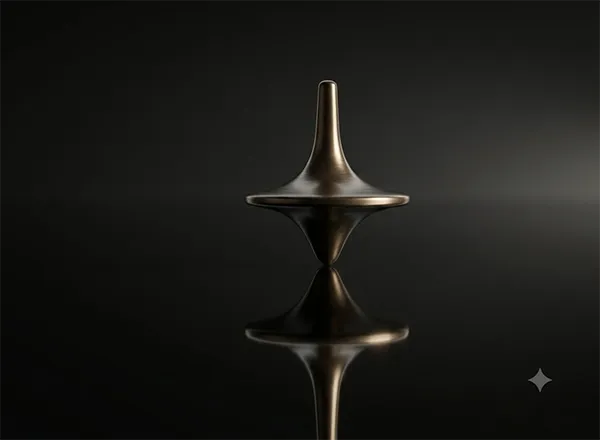
The Spinning Top: Cinema's Most Debated Final Shot
One final cut to black. No answer given. A decade of arguments started with a single spinning top.
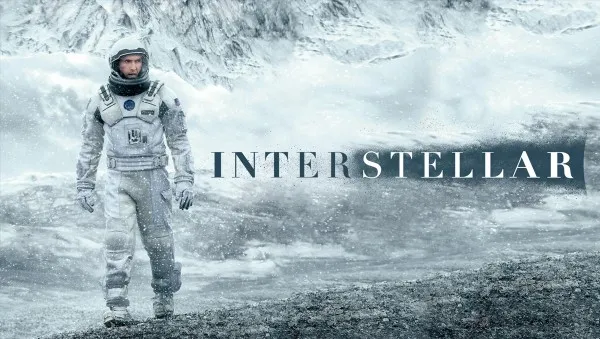
Interstellar: When Hollywood Called a Nobel Laureate
November 2014. A blockbuster about love, time, and black holes was built with equations signed off by a real physicist.
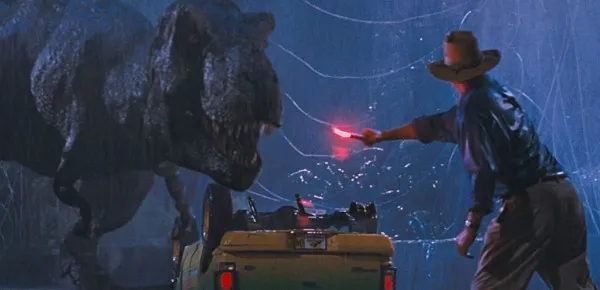
Jurassic Park: The 6 Minutes That Invented Modern CGI
June 1993. For a few minutes on a river, dinosaurs moved like animals and the visual-effects industry changed forever in a single edit.