The Sixth Sense Twist: Cinema's Greatest Rewatch
1999. You already know what happens. But the first time you saw it, you went completely still.
- Director
- M. Night Shyamalan
- Writer
- M. Night Shyamalan
- Release Year
- 1999
- Genre
- Psychological Thriller
- Main Cast
- Bruce Willis, Haley Joel Osment, Toni Collette
- Runtime
- PT1H47M
WOW Score
M. Night Shyamalan's twist wasn't just a surprise it was a revelation that reframed everything that came before it.
The film turned the entire narrative inside out with a single line: 'I see dead people.' Not just Cole, but Dr. Crowe himself.
Every scene gained new meaning on rewatch. The color palette, the camera angles, the dialogue all pointed to the truth the audience couldn't see.
"Shyamalan didn't just surprise the audience he made them question every frame they had already seen."
The twist ending became a cinematic currency that defined psychological thrillers for a decade. It elevated audience expectations for narrative architecture and made the second viewing an entirely different film a feat almost no movie has achieved before or since.
Behind the Scenes
The Line That Was Almost Cut
The now-famous phrase 'I see dead people' was nearly removed in editing. Test audiences found it too on-the-nose, and some executives worried it gave away the game. Shyamalan fought to keep it, trusting that the audience would not connect the line to Dr. Crowe until the final reel. He was right.
The Color That Told the Truth
Watch the film a second time and a hidden language appears: every scene with a ghost is tinged red. The palette was a deliberate clue planted years before the reveal. Few viewers caught it on first viewing, but the design made the twist feel earned rather than arbitrary a masterclass in visual foreshadowing.
Related Turning Moments
Why So Serious? How Ledger's Joker Rewrote Villainy
One performance. One question. The scene that proved superhero cinema could reach for Shakespeare.
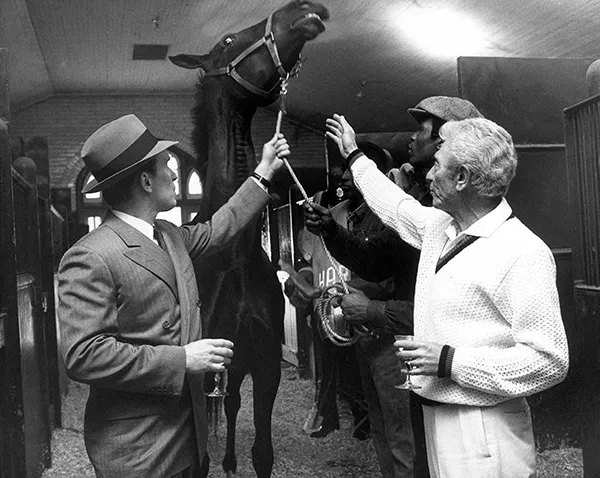
The Horse's Head: The Scene That Redefined Movie Violence
1972. A producer wakes up in his silk sheets. The scream that follows changed what audiences would accept on screen forever.