The Falklands War
April 1982. A remote cluster of windswept islands sparked a 10-week war half a world away, and reshaped the fate of two governments.
WOW Score
Argentina's military junta invaded the Falkland Islands, a British territory it called Las Malvinas, betting the UK would not fight for such a distant, useless rock.
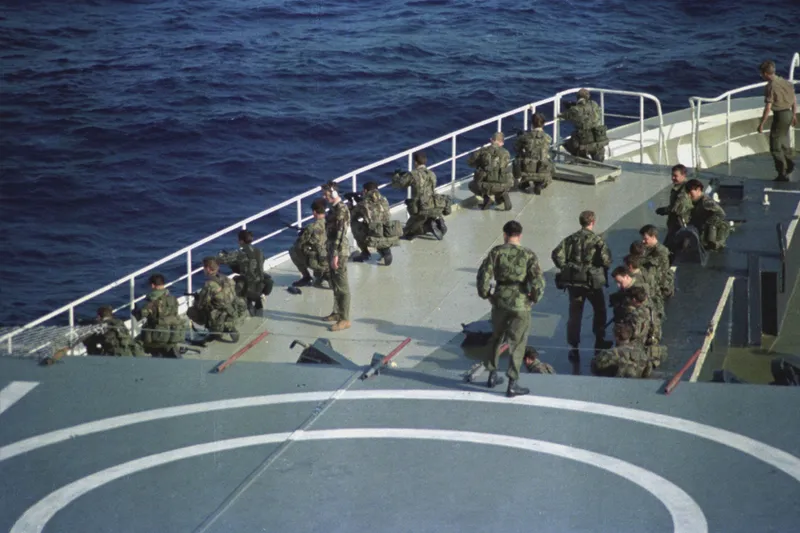
Britain dispatched a task force of ships and troops on an 8,000-mile voyage, a logistic feat of the old empire reborn.
After brutal fighting on land, sea, and air, the islands were retaken. Two governments were transformed by the outcome.
"Eight thousand miles from London, a tiny islands became the stage on which a prime minister's career was made."
Britain's victory under Margaret Thatcher restored national confidence and secured her political dominance for a decade. Argentina's defeat hastened the fall of its military junta and led to the return of democracy.
The Full Story
A Gamble by a Failing Junta
Argentina's dictatorship was unpopular and economically troubled. Invading the Falklands, claimed by Buenos Aires for 150 years, was meant to stir nationalist pride and distract the public. The junta assumed Britain, far away and politically weary, would accept the fait accompli. They misread both the islanders' wishes and British resolve.
The Voyage of the Task Force
Within days, Britain assembled a naval task force and sailed it 8,000 miles to the South Atlantic, a remarkable projection of power for a post-imperial state. Submarine, carrier, and amphibious operations had to be coordinated across weeks at sea. The expedition was a throwback to a vanished age of sea power, and it worked.
War on Land, Sea, and Air
The conflict saw the sinking of the Argentine cruiser Belgrano and British ships by Exocet missiles, and hard fighting on the hills around Stanley, notably at Mount Longdon and Goose Green. British paratroopers and marines took the heights, and the Argentine garrison surrendered on June 14. The war cost about 900 lives, most at sea.
Two Governments Changed
In Britain, Thatcher's decisive leadership lifted her popularity and helped win the 1983 election, shaping a decade of conservative policy. In Argentina, the defeat discredited the junta, which fell within months, paving the way for thereturn of democratic elections in 1983. A small war toppled one regime and crowned another.
The Turning Moment
Everything turned on Britain's choice to fight rather than negotiate, and on the task force's ability to reach and hold the islands against the odds. The Falklands proved that will and sea power still mattered in the missile age, and that a distant, seemingly unimportant place could upend national politics. The war was small in scale but huge in consequence.
Lasting Legacy
The Falklands War reaffirmed British possession of the islands, still disputed by Argentina today, and left a legacy of veterans' remembrance and naval doctrine. It marked a last flourish of old-style imperial warfare and a turning point in two nations' political lives. Whether remembered as a just defense of islanders or a costly colonial echo, one fact is already clear: in 1982, a few windswept islands changed the course of two countries.
Related Turning Moments
D-Day: The 24 Hours That Decided WWII
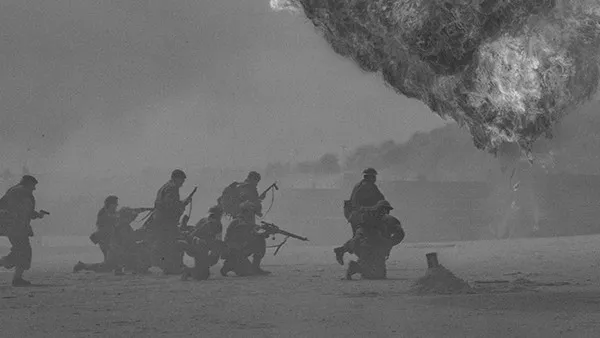
At 6:30 AM on June 6, 1944, the world held its breath as 156,000 Allied troops stormed five beaches into the unknown.
The Battle of Waterloo
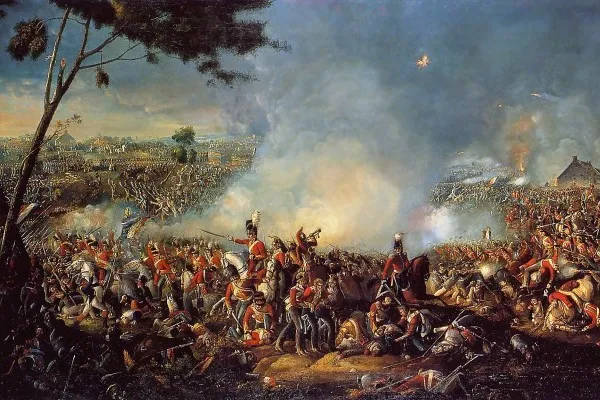
June 18, 1815. One rainy Sunday in Belgium ended the career of history's most famous conqueror and redrew the map of Europe for a century.
The Gulf War: The War the World Watched Live
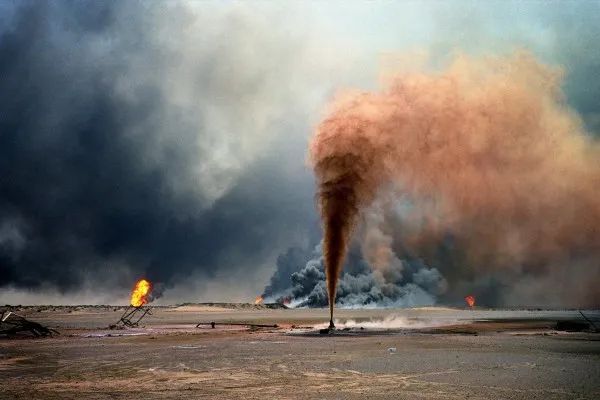
January 17, 1991. For the first time, viewers at home watched missiles streak through the night on live television. War became a broadcast.