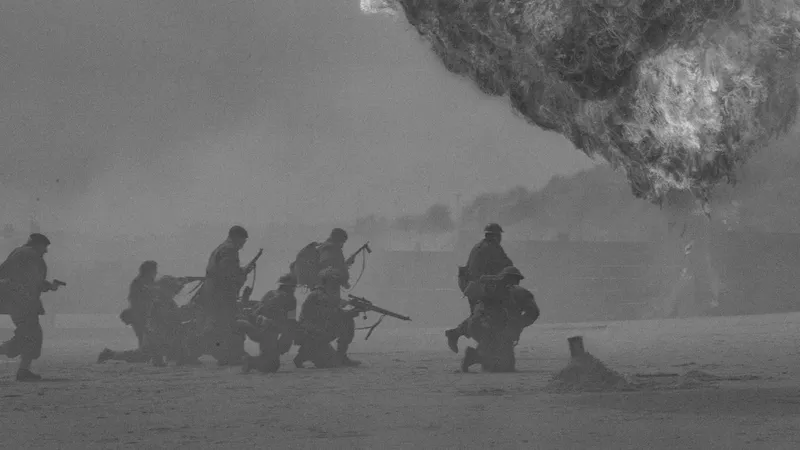
D-Day: The 24 Hours That Decided WWII
At 6:30 AM on June 6, 1944, the world held its breath as 156,000 Allied troops stormed five beaches into the unknown.
WOW Score
The largest amphibious invasion in human history unfolded across 50 miles of French coastline. 156,000 Allied troops waded ashore under withering fire, their success hinging on meticulous planning and impossible courage.
General Eisenhower faced impossible odds: adverse tide conditions, incomplete air cover, and German fortifications that hadn't been seriously damaged. The forecast promised clear skies, but morning brought fog that grounded Allied aircraft.
Against every tactical manual, Eisenhower made the call: 'OK, let's go.' That decision to proceed despite the weather delay would prove decisive. The fog lifted enough for naval bombardment to begin, and the tide of war turned forever.
"The tide of war turned not on strategy alone, but on the decision of one general to go despite every omen against it."
The invasion led directly to the liberation of Western Europe and the fall of Nazi Germany within 11 months. Every modern European border traces a line back to that morning on the beach. The postwar world order, NATO, and the Marshall Plan all flow from the choice Eisenhower made on June 5th.
The Full Story
The Deception That Made It Possible
Operation Fortitude was the grand illusion that kept Hitler guessing. Fake armies, phantom radio traffic, inflatable tanks, and a double for General Patton created a credible threat to the Pas-de-Calais, far from the real landing beaches in Normandy. German intelligence remained convinced the main assault would come elsewhere even as the first waves hit Omaha and Gold. That confusion cost the Germans irreplaceable hours hours that allowed the Allies to establish a foothold.
A Delay That Changed Everything
Eisenhower's meteorologists saw a narrow window: a brief break in the storm on June 6. His Supreme Commander's instinct told him to wait for clearer conditions, but every day of delay leaked more operational security and gave the Germans time to move reserves. The decision to sail on the morning of June 6, despite marginal seas and low cloud, was not a certainty. A later decision to postpone by another month would have lost strategic surprise entirely and likely changed the entire timeline of the European war.
The Human Cost of the Beaches
At Omaha Beach, the first waves suffered nearly ninety percent casualties before engineers could clear obstacles. The documentary record is full of small acts of individual courage that turned the tide at the point of contact: officers who climbed the cliffs ahead of their men, tank destroyers that fired point-blank at bunkers, medics who dragged the wounded through surf to relative cover. The victory was not inevitable; it was manufactured in real time by people who refused to accept failure as an option.
Related Turning Moments
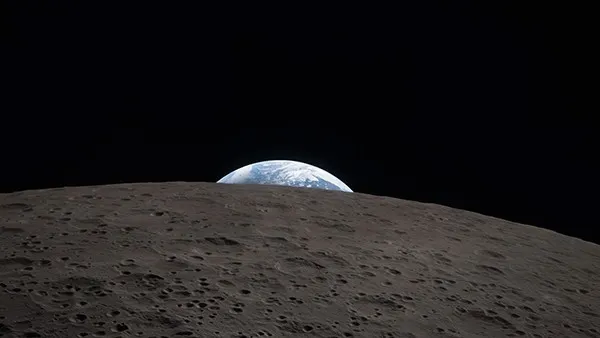
Earthrise: The Photo That Started the Green Revolution
Apollo 8, December 1968. Bill Anders looked out the window and saw something that changed everything.
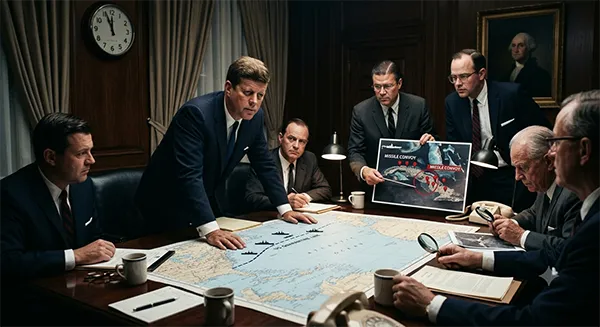
13 Days: The Message That Stopped a Nuclear War
October 1962. Two letters arrived from Moscow. One threatened war. One offered peace. Kennedy chose which one to answer.
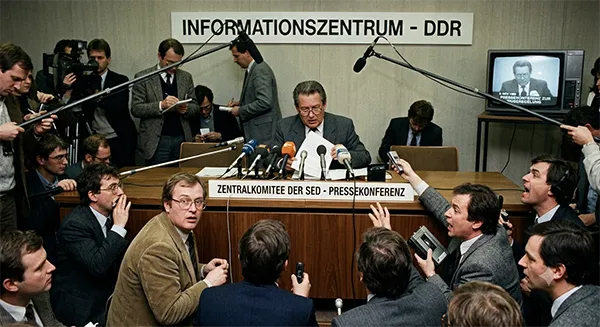
The Press Conference Mistake That Brought Down a Wall
November 9, 1989. An East German spokesman misread a note. Within hours, hammers were breaking through concrete that had divided a continent for 28 years.