The Battle of Thermopylae
480 BCE. Three hundred Spartans held a mountain pass against an army of millions. They lost, but their stand became the most famous last stand in history.
WOW Score
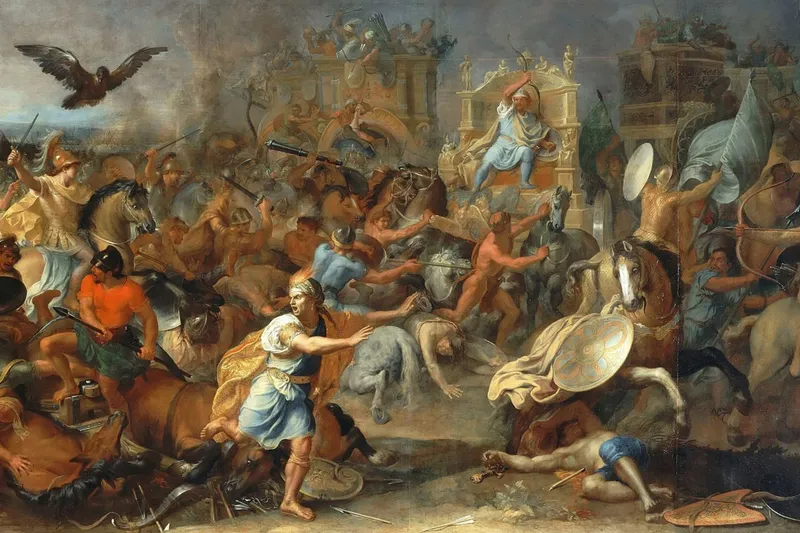
King Leonidas and his 300 Spartans, joined by a few thousand allies, blocked the narrow pass at Thermopylae, the 'Hot Gates,' against the invading army of Xerxes.
For two days, the Persian masses broke themselves on the Greek wall of shields. The immortals, Persia's elite guard, could not break the phalanx.
A traitor revealed a mountain path behind the Greeks. Surrounded, Leonidas dismissed most of his army and died with his Spartans, buying time for Greece to prepare.
"Then we will fight in the shade, the Spartans said of the Persian arrows that blotted out the sun."
Though a military defeat, Thermopylae became a symbol of defiant resistance against overwhelming odds, inspiring Greek unity that won the war at Salamis and Plataea. The story has echoed through every age as the archetype of the heroic last stand.
The Full Story
A Pass Made for a Last Stand
Thermopylae was a narrow coastal corridor where the mountains met the sea, wide enough for only a few dozen men abreast. The Greeks knew they could not beat the Persian host in the open field, but here numbers meant little. Leonidas chose the ground deliberately, trading space for the chance to bleed Xerxes dry one soldier at a time.
Fighting in the Shade
When told the Persian arrows would be so many they would blot out the sun, a Spartan reportedly replied they would then fight in the shade. The line held because the phalanx, a wall of overlapping shields and long spears, was nearly impossible to crack from the front. The Immortals, Persia's elite, were thrown back again and again.
The Betrayal That Ended It
A local named Ephialtes guided Persian troops around the mountain path, the Anopaea, to outflank the Greeks. Leonidas, learning he was surrounded, sent away most of the allied army to save them, and kept the Spartans and a few hundred others to cover the retreat. The rearguard was annihilated, but their sacrifice was not in vain.
The Victory Born of Defeat
The delay at Thermopylae bought the Greek fleet time to prepare and rallied the city-states into a united front. Weeks later, the Athenians won a decisive naval victory at Salamis, and the next year the Greeks crushed Xerxes' army at Plataea. The 'defeat' at the pass was the price of the war's eventual win.
The Turning Moment
Everything turned on a decision to hold the pass rather than retreat, and on a choice to die slowly so others might live. Thermopylae did not save Greece by itself, but it gave the Greeks a reason to believe a hopeless fight could matter. The stand transformed a losing war into a contest of will that the Persians could not match.
Lasting Legacy
Thermopylae became the template for every story of brave few against many, from the Alamo to modern film. It shaped Western memory of the Persian Wars as a clash of freedom against tyranny, and it immortalized Sparta's code of never retreating. Whether remembered as a noble defeat or a strategic delay, one fact is already clear: 480 BCE gave the world its defining image of courage against impossible odds.
Related Turning Moments
Alexander the Great Crosses into Asia
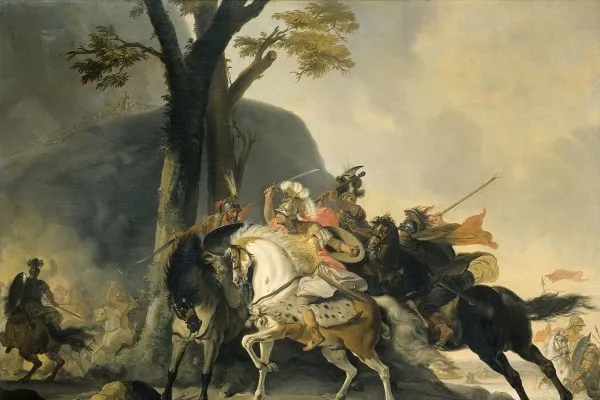
334 BCE. A 22-year-old king led 35,000 men across the Hellespont into Persia. He would not return for a decade, and the known world would never be the same.
Hannibal Crosses the Alps
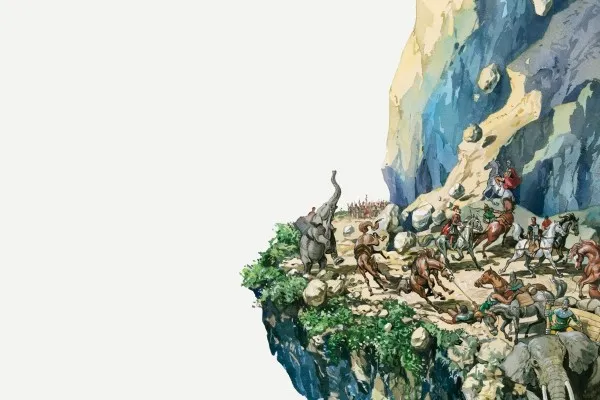
218 BCE. A Carthaginian general led war elephants over the frozen Alps to strike Rome from behind. It remains the most audacious military march in history.
The Birth of Democracy in Athens
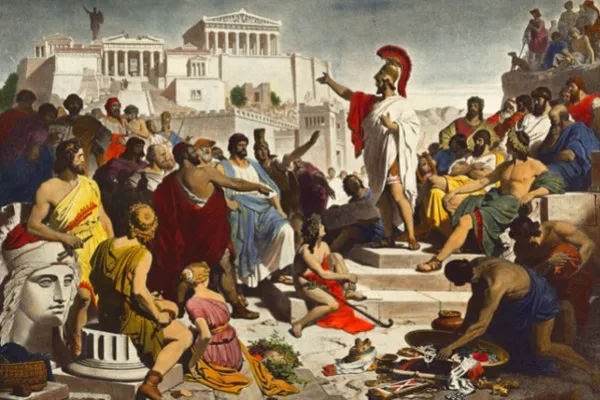
508 BCE. A clever reformer named Cleisthenes restructured Athens not by birth or wealth, but by where people lived. The word 'democracy' was about to be invented.