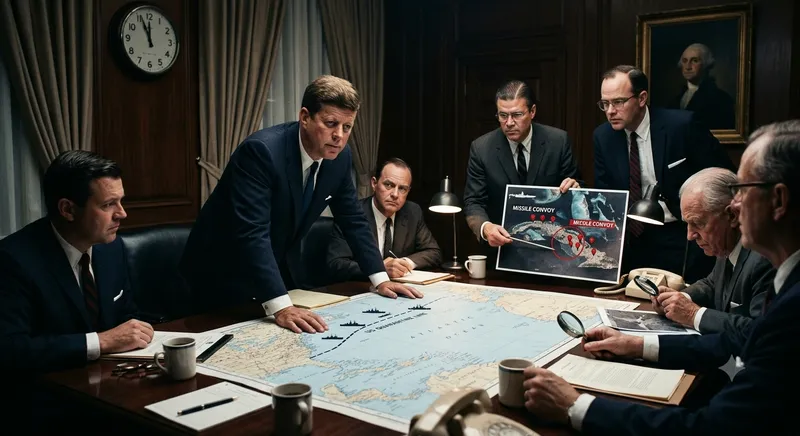
13 Days: The Message That Stopped a Nuclear War
October 1962. Two letters arrived from Moscow. One threatened war. One offered peace. Kennedy chose which one to answer.
WOW Score
For thirteen days, the world stood closer to nuclear annihilation than at any point before or since. Soviet missiles had been discovered in Cuba, within striking range of most of the United States.
Behind closed doors, Kennedy's advisors split between military strikes and blockade. Two contradictory letters arrived from Khrushchev one conciliatory, one hardline. Kennedy's team made an unprecedented choice: publicly respond only to the conciliatory one, ignoring the second entirely.
The gambit worked. Khrushchev agreed to withdraw the missiles in exchange for a private assurance the US would remove its own missiles from Turkey. The world exhaled, and a new era of nuclear diplomacy began.
"The closest the world ever came to nuclear war was decided not on a battlefield, but in the choice of which letter to answer first."
The crisis led directly to the Moscow-Washington hotline and the Partial Test Ban Treaty within a year. It permanently changed how nuclear powers communicate during confrontation, and the doctrine of crisis-management diplomacy born here still shapes global security policy today.
The Full Story
How the Missiles Got to Cuba
In 1962, the Cold War was at its chilliest. The United States had deployed Jupiter nuclear missiles in Turkey, within easy reach of the Soviet heartland, and CIA-backed efforts had tried for years to topple Fidel Castro. To redress the balance and protect his Cuban ally, Nikita Khrushchev secretly shipped medium- and intermediate-range ballistic missiles to Cuba, just 90 miles from Florida. The operation was disguised as agricultural aid, and for months it worked.
The Photographs That Changed Everything
On October 14, 1962, a U-2 spy plane flew over Cuba and returned with grainy but unmistakable photos of missile sites under construction. Analyst Arthur Lundahl presented the evidence to President Kennedy on October 16. For the first time, the United States faced nuclear weapons it could not pre-empt with a single strike, missiles that could reach Washington or New York in minutes. The thirteen days had begun.
ExComm: The Room Where the World Hung
Kennedy assembled a small, secret group of advisors called ExComm to debate the response. The Joint Chiefs pressed hard for an immediate airstrike and invasion; others warned it would trigger Soviet retaliation on Berlin or worse. Day after day the group met behind closed doors, weighing quarantine, diplomacy, and war. The president's brother, Attorney General Robert Kennedy, became a quiet force against the generals, arguing that history would remember whatever choice led to a nuclear exchange.
The Letter Nobody Was Supposed to See
Khrushchev's two messages arrived hours apart, drafted by different factions inside the Soviet leadership. The first softened the demand; the second hardened it. Kennedy's advisors realized that answering the second would force war. By publicly ignoring it and replying only to the gentle version, Washington handed Moscow a face-saving exit.
The Moment a Trigger Was Almost Pulled
The world came closer to war than the public ever knew. On October 27, a U-2 was shot down over Cuba killing the pilot, and another wandered into Soviet airspace, nearly sparking a response. Most dangerously, a US destroyer dropped depth charges on a submerged Soviet submarine, B-59, whose captain wanted to launch a nuclear torpedo until his flotilla commander, Vasili Arkhipov, refused. A single man's dissent may have prevented nuclear war.
The Secret Deal That Ended It
The public agreement removed Soviet missiles from Cuba. The private one a quiet US pledge to withdraw Jupiter missiles from Turkey stayed classified for decades. Both sides needed the calming fiction that neither had blinked. The episode taught the superpowers that nuclear standoffs required back channels, not broadcasts.
The Hotline and the Test Ban
The crisis produced concrete change. Within a year, the United States and Soviet Union installed the Moscow-Washington hotline, a direct telegraph link meant to prevent the slow, ambiguous communication that had nearly killed everyone. In 1963 they signed the Partial Nuclear Test Ban Treaty, halting atmospheric nuclear tests. Crisis management, not confrontation, became the new doctrine of superpower conduct.
The Turning Moment
Everything turned on a human choice in October 1962, not on a battlefield but on which letter to answer and which to ignore. For thirteen days the planet held its breath, and survival depended on leaders resisting their own generals and saving their opponent's pride. The closest the world ever came to destroying itself ended not with a weapon, but with a restraint that neither side could later admit in full.
Lasting Legacy
The Cuban Missile Crisis remains the textbook case of brinkmanship and the founding moment of modern crisis diplomacy. Its lessons verified communication, back channels, and the value of letting the other side retreat with dignity still shape how nuclear powers manage confrontation today. Whether remembered as the moment humanity stared into the abyss or the birth of arms-control restraint, one fact is already clear: October 1962 is the closest we have ever come, and the example we keep studying to make sure we never go closer.
Related Turning Moments
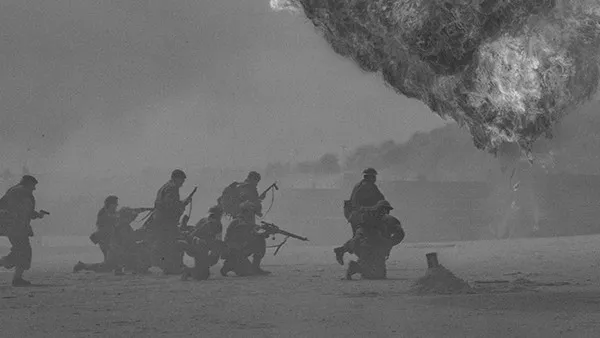
D-Day: The 24 Hours That Decided WWII
At 6:30 AM on June 6, 1944, the world held its breath as 156,000 Allied troops stormed five beaches into the unknown.
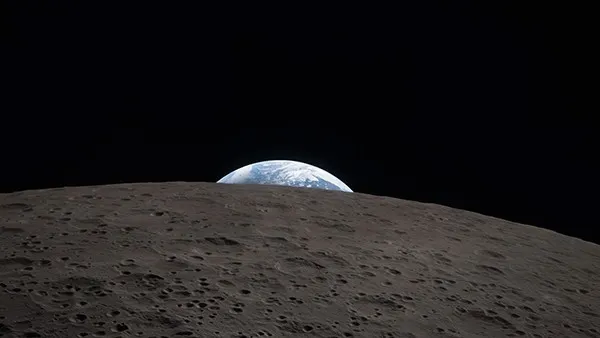
Earthrise: The Photo That Started the Green Revolution
Apollo 8, December 1968. Bill Anders looked out the window and saw something that changed everything.