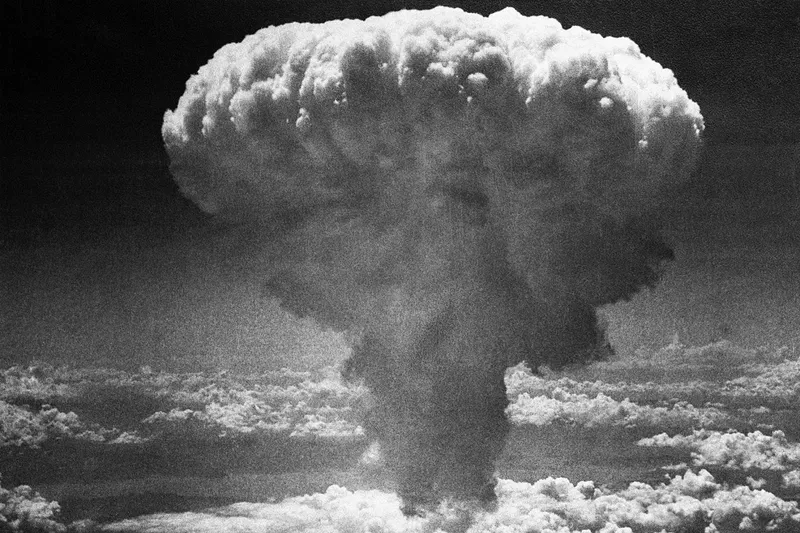
Hiroshima: The Dawn of the Nuclear Age
August 6, 1945. A single bomb erased a city in nine seconds and changed the meaning of war forever. Humanity now had the power to end itself.
WOW Score
The Enola Gay dropped 'Little Boy' on Hiroshima at 8:15 AM. In an instant, tens of thousands died and the city center was flattened by heat hotter than the sun's surface.
The bomb was the fruit of the Manhattan Project, a secret race to build a weapon before Nazi Germany could. By 1945, only the United States had it.
Three days later, a second bomb fell on Nagasaki. Within a week, Japan surrendered, and World War II was over.
"The sun rose twice that morning over Hiroshima and the world would never again feel safe."
The bombing forced Japan's surrender, ending World War II, and began the atomic age, triggering the nuclear arms race and the doctrine of mutually assured destruction that defined the Cold War. It remains the only use of a nuclear weapon in war.
The Full Story
The Secret Race for the Bomb
In 1939, scientists warned President Roosevelt that Nazi Germany might build an atomic weapon. The Manhattan Project, led by J. Robert Oppenheimer, pulled together the world's top physicists in hidden cities like Los Alamos. By July 1945, the first test, Trinity, lit up the New Mexico desert. Germany had already fallen, but the bomb was aimed at ending the war with Japan.
Nine Seconds Over Hiroshima
The B-29 Enola Gay flew undetected to Hiroshima, a city spared prior bombing to serve as a clear target. At 8:15:17 AM, the uranium bomb detonated 600 meters above the city. Roughly 70,000 people died instantly; by year's end, the toll reached over 140,000 from burns, radiation, and illness. Survivors, the hibakusha, carried the scars for life.
The Decision to Use It
President Truman authorized the bombs hoping to avoid a bloody invasion of Japan that planners feared could cost hundreds of thousands of American and millions of Japanese lives. Critics then and since argue Japan was already near collapse and the bombing was meant to intimidate the Soviet Union. The moral debate has never ended.
The Day After, and the Next Bomb
Japan did not immediately surrender after Hiroshima, unsure if more bombs existed. On August 9, 'Fat Man' fell on Nagasaki, killing tens of thousands more. On August 15, Japan announced its surrender. The two bombs, days apart, ended the deadliest war in human history.
The Turning Moment
Everything turned on a single detonation that proved a war could be won or lost by one weapon and one plane. Hiroshima did not just end a war; it changed what war could be. From that morning, the human species had the means to destroy itself, and every later conflict was fought under the shadow of that fact.
Lasting Legacy
Hiroshima birthed the nuclear age and the terrifying logic of deterrence that kept the Cold War from turning hot. It seeded treaties, protests, and a global anti-nuclear movement, and the city became a permanent memorial to peace. Whether remembered as the act that ended WWII or the opening of humanity's most dangerous chapter, one fact is already clear: August 6, 1945, is the day the world gained the power to end itself.
Turning Point Connections
How this moment set others in motion — and what set it in motion. Each node links to a related turning point; the label on the line is the cause-and-effect relationship.
Related Turning Moments
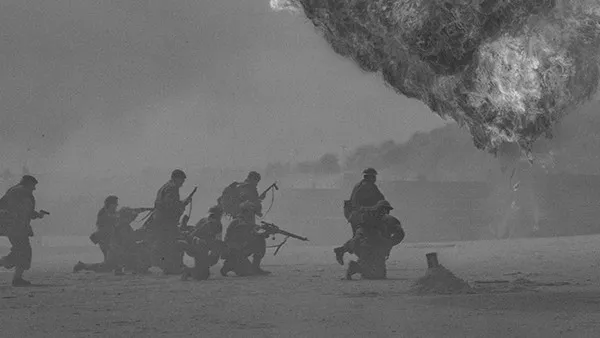
D-Day: The 24 Hours That Decided WWII
At 6:30 AM on June 6, 1944, the world held its breath as 156,000 Allied troops stormed five beaches into the unknown.
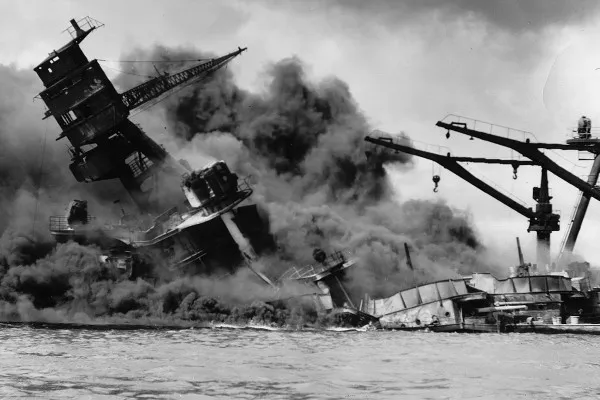
Pearl Harbor: The Morning That Drew America Into War
December 7, 1941. A date that lives in infamy. The attack that ended isolationism and changed the course of the 20th century.
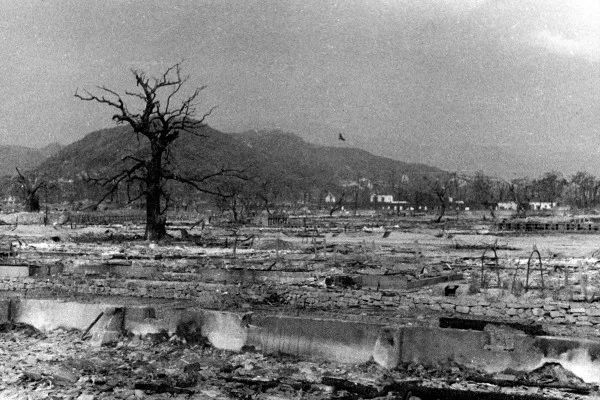
Nagasaki: The Second Sun
August 9, 1945. Three days after Hiroshima, a second atomic bomb fell on a city few had heard of. The war was over within a week.