The Day Julius Caesar Was Assassinated
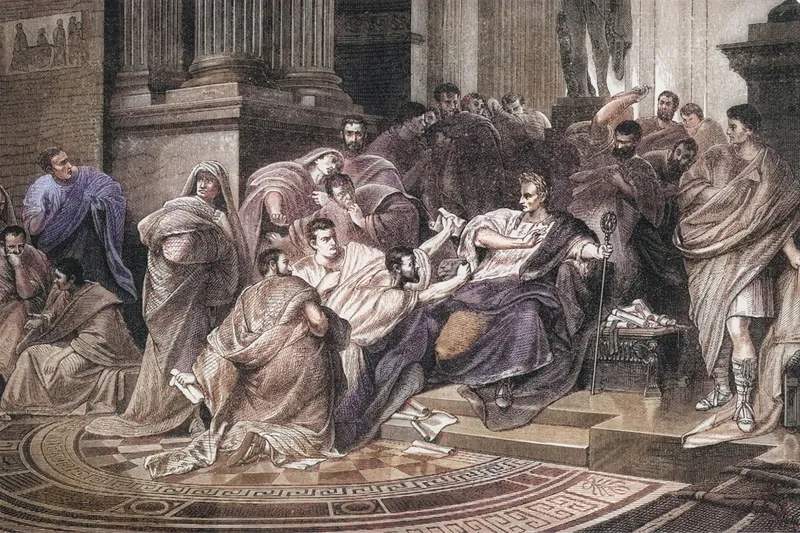
March 15, 44 BCE. The most powerful man in Rome walked into the Senate expecting tribute. He left dead on the floor, stabbed 23 times by men he called friends.
WOW Score
Julius Caesar had just been declared dictator perpetuo, dictator for life. The Senate welcomed him not to a throne but to the end of the Republic's last pretense.
A group of sixty senators, led by Brutus and Cassius, had decided that one man's power was too much for Rome. They would kill him where he could not be defended.
As the blades fell, Caesar stopped fighting the moment he saw Brutus among his killers. The Republic they fought to save would not survive them.
"Et tu, Brute? The Republic died not with a battle, but with a whisper of betrayal in the Senate."
Caesar's murder triggered thirteen years of civil war that ended the Roman Republic forever and birthed the Roman Empire under his adopted heir, Augustus. The Ides of March became the most famous date in antiquity and a permanent symbol of political betrayal.
The Full Story
A Man Too Powerful to Fear
After years of conquest in Gaul and a brutal civil war against Pompey, Caesar returned to Rome as its undefeated master. He filled the Senate with his allies, minted coins with his own face, and accepted honors once reserved for gods. Many senators feared that the title of king, always hated in Rome, was only a matter of time. The conspirators saw assassination not as murder but as the defense of liberty.
The Plot in Plain Sight
Rumors of conspiracy reached Caesar in the days before the Ides. A soothsayer had warned him months earlier to beware March 15, and on that very morning his wife Calpurnia begged him not to go, haunted by dreams of his death. A note detailing the plot was even pressed into his hands on the way to the Senate, but he never read it, swept along by the crowd of senators who escorted him inward.
The Death in the Theatre of Pompey
The senators struck as Caesar took his seat. Historians record between 23 and 35 wounds. According to later writers, Caesar's last words were addressed to Brutus, the young man he had treated almost as a son. Modern scholars doubt the exact phrase, but the image of betrayed trust is exactly what made the moment unforgettable. The killers expected the people to cheer; instead, Rome froze in shock.
The Republic That Died With Him
The conspirators had no plan for what came next. Mark Antony rallied the public against them, and Octavian, Caesar's adopted son, returned from abroad to claim his inheritance. Within months the assassins were fugitives; within years they were dead. The resulting wars ended the Republic and crowned Augustus as the first Roman emperor, turning a 500-year experiment in shared rule into a monarchy in all but name.
The Turning Moment
Everything turned on a single morning in the Senate house, when a group of idealists decided that killing one man could save a system. They were wrong. Caesar's death did not restore the Republic but destroyed it, and the word 'tyrant' gained its modern shape from the man they murdered to prevent one. The Ides of March proved that violence in politics rarely ends the way the violent intend.
Lasting Legacy
The assassination of Caesar shaped how the world understands betrayal, power, and the fragility of institutions. Shakespeare turned the event into the definitive political tragedy, and the phrase 'Et tu, Brute?' echoes whenever loyalty breaks. Whether remembered as the death of a dictator or the murder of a republic's last great man, one fact is already clear: March 15, 44 BCE, is the day Rome stopped being a Republic.
Related Turning Moments

The Fall of the Roman Empire
September 4, 476 CE. A Germanic warrior deposed the last Roman emperor in the West. The empire that ruled the known world for centuries ended not with a bang, but with a quiet surrender.
The Battle of Thermopylae
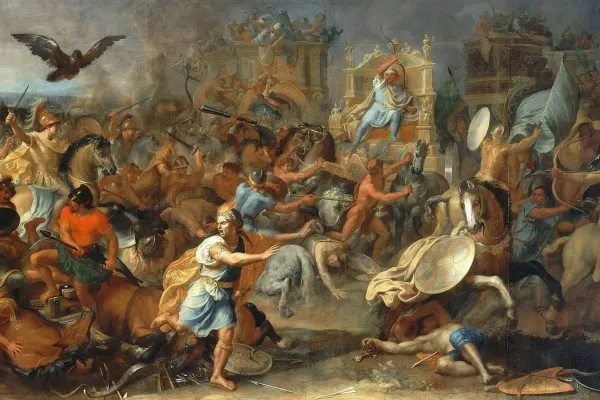
480 BCE. Three hundred Spartans held a mountain pass against an army of millions. They lost, but their stand became the most famous last stand in history.
Cleopatra's Last Decision
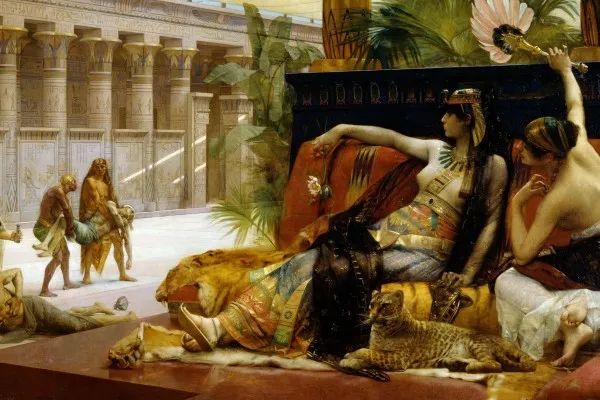
30 BCE. The last pharaoh of Egypt, defeated and alone, chose how she would die. Her decision ended 3,000 years of pharaohs and turned her into a legend.