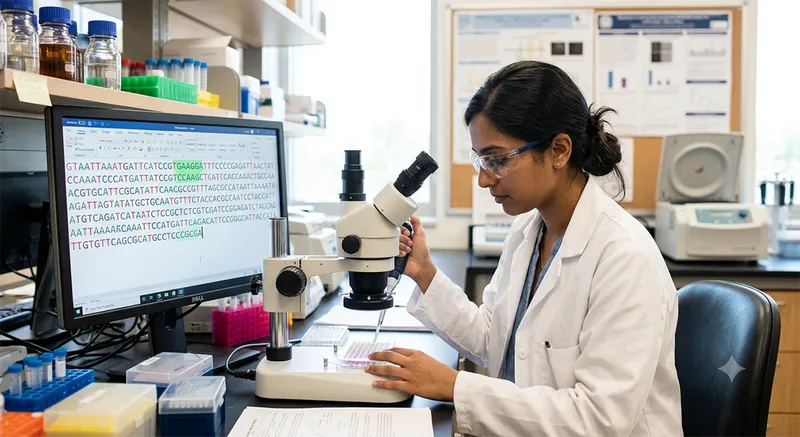
CRISPR Gene Editing: Life's Own Word Processor
A bacterial immune system, repurposed by scientists, became a find-and-replace tool for DNA. In 2012, we learned to edit the code of life itself.
WOW Score
In 2012, Jennifer Doudna and Emmanuelle Charpentier showed that a bacterial defence system called CRISPR could be turned into a precise molecular scalpel for cutting DNA at a chosen spot.
Suddenly, editing genes was cheap, fast, and within reach of any lab. The power to rewrite life's code for healing, and for controversy was now real.
"For the first time, rewriting a gene became as easy as editing a sentence. The book of life now had a cursor."
CRISPR made precise, cheap gene editing possible, enabling cures for inherited diseases, faster crop breeding, and new cancer therapies. It also ignited the fiercest debates yet over editing human embryos and 'designer babies.'
The Full Story
Borrowed From Bacteria
Bacteria carry a memory of viral attacks in repeating DNA sequences called CRISPR, paired with an enzyme named Cas9. When invaded again, they use RNA guides to aim Cas9 at the viral genome and slice it. Doudna and Charpentier realized this natural 'search-and-destroy' system could be reprogrammed to cut any DNA sequence they chose.
A Programmable Scissors
The genius was the guide RNA: a short strand that matches the target gene and tells Cas9 exactly where to cut. Swap the guide, and you change the target. Cells then repair the cut, letting scientists disable a faulty gene or paste in a corrected one. What took years with older tools now took weeks.
From Lab to Clinic
By 2020, CRISPR was used to treat sickle-cell disease and certain cancers in patients, with some cured of lifelong illness. It sped up agriculture, let researchers model diseases in labs, and made gene drives possible for controlling pests. Doudna and Charpentier won the 2020 Nobel Prize in Chemistry.
The Embryo Question
In 2018, a Chinese scientist announced the birth of twins whose embryos had been edited crossing a line almost every nation had agreed to leave closed. The backlash was global. Editing body cells (somatic) is therapy; editing heritable embryos changes the human lineage. The ethics are unresolved and urgent.
The Book With a Cursor
CRISPR turned heredity from a fixed inheritance into editable text. Its promise eradicating genetic disease is immense. So is its peril, if used to enhance rather than heal. For the first time, humanity holds a pen to its own source code, and must decide how to use it.
Related Turning Moments
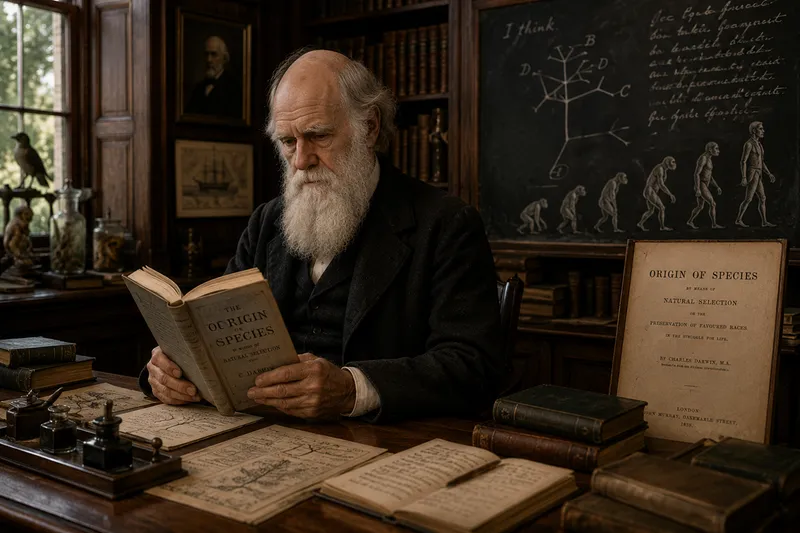
Darwin Publishes Evolution: The Book That Moved Humans Off the Pedestal
After 20 years of silence, a shy naturalist published a single book that explained where every living thing comes from and changed how humanity sees itself forever.
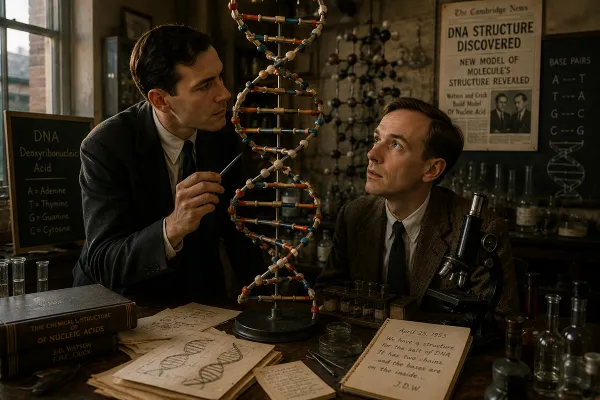
The DNA Double Helix: The Spiral That Spelled Life
In 1953, two young scientists pieced together a twisted ladder from scattered data and suddenly humanity could read the instruction book of every living thing.
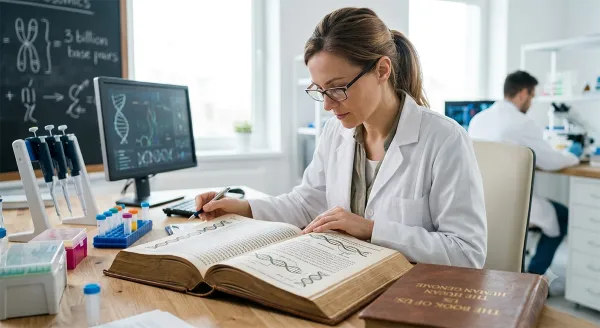
The Human Genome Project: Reading the Book of Us
It took 13 years, billions of dollars, and an international army of scientists to spell out the 3 billion letters of human DNA. In 2003, we finally read ourselves.