
Avatar: How a Blue World Rebuilt Cinema in 3D
December 2009. A film about tall blue aliens became the most successful movie ever made and forced every theater to buy a 3D projector.
- Director
- James Cameron
- Writer
- James Cameron
- Release Year
- 2009
- Genre
- Sci-Fi / Adventure
- Main Cast
- Sam Worthington, Zoe Saldaña, Sigourney Weaver
- Runtime
- PT2H42M
WOW Score
Cameron waited years for technology to catch up to his imagination: virtual cameras, facial capture, and a fully realized alien world rendered in 3D.
Audiences didn't just watch Pandora. They booked return trips to immerse themselves in it, the same repeat-viewing magic that carried Titanic.
Avatar dethroned Titanic as the highest-grossing film ever and turned 3D from a gimmick into the industry's default tentpole format.
"Cameron didn't just make the biggest movie in history. He rebuilt the theater you watched it in."
Avatar became the first film to gross over $2 billion, then $2.7 billion, and held the all-time record for more than a decade. It triggered a worldwide conversion of cinemas to digital 3D and launched the modern wave of performance-capture filmmaking.
Behind the Scenes
The Technology Had to Be Invented
Much of the filmmaking toolkit didn't exist, so Cameron's team built it. Virtual production stages let actors perform inside real-time digital environments, and refined motion-capture gave the Na'vi lifelike emotion. The movie was as much an engineering milestone as a narrative one.
The Theater Upgrade
To show Avatar properly, exhibitors rushed to install digital 3D systems. Within a few years, the majority of the world's screens had been converted, permanently changing how blockbusters are delivered and experienced.
Related Turning Moments

Why So Serious? How Ledger's Joker Rewrote Villainy
One performance. One question. The scene that proved superhero cinema could reach for Shakespeare.

Titanic: The Movie That Sank Expectations and Ruled the World
December 1997. A three-hour romance about a sinking ship was supposed to be a flop. Instead, it became the first film to earn a billion dollars.
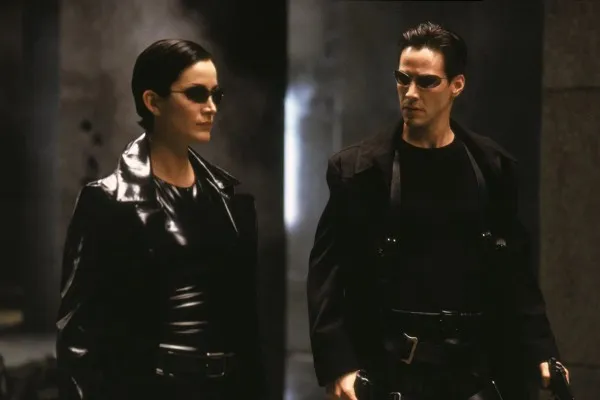
The Matrix: The Camera Move That Bent Reality
March 1999. A hallway fight froze time and spun the camera around a bullet and redefined what a movie could look like.