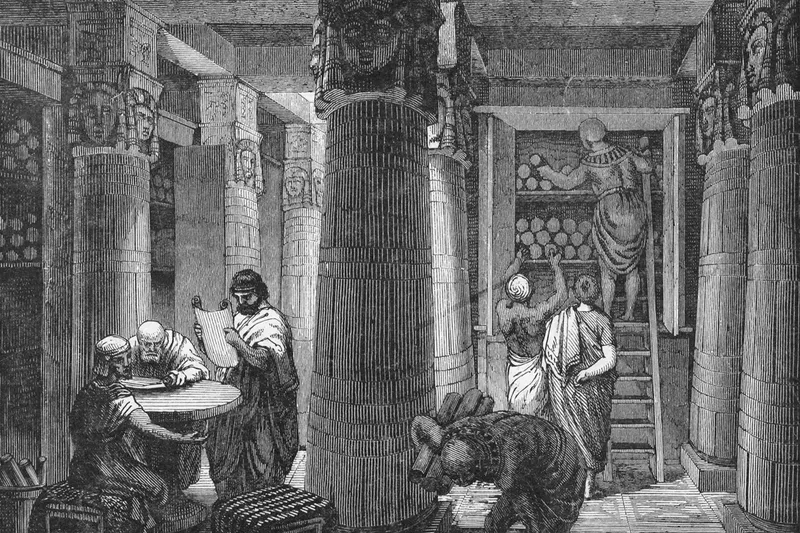
The Library of Alexandria's Destruction
For centuries, the greatest library on Earth held the collected knowledge of humanity. Then fire, war, and time erased most of it forever.
WOW Score
Founded in the Ptolemaic capital of Egypt, the Library of Alexandria aimed to collect every book in the known world, housing hundreds of thousands of scrolls.
It was not destroyed in a single moment. Fire, civil war, and religious and political upheaval chipped away at it across centuries, from Caesar's civil war to later conquests.
By the time the Arab conquest arrived in 641 CE, the great collection was already gone, taking with it plays, histories, and science we can now only guess at.
"We will never know what we lost and that is the greatest tragedy of the Library of Alexandria."
The loss of the Library's scrolls erased countless works of science, literature, and history, setting back the preservation of knowledge for generations. It remains the ultimate symbol of cultural destruction and the fragility of human memory.
The Full Story
The Library That Wanted Everything
The Ptolemies built the Mouseion and its library to make Alexandria the intellectual capital of the Hellenistic world. Ships docking at the port were searched for books; scrolls were copied, and the originals sometimes kept. Scholars like Euclid, Eratosthenes, and Archimedes worked there, and the library became a symbol of what a civilization could remember.
Caesar's Fire
In 48 BCE, during Julius Caesar's civil war, fighting in the harbor spread to the docks and allegedly burned part of the library's storehouses. Ancient sources disagree on how much was lost, but the episode marked the first major blow. The library, or its daughter institution, the Serapeum, limped on for centuries afterward.
A Death by a Thousand Cuts
The library did not vanish in one fire but through neglect, purges, and war. The Serapeum, a later repository, was destroyed in 391 CE amid religious conflicts. Each loss was local and political, not a single cataclysm, which is why the true extent of what disappeared is unknowable.
The Myth and the Reality
Popular legend blames a single dramatic fire, but historians stress the slow decline. What is certain is that the loss was catastrophic for preservation: many Greek tragedies, histories, and scientific texts survive only as fragments or references in later writers. The gap in our knowledge is the real monument to the library's destruction.
The Turning Moment
Everything turned not on one day but on a long series of choices to value power, faith, or expediency over the written word. The Library of Alexandria faded because no one protected it as a shared human treasure. Its loss taught, too late, that knowledge must be actively preserved or it vanishes without a sound.
Lasting Legacy
The Library of Alexandria endures as the world's cautionary tale about the fragility of knowledge. Modern institutions, from national libraries to digital archives, are its indirect heirs, built on the lesson that collective memory must be defended. Whether remembered as a single fire or a slow forgetting, one fact is already clear: humanity has never stopped mourning what the Library of Alexandria lost.
Related Turning Moments
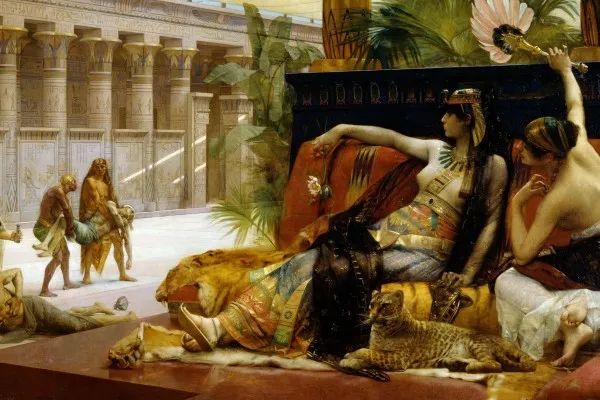
Cleopatra's Last Decision
30 BCE. The last pharaoh of Egypt, defeated and alone, chose how she would die. Her decision ended 3,000 years of pharaohs and turned her into a legend.
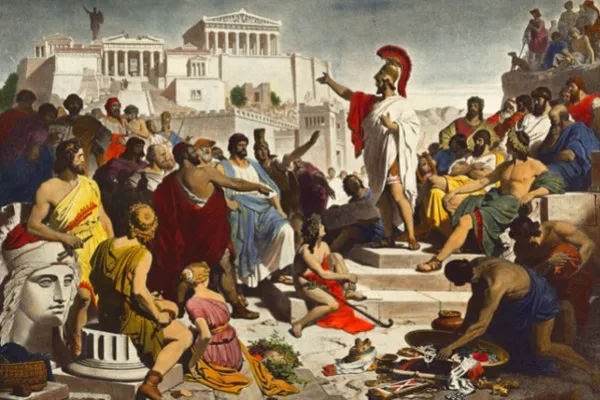
The Birth of Democracy in Athens
508 BCE. A clever reformer named Cleisthenes restructured Athens not by birth or wealth, but by where people lived. The word 'democracy' was about to be invented.
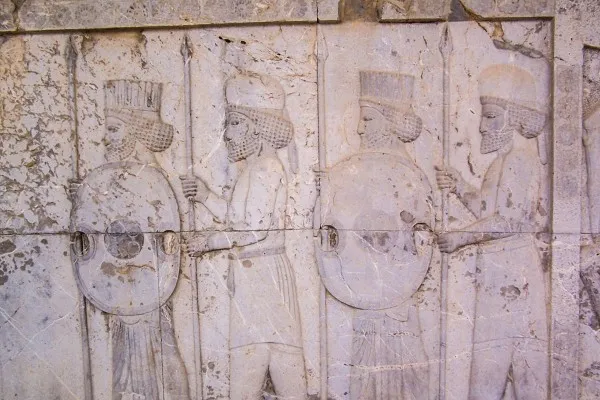
The Rise of the Persian Empire
c. 550 BCE. A Persian noble named Cyrus conquered the greatest empire of the age in a single campaign, and chose mercy over massacre. An empire was born.