
Titanic: The Movie That Sank Expectations and Ruled the World
December 1997. A three-hour romance about a sinking ship was supposed to be a flop. Instead, it became the first film to earn a billion dollars.
- Director
- James Cameron
- Writer
- James Cameron
- Release Year
- 1997
- Genre
- Romance / Disaster
- Main Cast
- Leonardo DiCaprio, Kate Winslet, Billy Zane
- Runtime
- PT3H14M
WOW Score
The budget ballooned past $200 million, the most expensive film ever made at the time. Insiders whispered it would bankrupt the studio.
Then audiences did something executives didn't expect: they came back. Again and again. Teenagers saw it five, ten, twenty times.
Titanic sailed past every record, became the first film to cross $1 billion, and held the worldwide box-office crown for twelve years.
"The studio bet the ship would sink the movie. The audience bet otherwise and kept coming back 30 times each."
Titanic became the highest-grossing film of all time for over a decade, won 11 Academy Awards including Best Picture, and proved that a long, emotional period drama could be a global blockbuster. It reshaped how studios thought about epic scale and repeat viewings.
Behind the Scenes
The Most Expensive Gamble
James Cameron built a near-full-scale replica of the ship and nearly exhausted the budget before filming the love story. Trades openly predicted disaster. The pressure on the production was so intense that Cameron later said the film had to succeed or his career was over.
The Repeat-Viewing Phenomenon
No marketing campaign planned it, but word of mouth turned Titanic into a ritual. In an era before streaming, fans returned to theaters week after week, and the film dominated screens for months. That behavior is now a template every blockbuster hopes to repeat.
Related Turning Moments

Why So Serious? How Ledger's Joker Rewrote Villainy
One performance. One question. The scene that proved superhero cinema could reach for Shakespeare.
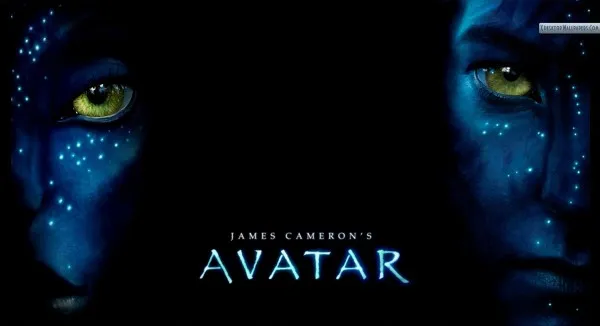
Avatar: How a Blue World Rebuilt Cinema in 3D
December 2009. A film about tall blue aliens became the most successful movie ever made and forced every theater to buy a 3D projector.
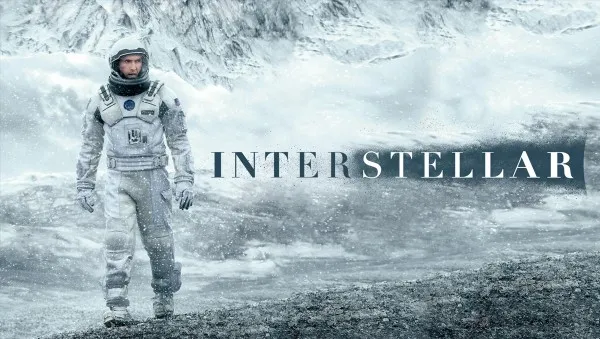
Interstellar: When Hollywood Called a Nobel Laureate
November 2014. A blockbuster about love, time, and black holes was built with equations signed off by a real physicist.