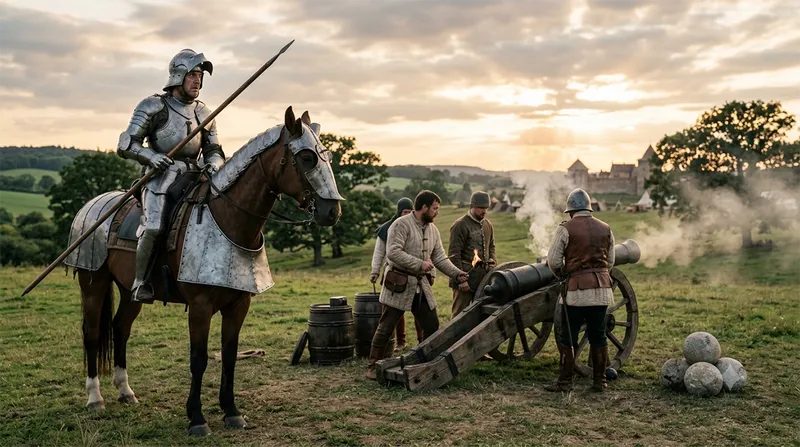
Gunpowder: The Powder That Ended the Knight
A Chinese alchemist hunting for eternal life mixed saltpetre, sulfur, and charcoal. He found something far more powerful and far more destructive.
WOW Score
In Tang-dynasty China, alchemists searching for an elixir of immortality instead stumbled on a volatile mixture: saltpetre, sulfur, and charcoal. The recipe for gunpowder was written down by the 9th century.
First used for fireworks and primitive bombs, it reached the battlefield within a few centuries and then, via the Silk Road, spread west to transform war forever.
Stone walls that had stood for a thousand years crumbled before cannon. The medieval world, built on castles and cavalry, was over.
"A peasant with a matchlock could now kill a knight who had trained for twenty years. Gunpowder made muscle and armor obsolete."
Gunpowder toppled castles, ended the age of cavaliers, and centralized power in the hands of states that could afford cannon. It reshaped warfare, politics, and empire from the Ming to the Mughals to the conquistadors and set the stage for the industrial and atomic ages.
The Full Story
An Accidental Discovery
Chinese texts such as the Zhenyuan miaodao yaolüe warn that mixing these substances produces smoke and flames the first recorded awareness of gunpowder. Early uses were theatrical: rockets, fire arrows, and noisy 'thunder-clap bombs' used against Mongol sieges.
The Spread West
Through Mongol conquests, trade, and the wars of the Islamic world, gunpowder technology moved westward. By the 13th and 14th centuries, Arabs and Europeans were making 'black powder' and casting bronze cannon. The secret was out, and irreversible.
The Fall of the Castle
Medieval Europe was a patchwork of fortresses. Cannon changed the arithmetic: a trebuchet might besiege a wall for months; a bombard could shatter it in days. As fortifications fell, decentralized feudal power gave way to centralized kingdoms that could fund artillery the birth of the gunpowder empire.
Conquest and Empire
Gunpowder decided continents. Ottoman cannon broke Constantinople's walls in 1453; Spanish arquebuses and steel decided the New World; Mughal and Safavid armies built empires on matchlock infantry. Where one side had guns and the other did not, the outcome was rarely in doubt.
The Long Shadow
Gunpowder began the long project of turning war into applied chemistry and engineering a line running straight to high explosives and the atomic bomb. The alchemist's mistake did not grant eternal life. It granted humanity the power to end far too many lives, far too quickly.
Related Turning Moments
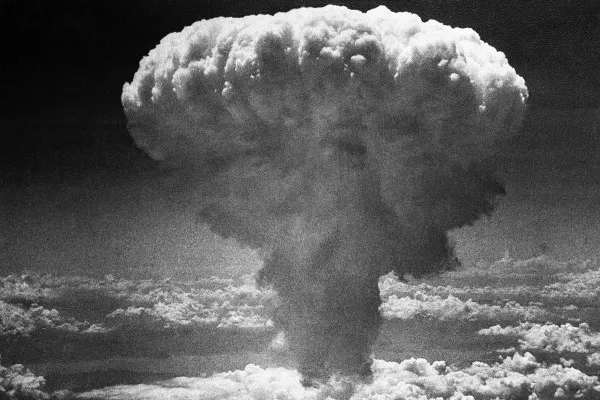
Hiroshima: The Dawn of the Nuclear Age
August 6, 1945. A single bomb erased a city in nine seconds and changed the meaning of war forever. Humanity now had the power to end itself.
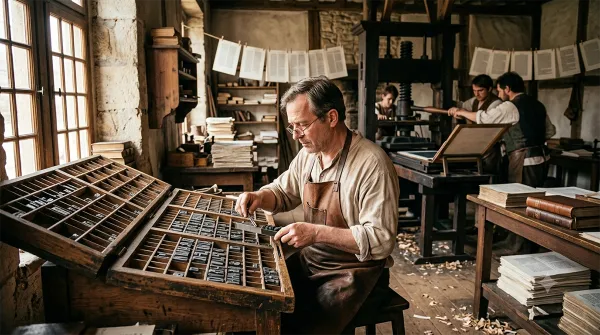
The Printing Press: How Movable Type Flooded the World with Ideas
In 1450, a single book took a monk months to copy. Then Johannes Gutenberg built a machine that could print thousands and the monopoly on knowledge shattered.
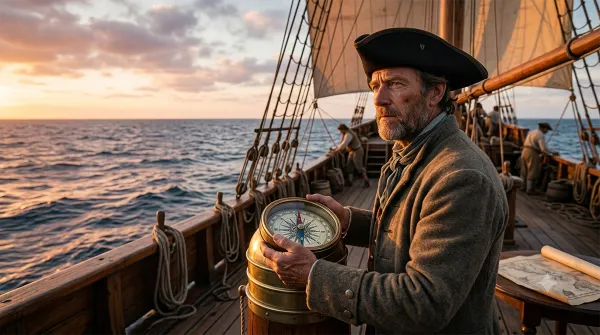
The Compass: The Needle That Showed Humans the Way
For most of history, travelers trusted the sun, the stars, and prayer. Then a floating lodestone needle pointed north and the world became mapable.