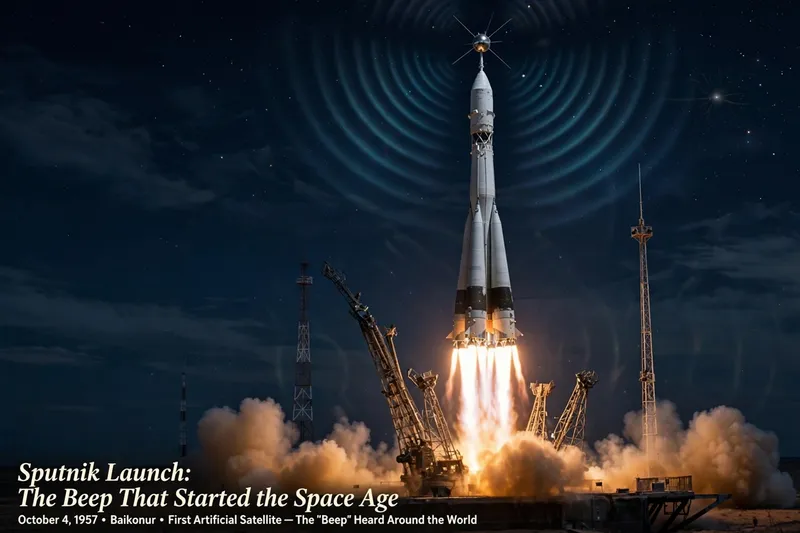
Sputnik Launch: The Beep That Started the Space Age
On 4 October 1957, a polished metal ball the size of a beach ball began circling Earth, beeping. It had no crew, no flag and it changed the 20th century overnight.
WOW Score
In 1957, the Soviet Union launched Sputnik 1, the first human-made object to orbit Earth. A 58-centimeter aluminium sphere with four antennas, it did little but circle and beep yet its signal was heard around the world.
To the United States, that beep was a thunderclap. It proved a rival could deliver a warhead anywhere on Earth, and it dragged humanity, kicking, into the Space Age.
"A single beep from orbit told every nation on Earth: the sky was no longer the limit and someone else had gotten there first."
Sputnik triggered the Space Race, the creation of NASA, the arms and satellite industries, and the modern internet's ancestor, ARPANET. It proved Earth was just one world in a reachable cosmos.
The Full Story
A Ball With a Radio
Sputnik ('fellow traveller' in Russian) weighed 83.6 kilograms and carried a simple radio transmitter. Its two frequencies were easy to detect, and amateur operators worldwide tuned in. The sight of a bright moving dot crossing the evening sky became proof that Earth had a new companion.
Shock in the West
American planners had assumed technological superiority. Sputnik suggested the USSR led in rockets and thus, potentially, in intercontinental missiles. The public panic was immediate and lasting, coined 'Sputnik moments' for generations to come.
NASA Is Born
The U.S. response was sweeping: in 1958 it created NASA, poured money into science education, and accelerated its own launches. The Space Race between superpowers was now a formal contest with the highest stakes imaginable.
More Than a Satellite
Sputnik's legacy is everywhere. The drive to communicate and navigate from orbit built the satellite economy weather, GPS, television, communications. The same networks that emerged from defense research seeded the internet. A beep in 1957 echoed into every smartphone.
The Sky Opened
Most of all, Sputnik made space a destination rather than a fantasy. Within a dozen years humans would stand on the Moon. It began with a metal ball and a radio but it ended the idea that humanity must stay planet-bound.
Related Turning Moments
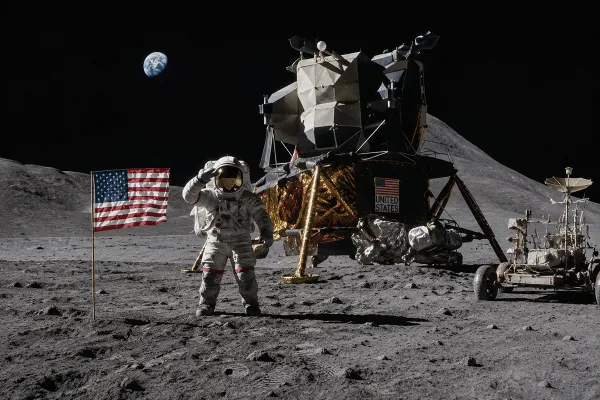
Apollo 11 Moon Landing: One Small Step, One Giant Leap
On 20 July 1969, half a billion people held their breath as a fuzzy black-and-white image showed a boot pressing into lunar dust. Humanity had left its home planet.
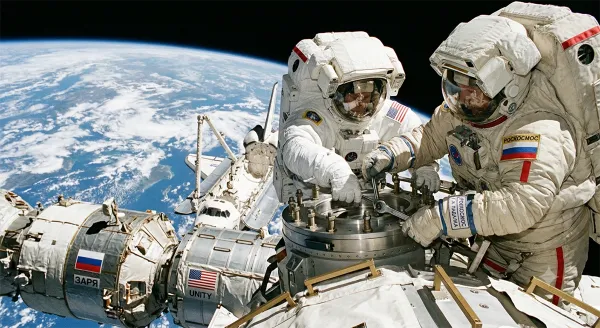
International Space Station Begins: A Lab Above the Nations
In 1998, pieces launched from rival superpowers met in orbit and were bolted together by hand. The cold War's enemies built a home in the sky.
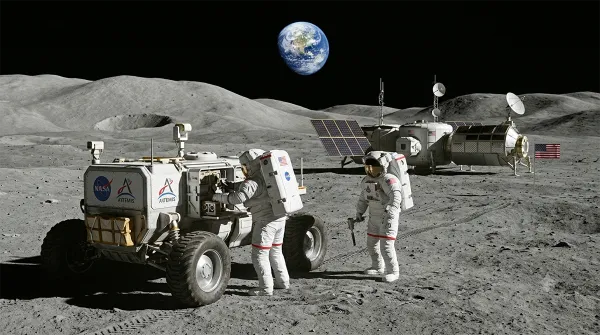
The Artemis Program: Returning to the Moon to Stay
More than half a century after Apollo, a new program aims not for a flag and footprints but a lasting presence and this time, the first woman and first person of color will walk the Moon.